
The Amazon can be saved — with concerted action inside and outside Brazil – Nature
Brazil’s Amazon rainforest is experiencing a significant decline in deforestation, reaching its lowest level in eight years according to CPG Click Petróleo e Gás. This trend suggests the Amazon can be saved — with concerted action inside and outside Brazil – Nature, provided that regional spikes and corporate supply chain pressures are managed through sustained international and domestic cooperation.
How much has Amazon deforestation actually decreased?
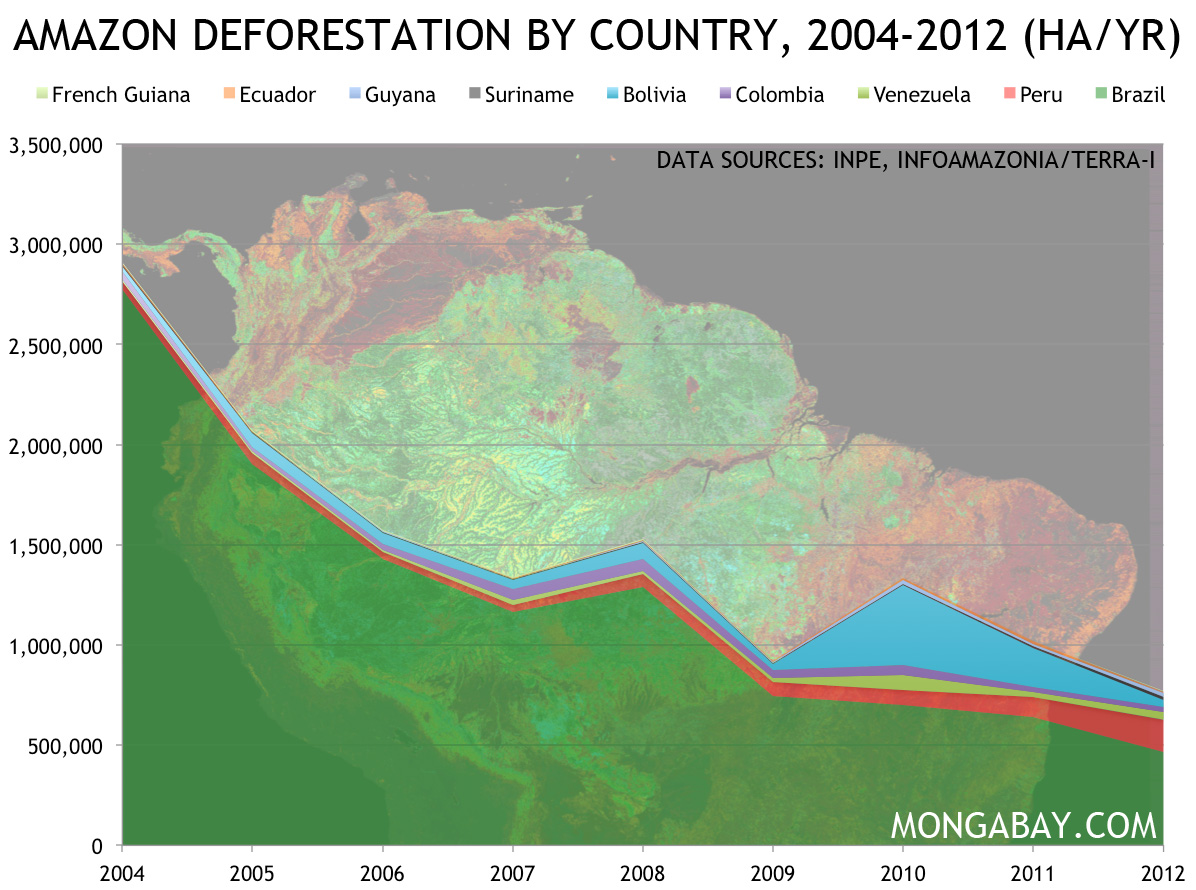
Deforestation in the Brazilian Amazon has dropped to levels not seen in nearly a decade. CPG Click Petróleo e Gás reports that the forest has reached its lowest level of deforestation in eight years. This decline represents a preservation of land equivalent to roughly 7,000 football fields, marking a shift away from the record-breaking forest loss reported in previous cycles.
However, different reporting outlets highlight slightly different benchmarks for this progress. While CPG Click Petróleo e Gás cites an eight-year low, Climate Action reports that deforestation has hit a six-year low. This discrepancy suggests that depending on the specific data set or timeframe used, the decline is consistently viewed as a multi-year trend of improvement.
Digital Journal notes that this easing of tropical forest loss follows a period of record-high destruction. The current downward trend is viewed by researchers as a critical window of opportunity to stabilize the biome before it reaches a point of no return.
| Source | Reported Deforestation Benchmark | Key Detail |
|---|---|---|
| CPG Click Petróleo e Gás | 8-Year Low | Preserved area equivalent to 7,000 football fields |
| Climate Action | 6-Year Low | Focus on corporate nature strategy implications |
| Digital Journal | Post-Record Year Ease | General decline in tropical forest loss |
Why are researchers still issuing alerts despite the decline?
The overall drop in deforestation does not hide localized crises. According to CPG Click Petróleo e Gás, a specific increase in deforestation recorded in March has raised alerts among environmental monitors. These isolated spikes suggest that illegal logging and land grabbing remain opportunistic and can surge quickly if enforcement wavers.

Regional disparities are also a primary concern. While some areas show significant improvement, the state of Roraima continues to be a point of contention. CPG Click Petróleo e Gás highlights that progress in Roraima is a critical metric for the overall health of the region, as this northern state often faces unique pressures from mining and agricultural expansion.
The volatility of these numbers indicates that the “saving” of the Amazon is not a completed event but an ongoing process. Researchers argue that a general downward trend can mask “hotspots” where the forest is still being cleared at an unsustainable rate.
- March Spikes: Isolated increases in clearing activity indicate that threats are not eliminated, only reduced.
- Roraima Focus: Specific regional progress is required to ensure the rest of the Amazon remains stable.
- Volatility: The risk of a return to record-year levels remains if political or economic incentives change.
What is the role of corporate nature strategy in forest preservation?
Private sector behavior is now viewed as a primary lever for forest protection. Climate Action reports that the current six-year low in deforestation has direct implications for corporate nature strategy. Companies are increasingly moving toward “nature-positive” models, where their supply chains are audited to ensure they do not contribute to forest loss.
The shift in corporate strategy is driven by both regulatory pressure and investor demand. As deforestation falls, companies have a clearer pathway to implement zero-deforestation commitments. When deforestation rates are skyrocketing, corporate pledges often appear performative; however, in a declining trend, these strategies can actually scale and produce measurable results.
This corporate shift involves several key mechanisms:
- Supply Chain Traceability: Using satellite monitoring to ensure beef, soy, and timber are not sourced from recently deforested land.
- Nature-Based Solutions: Investing in reforestation projects that provide carbon offsets and biodiversity gains.
- Financial Incentives: Tying executive compensation or loan interest rates to the achievement of specific nature-positive targets.
Experts suggest that for the Amazon to be saved, corporate strategies must move beyond “doing less harm” to actively contributing to the restoration of degraded lands.
How does “concerted action” inside and outside Brazil work?
The premise that the Amazon can be saved — with concerted action inside and outside Brazil – Nature emphasizes that no single entity can protect the biome alone. This requires a dual-track approach: domestic enforcement and international financial support.
Domestic Actions Inside Brazil
Inside Brazil, the focus is on the rule of law. This includes the deployment of environmental police to stop illegal mining and the use of remote sensing to identify clearing in real-time. According to reports from TRT World, the fall in deforestation is tied to Brazil’s renewed commitment to internal environmental protections and the crackdown on illegal land grabbing.
International Actions Outside Brazil
Outside Brazil, the effort focuses on economic levers. This includes the Amazon Fund, where developed nations provide financial compensation for the preservation of the forest. International trade agreements, such as those between the EU and Mercosur, often include clauses that tie trade benefits to the adherence of environmental standards.
“The preservation of the Amazon is not merely a Brazilian national interest but a global climate imperative, requiring a synergy of local enforcement and global funding.”
The interaction between these two forces creates a feedback loop. When Brazil demonstrates a commitment to reducing deforestation, international funding increases, which in turn provides the Brazilian government with more resources to enforce environmental laws.
What are the common misconceptions about Amazon recovery?
One frequent oversimplification is the belief that a decline in deforestation is the same as forest recovery. Digital Journal and other researchers clarify that “easing forest loss” is not the same as “reforestation.” The Amazon is currently in a state of reduced loss, meaning fewer trees are being cut down, but the forest is not necessarily growing back at the same rate.
Another misconception is that the Amazon is a monolithic entity. As noted by CPG Click Petróleo e Gás, the situation in Roraima can be vastly different from the situation in Pará or Amazonas. A national average can hide the fact that some regions are recovering while others are approaching a “tipping point”—the threshold where the forest can no longer generate its own rain and begins to transition into a dry savanna.
Finally, there is a belief that corporate pledges are sufficient. Climate Action suggests that while corporate nature strategy is vital, it must be backed by government regulation. Voluntary pledges often fail when commodity prices spike, making illegal deforestation more profitable than the “green” alternative.
How do current trends compare to previous record years?
The current decline is significant because it follows a period of extreme instability. Digital Journal reports that forest loss is easing after a record year. This suggests a “correction” phase where new policies are beginning to outweigh the drivers of destruction that peaked in previous administrations.
Comparing the current state to the record years reveals a shift in the drivers of deforestation. Previously, large-scale cattle ranching and soy farming were the primary drivers. While these remain factors, current alerts—such as those mentioned by CPG Click Petróleo e Gás regarding March spikes—often point to smaller, fragmented clearings associated with illegal mining and land speculation.
This change in patterns means that enforcement must evolve. Instead of focusing solely on large estates, authorities must now target smaller, more mobile groups of illegal operators who can move quickly across the forest.
For more information on the global impact of these trends, see our related explainer on global carbon sinks.
Frequently Asked Questions
Is the Amazon rainforest now fully protected?
No. While CPG Click Petróleo e Gás reports the lowest deforestation in eight years, the presence of isolated spikes in March and ongoing challenges in regions like Roraima show that the forest remains under threat. Protection is a continuous process, not a finished state.
Why does the “Nature” perspective emphasize action outside Brazil?
Because the drivers of deforestation are often global. International demand for beef, soy, and minerals creates the economic incentive for clearing land. Therefore, action “outside Brazil” involves changing consumer habits, implementing strict import laws, and providing financial aid to keep the forest standing.

What is a “corporate nature strategy”?
As detailed by Climate Action, a corporate nature strategy is a business plan that integrates the protection and restoration of nature into the company’s core operations. This includes ensuring supply chains are deforestation-free and investing in biodiversity.
What is the significance of the “7,000 football fields” figure?
This figure, provided by CPG Click Petróleo e Gás, is used to visualize the scale of land that was preserved compared to previous years. It helps translate abstract hectares into a concrete image of the area that avoided destruction.
Will the Amazon recover naturally if deforestation stops?
Stopping deforestation is the first step, but full recovery often requires active reforestation. Digital Journal notes that easing loss is a positive sign, but the biome’s ability to regenerate depends on how much of the original canopy remains to provide seeds and moisture.
The trajectory of the Amazon currently points toward a possible recovery, but the fragility of the progress remains evident. The disparity between the “eight-year low” and the “March alert” serves as a reminder that environmental stability in the tropics is easily disrupted. The success of this effort depends on whether the current alignment of corporate strategy, international funding, and Brazilian enforcement can be maintained over the long term, regardless of political shifts.
