
U.S. Added 172,000 Jobs in May, Even as Inflation Squeezes Consumers
The United States labor market continues to demonstrate surprising resilience, with the latest data revealing that the U.S. Added 172,000 jobs in May, even as inflation squeezes consumers. This growth represents a significant beat against economist expectations, signaling that the demand for labor remains robust despite a challenging macroeconomic environment characterized by rising costs of living.
While the headline figure suggests a booming job market, the reality for the average American worker is more complex. The juxtaposition of strong employment growth and persistent inflationary pressure creates a paradoxical economic landscape: more people are employed, yet the purchasing power of those paychecks is being eroded by the rising cost of essential goods and services.
This development brings a critical set of questions to the forefront for policymakers and workers alike. How can the labor market “blow past expectations” while consumers feel a tightening squeeze? And what does an unemployment rate of 4.3% mean for the long-term stability of the American economy?
Breaking Down the May Employment Data
The May employment report provides a snapshot of an economy that refuses to gradual down in the hiring department. The total increase of 172,000 payrolls is a clear indicator of strength, but a deeper dive into the composition of these jobs reveals where the growth is actually happening.
Private vs. Public Sector Growth
A key distinction in the May report is the divide between total payroll growth and private-sector hiring. While the overall economy added 172,000 roles, private employers were responsible for 122,000 of those additions. This gap suggests that a meaningful portion of May’s job growth was driven by government hiring or other non-private entities.
The fact that private employers added 122,000 roles indicates that businesses are still expanding their workforces, albeit at a different pace than the broader economy. When private sector growth remains positive, it generally suggests that corporate confidence in consumer demand remains intact, even if that demand is being strained by inflation.
| Metric | May Value | Context |
|---|---|---|
| Total Jobs Added | 172,000 | Exceeded market expectations |
| Private Sector Jobs | 122,000 | Primary driver of employment growth |
| Unemployment Rate | 4.3% | Holding steady |
The Unemployment Rate Paradox
The unemployment rate currently sits at 4.3%. In a vacuum, a rate of 4.3% is historically low, suggesting a tight labor market where employers must compete for a limited pool of available workers. However, “steady” unemployment does not always equate to “healthy” employment.
Economists often look at the unemployment rate alongside other metrics, such as labor force participation and underemployment. A steady rate can mask shifts in the quality of jobs being added—such as a rise in part-time work or “gig economy” roles—which may not provide the financial security needed to combat inflation.
The “Inflation Squeeze”: Why More Jobs Aren’t Solving the Crisis
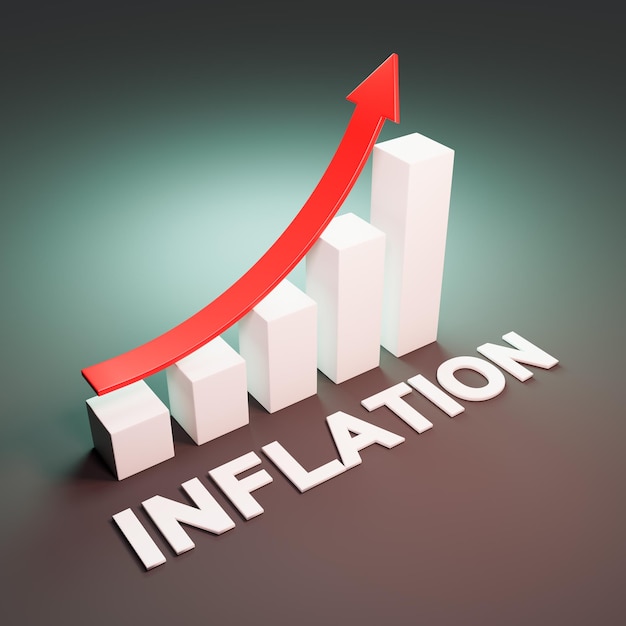
The core tension in the current economic narrative is that the U.S. Added 172,000 jobs in May, even as inflation squeezes consumers. To understand this, one must look at the difference between nominal wage growth and real wage growth.
“The labor market continues to blow past expectations, yet the lived experience of the consumer remains one of financial strain.”
Nominal vs. Real Wages
Nominal wages are the actual dollar amounts listed on a paycheck. When the job market is hot, nominal wages often rise because employers must offer more money to attract talent. However, real wages are those nominal wages adjusted for inflation.
- The Scenario: If a worker receives a 4% raise (nominal growth), but the cost of rent, groceries, and energy increases by 6% (inflation), that worker has effectively taken a 2% pay cut in terms of purchasing power.
- The Result: Even with 172,000 new jobs and steady unemployment, consumers feel “squeezed” because their earnings are not keeping pace with the cost of living.
The Cost-of-Living Pressure Points
Inflation does not hit all sectors equally. Consumers typically feel the squeeze most acutely in non-discretionary spending categories. When the prices of eggs, gasoline, and housing spike, it leaves less room in the budget for everything else, regardless of whether the person is employed or not. This explains why a “booming” jobs market can coexist with a feeling of economic precariousness among the general population.
For more information on how these trends affect daily spending, see our related explainer on consumer price indices.
Why the Labor Market is “Blowing Past Expectations”
Market analysts and economists frequently release projections before the official monthly jobs report. In May, the actual number of 172,000 jobs added significantly outperformed these forecasts. Several factors contribute to this unexpected strength.
Persistent Demand for Services
Following the shifts in consumer behavior over the last few years, there has been a sustained demand for services over goods. Industries such as healthcare, hospitality, and professional services often require more human labor than manufacturing or retail. If the service economy remains strong, payrolls will continue to rise even if the broader economy feels sluggish.
The Labor Shortage Lag
Many industries are still recovering from previous labor shortages. Companies that struggled to find staff in prior years may still be in a “catch-up” phase of hiring, filling roles that have been vacant for months. This creates a lagging effect where hiring remains high even as the economic environment becomes more restrictive.
Resilience of the American Worker
The steady unemployment rate of 4.3% indicates a workforce that is remaining active. Despite the inflation squeeze, workers are continuing to seek employment and transition between roles to find better pay, which keeps the hiring numbers elevated.

Implications for the Broader Economy
The fact that the U.S. Added 172,000 jobs in May, even as inflation squeezes consumers, creates a complex dilemma for economic management. Typically, a cooling labor market is seen as a way to curb inflation, while a hot labor market is a sign of economic health.
The Wage-Price Spiral Risk
One of the primary concerns for economists is the “wage-price spiral.” This occurs when:
- Inflation rises, increasing the cost of living.
- Workers demand higher wages to maintain their standard of living.
- Employers raise the prices of their goods and services to cover the higher wage costs.
- These price increases lead to further inflation, restarting the cycle.
With a labor market that “blows past expectations,” there is an increased risk that wage growth could fuel further inflation, making it harder to bring the cost of living back down.
Consumer Sentiment vs. Hard Data
There is currently a wide gap between “hard data” (the 172,000 jobs added) and “sentiment data” (how people feel about their finances). This divergence can lead to volatility in the markets. Investors may see the job numbers as a sign of strength, while consumer spending patterns may begin to shift as people cut back on discretionary purchases to afford essentials.
Common Misconceptions About Job Growth and Inflation
When headlines report that the labor market is booming, it is easy to assume that the economy is in a state of overall prosperity. However, this is an oversimplification.

Misconception 1: “More jobs mean everyone is doing better.”
The Reality: Job quantity does not equal financial quality. If the 172,000 jobs added are primarily low-wage or part-time positions, they do not provide the same economic lift as high-paying full-time roles. If inflation is high, even a new job may not be enough to pull a household out of financial strain.
Misconception 2: “A low unemployment rate means there is no economic distress.”
The Reality: The unemployment rate only measures those who are actively looking for work. It does not account for “discouraged workers” who have given up the search, nor does it account for those who are working in jobs far below their skill level just to survive the inflation squeeze.
Misconception 3: “Inflation is caused only by government spending.”
The Reality: While monetary policy plays a role, inflation is often a result of a complex mix of supply chain disruptions, increased demand, and labor market tightness. A very strong job market can actually contribute to inflation by driving up the cost of labor.
What to Monitor in the Coming Months
As we move past the May data, several key indicators will determine if the current trend is sustainable or a precursor to a larger economic shift.
- Real Wage Growth: Watch for whether wage increases begin to outpace inflation. If real wages turn positive, the “squeeze” on consumers will ease.
- Private Sector Trends: Keep an eye on the 122,000 private-sector figure. If this number begins to drop while total payrolls remain high, it suggests that government spending is the only thing propping up the labor market.
- The 4.3% Threshold: If the unemployment rate begins to climb steadily from 4.3%, it may indicate that the labor market is finally cooling, which could potentially slow down inflation but increase financial hardship for individuals.
For a deeper look at how these metrics are calculated, you may find our guide to economic indicators helpful.
Frequently Asked Questions
How can the U.S. Add 172,000 jobs if people feel the economy is struggling?
This is due to the difference between employment levels and purchasing power. While more people are finding work (employment), the cost of basic necessities like food and housing is rising faster than most people’s paychecks (inflation). You can have a strong job market and a struggling consumer at the same time.

What is the significance of the 4.3% unemployment rate?
A 4.3% unemployment rate is generally considered low, indicating that most people who want a job can find one. However, it is a “steady” figure, meaning it isn’t drastically improving or worsening. For many, the issue isn’t finding a job, but finding a job that pays enough to beat inflation.
Why is there a difference between total jobs added and private employer jobs added?
Total payrolls include every single job added across the entire economy, including government roles (federal, state, and local). Private employer jobs only count roles in businesses. In May, the total was 172,000, but private roles were 122,000, meaning 50,000 of the new jobs were in the public sector.
What does it mean when a jobs report “blows past expectations”?
Before the official government report is released, economists and financial analysts predict how many jobs will be added based on various data points. When the actual number (172,000) is significantly higher than those predictions, it is said to have “blown past expectations.” This often surprises the stock market and can influence interest rate decisions.
Will more job growth eventually stop inflation?
Not necessarily. In some cases, excessive job growth can actually increase inflation. When employers struggle to find workers, they raise wages to attract them. To maintain their profit margins, those employers then raise the prices of their products, which contributes to the overall inflation that squeezes consumers.
