
New Exchange of Fire with Iran Tests the Fragile Ceasefire: US and Regional Allies Face Escalation
The United States and Iran have engaged in a new exchange of strikes within the Gulf, a development that directly challenges a fragile ceasefire between the two nations. This latest confrontation involved the interception of Iranian missiles targeting the Strait of Hormuz and reported attacks on Bahrain and Kuwait, which observers have characterized as a dangerous escalation of the ongoing conflict.
What Happened During the Latest US-Iran Clashes?
According to reports from the BBC and 1News, the United States and Iran have exchanged strikes in the Gulf region. This military activity represents a significant breach of the existing, albeit unstable, ceasefire intended to prevent a full-scale war.
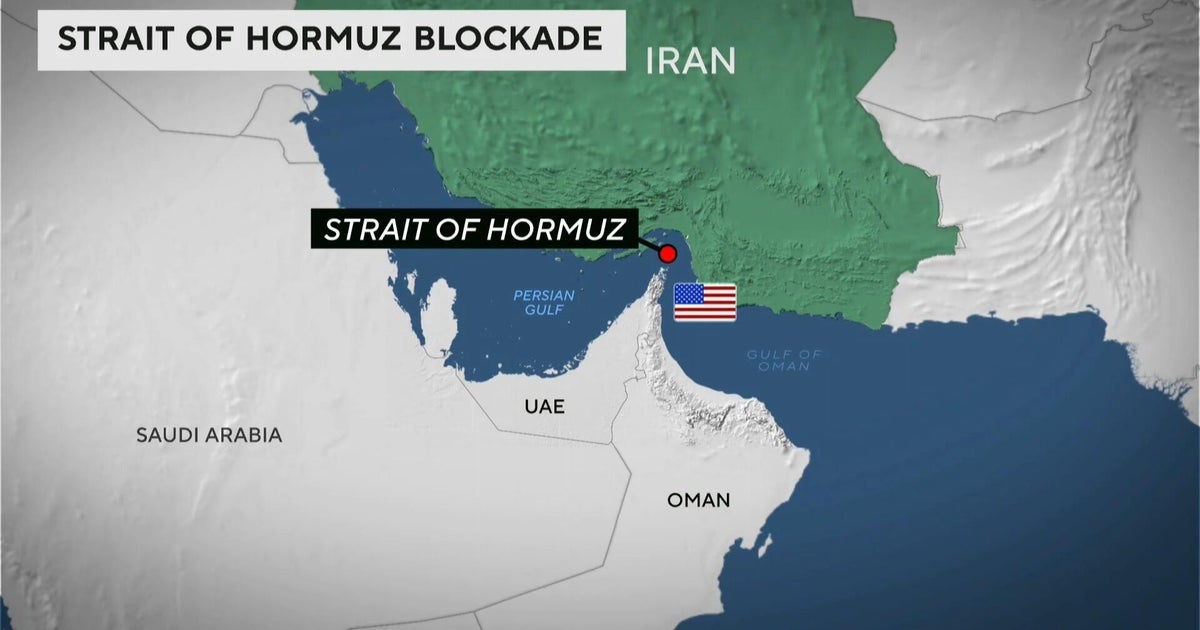
The US military has confirmed tactical responses to Iranian aggression. Specifically, the US military stated that it successfully shot down Iranian missiles that were launched toward the Strait of Hormuz, according to Stuff. This strategic waterway is a critical focal point for the current military tension, as any disruption in this area has immediate global implications.
While the US focused on missile defense, the conflict expanded beyond a bilateral clash. The NZ Herald reports that Iranian attacks were also directed at Bahrain and Kuwait. These regional strikes have been explicitly labeled as a “dangerous escalation” of the war, suggesting that the conflict is no longer confined to direct US-Iran engagement but is now impacting other Gulf sovereign states.
Why the Current Ceasefire is Considered Fragile
The term “fragile ceasefire” appears across multiple reports, including those from 1News and the BBC, indicating that the peace agreement was precarious even before the most recent exchange of fire. A ceasefire is typically deemed fragile when there is a lack of mutual trust and a high frequency of “gray zone” activities—actions that stop short of full-scale war but continue to provoke the adversary.
The current instability is highlighted by the contrasting narratives provided by the combatants:
- The US Position: Focuses on defensive capabilities and the neutralization of threats, as seen in the interception of missiles near the Strait of Hormuz.
- The Iranian Position: Focuses on the perceived instability of US foreign policy. According to Al Jazeera, Tehran has asserted that the United States “lacks will” for stability following these clashes.
This disconnect in perspective—where one side views its actions as defensive and the other views the opponent as lacking the resolve for peace—creates a volatile environment where a single miscalculation could lead to a broader conflict.
The Strategic Impact of Attacks on Bahrain and Kuwait
The expansion of hostilities to include Bahrain and Kuwait marks a shift in the conflict’s geography. According to the NZ Herald, these attacks are viewed as a “dangerous escalation.” When a conflict spreads to third-party nations, the risk of a regional contagion increases, potentially drawing in more allies and increasing the scale of military mobilization.
The involvement of these nations suggests a strategy of regional pressure. By targeting Bahrain and Kuwait, the conflict moves from a direct superpower confrontation to a broader regional struggle, testing the security umbrellas and defense treaties in place across the Gulf.
| Reporting Outlet | Key Focus of Report | Primary Claim/Observation |
|---|---|---|
| BBC / 1News | Ceasefire Status | Exchange of strikes tests a “fragile ceasefire.” |
| Stuff | Military Action | US military shot down Iranian missiles toward Strait of Hormuz. |
| NZ Herald | Regional Scope | Attacks on Bahrain and Kuwait are a “dangerous escalation.” |
| Al Jazeera | Diplomatic Stance | Tehran claims US “lacks will” for stability. |
Analysis: The Geopolitical Tension in the Strait of Hormuz
The US military’s decision to intercept missiles launched toward the Strait of Hormuz is a critical detail. This location is one of the most sensitive maritime chokepoints in the world. Any military activity here risks interrupting global trade and energy supplies.
“US military says it shot down Iranian missiles launched toward Strait of Hormuz.” — Stuff
By successfully intercepting these missiles, the US demonstrates its technical capability to maintain the flow of traffic through the Strait, but the very fact that missiles were launched indicates that Iran is willing to risk the stability of this corridor to send a political or military message.
This tactical exchange serves as a physical manifestation of the diplomatic friction reported by Al Jazeera. If Tehran believes the US “lacks will” for stability, the launch of missiles may be an attempt to probe US defenses or force a change in diplomatic positioning.
Key Points of the Current Escalation
- Direct Combat: US and Iran have exchanged strikes, directly violating the spirit of the ceasefire.
- Tactical Interception: The US has utilized missile defense systems to protect the Strait of Hormuz.
- Regional Expansion: Bahrain and Kuwait have become targets, widening the conflict’s footprint.
- Diplomatic Rhetoric: Tehran is questioning the US commitment to regional stability.
For those following the broader regional security trends, this event may be linked to a related explainer on Gulf security and the complexities of maritime law in contested waters.
Comparing the Framing of the Conflict
Different news outlets have highlighted different dimensions of this crisis, providing a multi-layered view of the event. The BBC and 1News frame the story through the lens of the ceasefire, emphasizing the fragility of the peace agreement. This framing suggests that the primary concern is the collapse of a diplomatic framework.
In contrast, the NZ Herald focuses on the regional escalation. By highlighting the attacks on Bahrain and Kuwait, the NZ Herald frames the story as a growing war rather than just a failed ceasefire. This shifts the narrative from one of “broken promises” to one of “expanding violence.”
Meanwhile, Al Jazeera provides the political perspective from Tehran. By quoting the claim that the US “lacks will,” Al Jazeera highlights the psychological warfare occurring alongside the kinetic strikes. This suggests that the missiles and strikes are not just military tools, but signals intended to influence the perceived resolve of the US government.
Finally, Stuff provides the tactical detail. The specific mention of shooting down missiles toward the Strait of Hormuz grounds the story in military reality, moving beyond rhetoric to describe the actual hardware and locations involved in the clash.
This convergence of reports suggests a complex crisis where diplomatic failure, regional aggression, and tactical military responses are happening simultaneously. Readers interested in the history of these tensions may find a related analysis on international ceasefires helpful in understanding why these agreements often fail in high-tension zones.
Frequently Asked Questions
What is the current status of the ceasefire between the US and Iran?
The ceasefire is described as “fragile” by multiple sources, including 1News and the BBC. Recent exchanges of fire and strikes in the Gulf indicate that the agreement is under severe pressure and may be failing to prevent military conflict.
Which countries were affected by the recent Iranian attacks?
According to the NZ Herald, Iran launched attacks on Bahrain and Kuwait, in addition to the exchange of strikes with the United States. These actions have been characterized as a “dangerous escalation” of the war.
What happened at the Strait of Hormuz?
The US military reported that it shot down Iranian missiles that were launched toward the Strait of Hormuz, according to reports from Stuff.
How has Iran responded to the clashes?
Tehran has expressed skepticism regarding the United States’ commitment to peace. As reported by Al Jazeera, Iran claims that the US “lacks will” for stability in the region following the clashes.
Why are the attacks on Bahrain and Kuwait significant?
These attacks are significant because they expand the conflict beyond a bilateral dispute between the US and Iran, drawing other Gulf nations into the violence and increasing the risk of a wider regional war, as noted by the NZ Herald.
