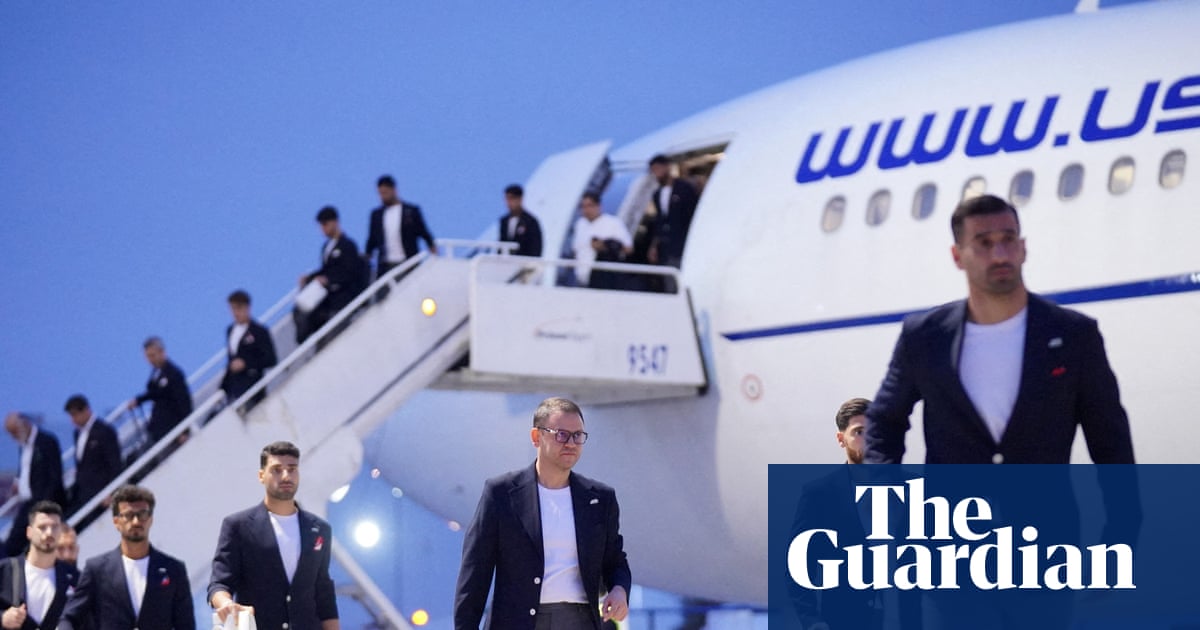
‘We are upset’: Iran players hit out at US visa delay after World Cup arrival in Mexico
The Iranian national soccer team has arrived in Mexico to begin critical training preparations for the World Cup, but the squad’s focus is being clouded by significant administrative hurdles. Players and staff have expressed deep frustration over U.S. visa delays and the denial of visas for key officials, sparking concerns over the team’s logistical stability and mental preparation.
Why are Iranian players facing US visa delays?
The arrival of the Iranian squad in Mexico was intended to be a period of intense tactical preparation. Instead, the atmosphere has been marred by what has been described as “nightmare” visa rules. According to reports from irishstar.com, the players are grappling with stringent U.S. visa regulations and “terrorist” warnings that have complicated their ability to secure necessary travel documents.
The friction is not limited to the athletes. ESPN reports that Iran has explicitly stated the U.S. has denied visas to key World Cup officials. This creates a precarious situation where the technical and administrative support system for the players may be incomplete, potentially leaving the team without essential personnel during the tournament’s most critical phases.
The core of the issue lies in the intersection of sports and international diplomacy. While the World Cup is intended to be a neutral sporting event, the visa application process remains subject to the national security laws and diplomatic relations of the host and transit countries. For the Iranian delegation, this has manifested as a series of delays that have left players feeling targeted and unsettled.
“We are upset,” the players have indicated, reflecting a collective sense of frustration that their professional ambitions are being hindered by political administrative barriers.
How the Mexico training camp fits into the World Cup strategy
Despite the visa turmoil, the team has successfully reached Mexico. As reported by NBC News, the Iranian soccer team is utilizing Mexico as a base for training ahead of the World Cup. Choosing a location like Mexico allows the team to acclimate to similar time zones and climates that may mirror those of the tournament venues, providing a strategic advantage in physical conditioning.
Training camps are vital for several reasons:
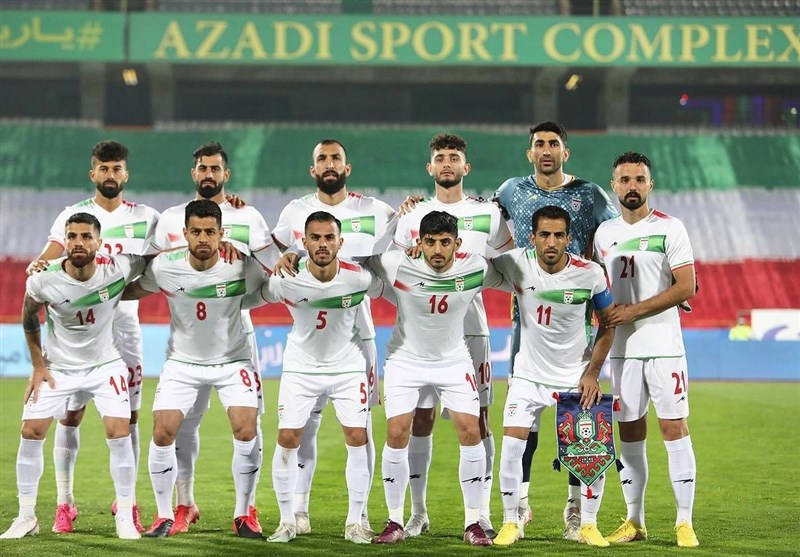
- Tactical Cohesion: Allowing the squad to move beyond individual club form and develop a unified national team strategy.
- Environmental Acclimatization: Adjusting to altitude, humidity, and temperature to prevent premature fatigue during matches.
- Psychological Isolation: Creating a “bubble” where players can focus entirely on the game, away from the distractions of their home environment.
However, the “nightmare” visa situation described by irishstar.com threatens to puncture this bubble. When players are preoccupied with whether their officials can join them or if their own travel documents are secure, the psychological benefit of a secluded training camp is diminished.
| Issue | Reported Impact | Source |
|---|---|---|
| Player Visas | Delays and “nightmare” rules | irishstar.com |
| Official Visas | Explicit denials for key staff | ESPN |
| Team Location | Arrived in Mexico for training | NBC News |
| Player Sentiment | Expressing being “upset” | The Guardian |
The implications of visa denials for World Cup officials
The denial of visas for key officials is perhaps the most damaging aspect of the current crisis. In modern international soccer, a head coach is only one part of a larger machine. The “key officials” mentioned by ESPN typically include medical staff, analysts, and logistical coordinators. If these individuals are unable to travel, the team’s performance can suffer in several ways.
Medical and Physiotherapy Gaps
Elite athletes require constant monitoring. The absence of a primary team doctor or lead physiotherapist can lead to improper injury management. If a player suffers a knock during the group stages, the lack of a trusted medical official could mean the difference between a quick recovery and a tournament-ending injury.
Tactical and Analytical Deficits
Modern soccer relies heavily on data. Performance analysts provide real-time feedback and opposition scouting. If these officials are denied entry, the coaching staff is forced to operate with less information, potentially putting them at a disadvantage against opponents who have their full technical staff present.
Administrative Chaos
Logistics—ranging from hotel coordination to scheduling training pitches—fall on the officials. When these roles are vacant, the burden often shifts to the players or the coaching staff, diverting their attention away from the pitch and toward administrative troubleshooting.
For more information on how international sports bodies handle these disputes, you may find a related explainer on FIFA travel regulations useful.
Analyzing the “terrorist” warning and its impact on athletes
The mention of “terrorist” warnings in relation to the visa process, as noted by irishstar.com, adds a layer of psychological stress that goes beyond simple paperwork. For an athlete, being categorized or screened under security frameworks associated with terrorism is a significant emotional burden.
This framing often leads to a “nightmare” experience at embassies and border crossings, where players may face prolonged interrogations or invasive screening. This environment is the antithesis of the mental state required for peak athletic performance, which demands confidence, calm, and focus.
The contrast in reporting is notable: while some outlets focus on the logistical delay, others highlight the specific nature of the security warnings. This suggests that the Iranian team is not merely facing bureaucratic inefficiency but is caught in a complex security apparatus that views their nationality through a lens of risk rather than sport.
Comparing the reported reactions across media outlets
The narrative of the Iranian team’s struggle is framed differently across various reports, providing a broader picture of the crisis. The Guardian emphasizes the emotional state of the players, using the phrase “We are upset” to highlight the human cost of the delays. This focuses the story on the athletes’ perspective and their feeling of unfair treatment.
In contrast, ESPN takes a more institutional approach, focusing on the denial of visas to officials. This frames the issue as a systemic failure or a diplomatic clash between the Iranian federation and U.S. authorities. Meanwhile, NBC News provides the factual anchor that the team has at least reached Mexico, suggesting that while the U.S. visa process is a hurdle, it has not yet completely derailed the team’s ability to prepare.
The irishstar.com report provides the most specific detail regarding the *nature* of the hurdles, citing “nightmare” rules and security warnings. This adds a layer of severity to the story, suggesting that the “upset” felt by the players is rooted in a process that is intentionally rigorous or exclusionary.
How geopolitical tensions bleed into the sporting arena
The situation involving the Iranian national team is a classic example of “sports diplomacy” failing. Ideally, the World Cup serves as a bridge between nations, but the visa process is a sovereign right of the state. When a government applies strict security screenings to a specific nationality, the athletes become the face of a geopolitical conflict they did not create.
This is not the first time sports have been used as a tool—or a victim—of diplomatic pressure. However, the timing of these delays is particularly cruel. The window for World Cup preparation is narrow. Every day spent worrying about a visa is a day lost in tactical drilling or physical recovery.
The impact of these delays can be categorized as follows:
- Logistical: Changes in travel itineraries and the potential absence of staff.
- Psychological: Increased anxiety and a feeling of being unwelcome or targeted.
- Competitive: A potential drop in performance due to diminished preparation and mental fatigue.
Common misconceptions about athlete visas
A common misconception is that professional athletes traveling for a FIFA-sanctioned event receive “automatic” or “diplomatic” visas. In reality, while FIFA may provide supporting documentation and “letters of invitation,” the final decision rests entirely with the consulate of the country being entered.
Another misconception is that a training camp in a third country (like Mexico) bypasses the need for visas if the tournament is hosted elsewhere or involves transit through a specific nation. As the current situation shows, the Iranian team’s arrival in Mexico does not solve their U.S. visa issues; it merely provides a temporary sanctuary for training while the administrative battle continues.
Finally, some believe that the “upset” of the players is merely a complaint about paperwork. However, when reports mention “terrorist” warnings and the denial of “key officials,” it becomes clear that the issue is not about the amount of paperwork, but the criteria being used to judge the applicants.
Frequently Asked Questions
Why are Iran’s World Cup players upset?
The players are upset due to significant delays in obtaining U.S. visas and the implementation of “nightmare” visa rules. This stress is compounded by the fact that key officials accompanying the team have had their visa applications denied.
Where is the Iranian soccer team currently training?
According to reports from NBC News, the Iranian national team has arrived in Mexico to conduct their training camp in preparation for the World Cup.
Who else besides the players is affected by the visa issues?
ESPN reports that key World Cup officials have been denied visas by the U.S., which could leave the team without essential technical, medical, or administrative support.
What specific challenges were mentioned regarding the visa process?
Reports from irishstar.com mention “nightmare” visa rules and the presence of “terrorist” warnings, which have complicated the application process for the Iranian delegation.
Does the training camp in Mexico solve the visa problem?
No. While Mexico provides a location for the team to train, the U.S. visa delays and denials remain an unresolved issue that continues to cause distress for the players and staff.
As the tournament approaches, the focus will remain on whether the U.S. authorities grant the pending visas or if the Iranian team will be forced to compete with a depleted support staff. The resolution of these diplomatic hurdles will likely play a significant role in the team’s overall readiness and mental state heading into their opening matches.
