
West Asia war LIVE: Would not unfreeze Iran’s assets ahead before deal is done, Trump says – The Hindu
President Trump has explicitly stated that the United States will not unfreeze Iranian assets or lift economic sanctions until a comprehensive and final peace agreement is reached with Tehran. While describing current negotiations as “going quite well,” the President indicated that Iran’s refusal to finalize a deal stems from the fact that “they’re strong, they’re proud.”
Why President Trump is Refusing to Unfreeze Iranian Assets Upfront
The central point of contention in the current diplomatic standoff is the timing of financial relief. According to reports from The Indian Express, President Trump has rejected the notion of unfreezing Iranian assets or lifting sanctions as a preliminary gesture or an upfront payment to incentivize a deal. Instead, the administration is maintaining a strict “deal first” policy.
This approach signals a shift in leverage. By keeping assets frozen, the U.S. maintains a tangible economic tool that can be used to ensure full compliance with the terms of any eventual peace agreement. In the context of the West Asia war, these frozen assets represent a significant portion of Iran’s available capital, making their release a high-stakes bargaining chip.
The administration’s logic appears to be rooted in the belief that premature concessions would diminish the incentive for Tehran to make the necessary compromises to end the conflict. By insisting that the deal be fully signed and ratified before any financial relief is granted, the U.S. is attempting to eliminate the risk of “salami slicing,” where a counterpart gains incremental benefits without delivering on the primary objective.
| Action Item | Current U.S. Position | Requirement for Change |
|---|---|---|
| Unfreezing Assets | Rejected/Blocked | Finalized Peace Agreement |
| Lifting Sanctions | Maintained | Completed Deal Terms |
| Diplomatic Talks | Ongoing (“Going quite well”) | Mutual Agreement on Terms |
The ‘Strong and Proud’ Dynamic: Understanding the Diplomatic Deadlock
A recurring theme in recent statements is the President’s characterization of the Iranian leadership. According to NBC News and The Times of India, Trump attributed the lack of a finalized agreement to the nature of the Iranian government, stating, “they’re strong, they’re proud.”
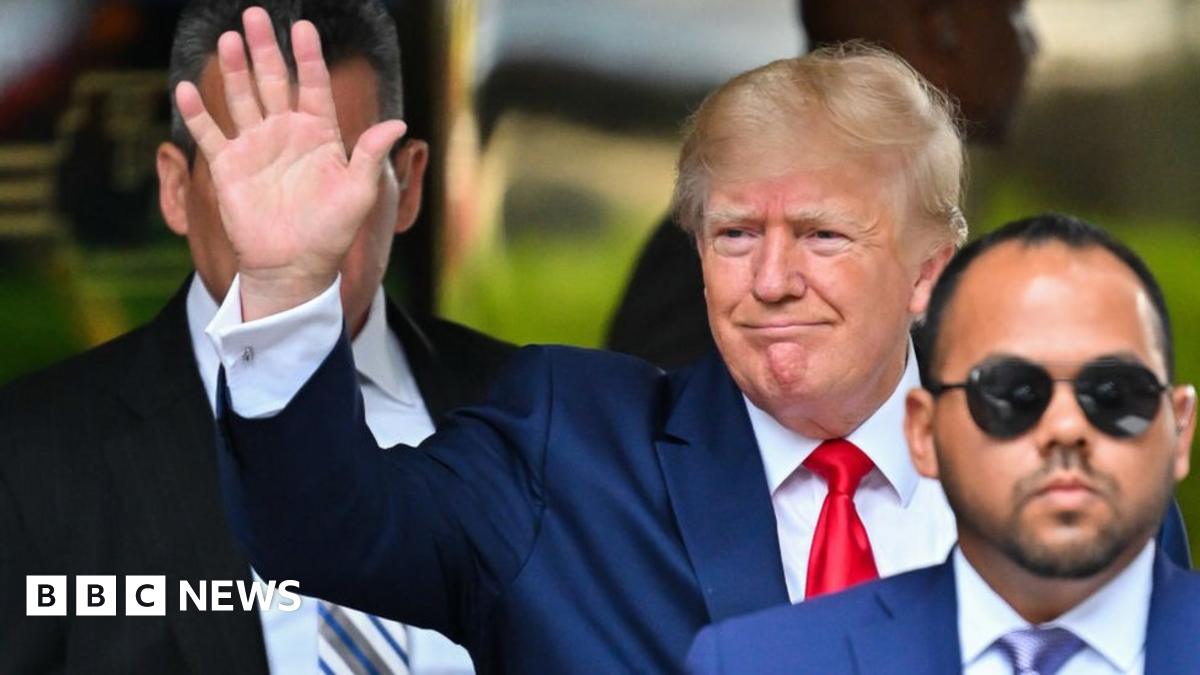
This phrasing suggests a complex psychological layer to the negotiations. By framing Iran’s hesitation as a matter of “pride” and “strength,” the President is acknowledging that the deadlock is not merely about technical terms or dollar amounts, but about the perceived status and sovereignty of the Iranian state.
From a negotiation standpoint, this framing serves two purposes:
- Validation: By calling them “strong,” the President may be employing a tactic to avoid backing the opponent into a corner where they feel the only way to save face is to reject the deal entirely.
- Justification: It explains to the American public and the international community why a deal hasn’t been reached yet, despite claims that the talks are progressing positively.
This tension between “pride” and “pragmatism” is often where high-stakes international diplomacy stalls. The U.S. is essentially waiting for the cost of the regional conflict to outweigh the perceived value of maintaining a “proud” stance of non-compliance.
Downplaying the Conflict: Is the West Asia War ‘Practice’?
In a move that has raised eyebrows among regional analysts, President Trump has reportedly downplayed the severity of the regional conflict. According to ANI News, the President characterized the ongoing tensions and conflict in the region as “practice.”
This characterization is a stark departure from the typical rhetoric used to describe active warfare. Calling a conflict “practice” suggests a few possible interpretations of the administration’s strategy:
First, it may be an attempt to project confidence and minimize panic within global markets. By framing the violence as something less than a total war, the administration may be trying to prevent a spike in oil prices or a broader economic shock.
Second, it could imply that the U.S. views the current military exchanges as a series of calibrated signals—essentially a “war of nerves”—where both sides are testing each other’s capabilities and resolve before sitting down for the final negotiation. In this view, the “practice” is a way of establishing the boundaries of what each side is willing to endure.
However, this framing risks ignoring the immediate humanitarian and geopolitical costs of the West Asia war. While the President claims that talks are “going quite well,” the reality on the ground continues to be defined by volatility.
The Strategic Implications of the Asset Freeze
To understand why the “West Asia war LIVE: Would not unfreeze Iran’s assets ahead before deal is done, Trump says – The Hindu” headline is so critical, one must look at the economic architecture of sanctions. Frozen assets are not merely numbers on a ledger; they are the lifeblood of a state’s ability to engage in international trade and stabilize its currency.
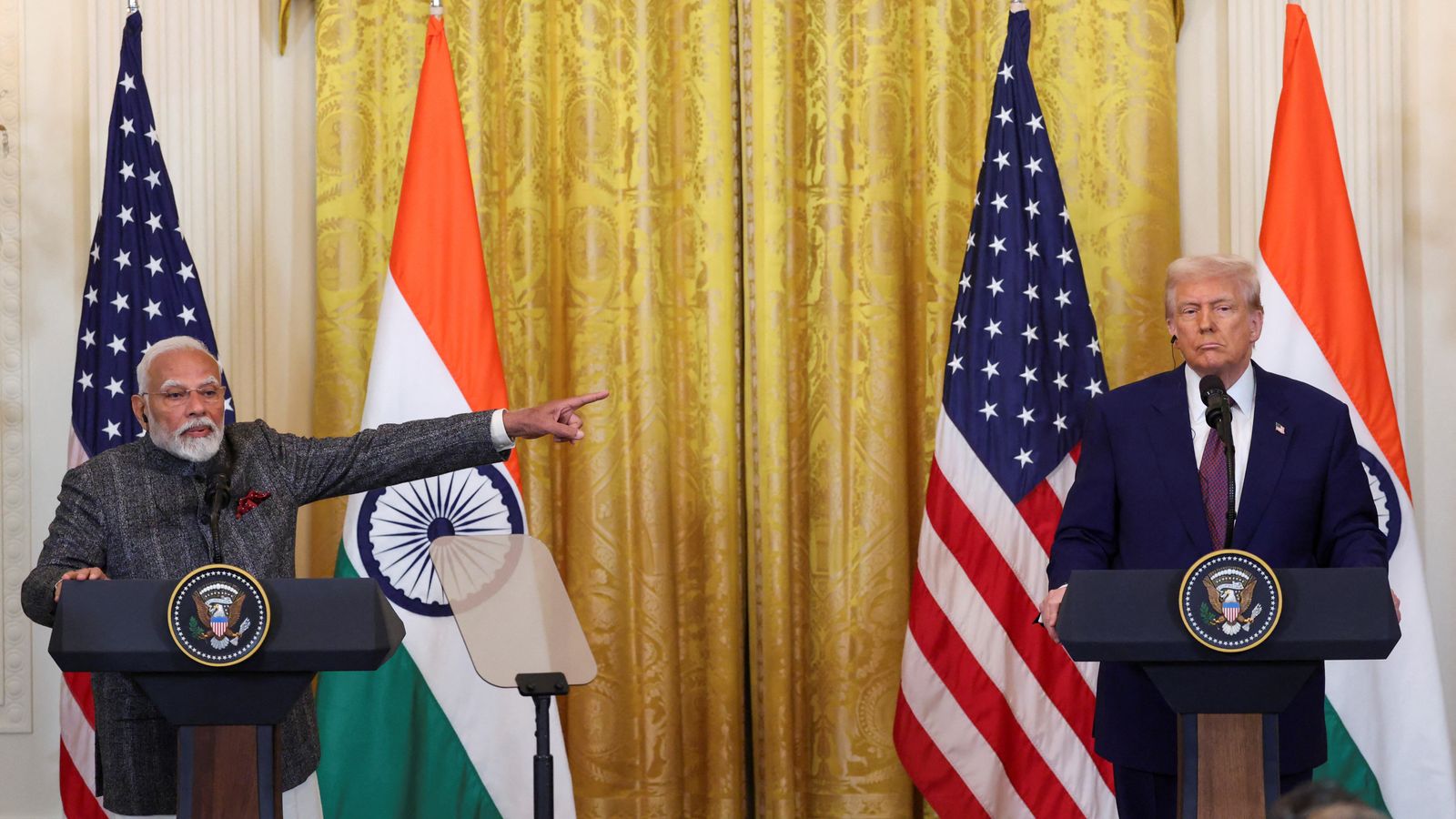
“Trump rejects unfreezing Iranian assets, or lifting sanctions upfront as part of deal.” — The Indian Express
When the U.S. freezes assets, it effectively locks those funds in foreign banks, preventing the target country from accessing its own money. For Iran, these funds are essential for importing goods, paying for infrastructure, and maintaining internal stability. By refusing to release them until the very end of the process, the U.S. is using economic attrition as a primary tool of war.
The Risk of Prolonged Deadlock
While the “deal first” approach provides maximum leverage, it also carries significant risks. If Iran perceives the U.S. demands as too steep, or if the “pride” mentioned by the President becomes an insurmountable barrier, the deadlock could lead to an escalation of the “practice” conflict into a full-scale regional war.
Furthermore, other global powers may view the refusal to offer “good faith” concessions as a sign of rigidity, potentially pushing Tehran to seek alternative alliances or unconventional methods of breaking the sanctions regime.
Potential Internal Pressures in Tehran
Conversely, the continued freeze on assets puts immense pressure on the Iranian domestic economy. As the conflict continues, the gap between the government’s “proud” public stance and the economic reality of its citizens may widen. The U.S. strategy appears to be a bet that internal economic pressure will eventually force the Iranian leadership to prioritize financial survival over ideological pride.
Comparing Media Narratives on the Negotiation Status
Different news outlets have highlighted different facets of the President’s comments, revealing a nuanced picture of the current diplomatic climate.
- The Focus on Leverage: The Indian Express and The Hindu emphasize the hardline stance on assets and sanctions, framing the story as a struggle over economic control and the sequencing of the deal.
- The Focus on Psychology: NBC News and The Times of India lean into the “strong and proud” quote, suggesting that the barrier to peace is as much about identity and image as it is about policy.
- The Focus on Conflict Framing: ANI News highlights the “practice” comment, bringing attention to the President’s attempt to diminish the perceived gravity of the regional war.
When synthesized, these reports show a President who is simultaneously optimistic about the progress of talks (“going quite well”) but unwilling to yield any economic ground until the final signature is on the paper.
For those following the related explainer on international sanctions, this is a classic example of “maximum pressure” diplomacy. The goal is to make the cost of the status quo so high that the opponent views the deal not as a concession, but as a necessary escape.
What to Monitor in the Coming Weeks
As the situation evolves, several key indicators will determine whether the “going quite well” assessment by the President translates into a tangible peace agreement.
- Asset Movement: Any signal that the U.S. is preparing the legal framework to release funds would indicate a deal is imminent.
- Rhetorical Shifts: A move away from describing the conflict as “practice” toward acknowledging it as a crisis could signal a change in the U.S. strategy or an escalation in the war.
- Iranian Response: Whether Tehran acknowledges the “strong and proud” framing or rejects it will indicate if the President’s psychological approach is working.
The intersection of economic warfare and diplomatic theater remains the defining feature of this conflict. The refusal to unfreeze assets is the anchor of the U.S. position, and until that anchor is lifted, the “West Asia war” remains in a state of precarious suspension.
Frequently Asked Questions
Why won’t President Trump unfreeze Iranian assets now?
According to reports from The Indian Express and The Hindu, President Trump believes that unfreezing assets or lifting sanctions upfront would remove the incentive for Iran to finalize a peace deal. He is insisting that a final agreement must be completed and signed before any financial relief is provided.
How does President Trump describe the current state of talks with Iran?
Per ANI News, the President has claimed that the discussions are “going quite well,” despite the fact that a final agreement has not yet been reached.
What did the President say about why Iran hasn’t agreed to a deal?
As reported by NBC News and The Times of India, President Trump stated that Iran has not yet agreed to a deal because “they’re strong, they’re proud.”
What does “practice” mean in the context of the West Asia war?
According to ANI News, President Trump used the word “practice” to downplay the regional conflict, suggesting it is less of a total war and more of a series of strategic maneuvers or tests of strength.
Will sanctions be lifted before the peace deal is signed?
No. Based on statements reported by The Indian Express, President Trump has specifically rejected the idea of lifting sanctions upfront as part of the negotiation process.
