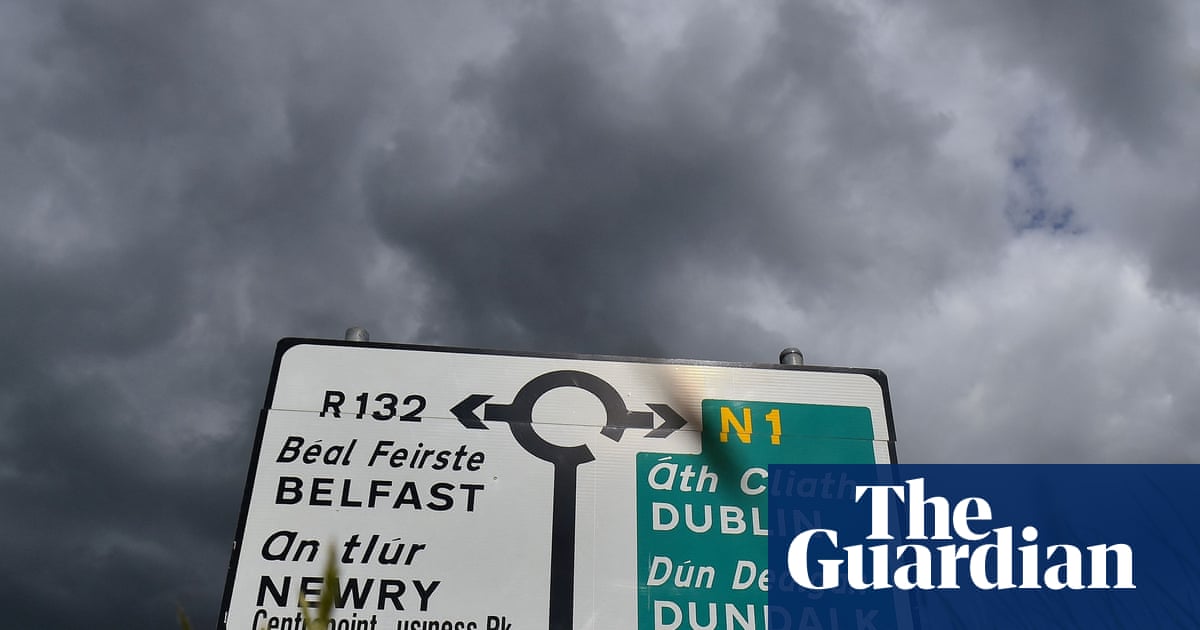
Up to 90% of Ireland’s asylum seekers may have entered from Northern Ireland, data shows – The Guardian
Data reported by The Guardian indicates that up to 90% of asylum seekers in the Republic of Ireland may have entered the country via Northern Ireland. This migration pattern has led the UK to announce an intensification of crackdowns on illegal migration and has placed the Common Travel Area (CTA) under renewed political scrutiny.
How many asylum seekers enter Ireland via Northern Ireland?
According to reports from The Guardian, data suggests that as many as 90% of individuals seeking asylum in the Republic of Ireland arrive from Northern Ireland. This figure highlights a significant trend where migrants enter the UK jurisdiction first before crossing the land border into the Irish state to lodge their protection claims.
The movement of people across this border is facilitated by the absence of physical checkpoints, a condition maintained to ensure peace and stability in the region. While the Republic of Ireland manages its own asylum process, the high percentage of arrivals from the north suggests that Northern Ireland serves as a primary transit point for those attempting to reach the Irish state.
Key figures regarding this migration flow include:
- Estimated Entry Rate: Up to 90% of asylum seekers enter via Northern Ireland, per The Guardian.
- Primary Route: UK territory → Northern Ireland → Republic of Ireland.
- Legal Framework: The Common Travel Area (CTA) governs movement between the two jurisdictions.
Why is the UK intensifying migration crackdowns in Northern Ireland?
The BBC reports that the UK government intends to “intensify” its crackdown on illegal migration specifically within Northern Ireland. This move comes as a direct response to the perceived use of the region as a gateway for migrants intending to move further into the UK or cross into the Republic of Ireland.
The UK’s strategy involves increasing surveillance and enforcement measures to deter illegal entry and transit. The government’s objective is to close what some officials view as a vulnerability in the UK’s border security, particularly as the land border between Northern Ireland and the Republic of Ireland remains open.
This intensification of enforcement is part of a broader UK policy to reduce “small boat” arrivals and irregular migration, though the Northern Ireland context is unique due to the land border. The BBC indicates that the focus is on preventing the region from being exploited by human smuggling networks that utilize the open border to move people across jurisdictions.
What is the Common Travel Area and how does it affect migration?
The Common Travel Area (CTA) is a long-standing arrangement between the United Kingdom and Ireland that allows citizens of both nations to move freely between the two jurisdictions. According to analysis from The Conversation, the CTA is not a modern “loophole” but a historical agreement that predates the European Union and the Schengen Area.

The CTA allows for the free movement of people, meaning there are typically no passport controls for those traveling between the UK and Ireland. While this is designed to facilitate trade and social ties, it also means that migrants who have entered the UK—legally or illegally—can cross into the Republic of Ireland without encountering a formal border check.
The Conversation argues that characterizing the CTA as a “loophole” for migrants oversimplifies a complex legal and political framework. The agreement is rooted in the shared history of the islands and is viewed by both governments as essential for the functioning of the region, regardless of the EU’s Brexit process.
| Perspective | View of the CTA | Primary Concern |
|---|---|---|
| Security/Enforcement | A potential “loophole” for irregular migration. | Border security and illegal transit. |
| Legal/Historical | A foundational bilateral agreement. | Maintaining regional stability and free movement. |
| Political | A point of contention during migration crises. | Balancing security with the Good Friday Agreement. |
Does the data suggest a need for a hard border?
The debate over whether the current migration trends necessitate a “hard border” (physical checkpoints and passport controls) has intensified. However, reporting from The Telegraph suggests that a hard Irish border is not the answer to the migration challenge.
The Telegraph argues that reinstating a physical border would not only be practically difficult but would also risk undermining the political stability achieved through the Good Friday Agreement. The publication suggests that migration issues should be handled through increased cooperation between Dublin and London rather than through the installation of walls or checkpoints.
Similarly, RTE.ie has noted that the Common Travel Area has come back into focus following incidents such as the Belfast attack, with some calling for tighter controls. Yet, the consensus among many political analysts is that the social and political cost of a hard border far outweighs the potential gains in migration control.
Arguments against a hard border include:
- Political Instability: Risk of reviving sectarian tensions in Northern Ireland.
- Economic Disruption: Interference with the seamless flow of goods and services.
- Diplomatic Strain: Potential damage to the UK-Ireland relationship.
How do the Republic of Ireland and the UK differ in their asylum approaches?
The trend of migrants moving from Northern Ireland to the Republic of Ireland suggests a preference for the Irish asylum system over the UK system. While both countries are signatories to the 1951 Refugee Convention, their internal policies and processing speeds differ.

According to The Conversation, migrants may seek to enter the Republic of Ireland because of perceived differences in the treatment of asylum seekers, the legal pathways to residency, or the specific political climate in Dublin compared to London. When migrants enter the UK first and then move to Ireland, they are effectively switching jurisdictions to seek protection under Irish law.
This “jurisdiction shopping” places additional pressure on the Irish state’s resources. Because the CTA allows for easy movement, the Republic of Ireland often finds itself processing claims for individuals who have already spent time in the UK, creating a complex legal situation regarding which country is responsible for the asylum seeker.
For those interested in the legal specifics of these claims, a related explainer on EU asylum directives may provide further context on how member states handle cross-border protection requests.
The impact of the Belfast attack on border discourse
RTE.ie reports that the Common Travel Area has faced increased scrutiny in the wake of a Belfast attack. Such events often trigger immediate calls for tighter security and more stringent border controls to prevent the movement of dangerous individuals between the north and south.
This creates a tension between two different security needs: the need to control illegal migration and the need to prevent terrorism or violent crime. While the UK government’s “intensified crackdown” mentioned by the BBC focuses on migration, the discourse reported by RTE suggests that security concerns are often intertwined with migration debates.
The challenge for both governments is to enhance security and migration monitoring without creating a physical barrier that would signal a return to the pre-peace process era. This involves utilizing intelligence sharing and digital monitoring rather than physical walls.
Comparing the narratives: Loophole vs. Agreement
There is a clear contrast in how different sources frame the current situation. The Guardian’s reporting on the 90% figure provides a statistical basis for those who argue that the border is being exploited. This narrative frames the CTA as a vulnerability that allows the Republic of Ireland to be “flooded” by migrants who have already entered the UK.
In contrast, The Conversation frames the CTA as a vital diplomatic tool. By rejecting the term “loophole,” this perspective emphasizes that the CTA is a deliberate choice made by both nations to prioritize regional peace and kinship over strict border enforcement. From this viewpoint, the migration trend is not a failure of the CTA, but a symptom of broader global migration pressures that no single border policy can fully solve.
The BBC’s reporting on the UK’s “intensified crackdown” sits between these two narratives. It acknowledges the government’s desire to close the “gap” while operating within the constraints of the existing legal framework. The UK is attempting to reduce illegal migration without officially dismantling the CTA, a balancing act that requires increased policing within Northern Ireland rather than at the border line itself.
Potential long-term consequences of intensified enforcement
The move by the UK to increase crackdowns in Northern Ireland may have several ripple effects. First, it could shift the routes used by human smugglers. If Northern Ireland becomes a high-risk transit point, smugglers may seek alternative, potentially more dangerous routes into the Republic of Ireland.
Second, increased policing in Northern Ireland could lead to higher tensions with local communities. A visible increase in migration enforcement may be perceived as a shift in the region’s security posture, potentially impacting the fragile social balance.
Third, the pressure on the Irish government to respond may increase. If the UK successfully reduces the flow of migrants into Northern Ireland, the Republic of Ireland may see a change in the demographics of its asylum seekers, or it may face increased pressure from the UK to implement its own stricter border measures.
Key implications to monitor include:
- Smuggling Patterns: Whether arrivals shift from land routes to sea routes.
- Bilateral Relations: Whether the UK’s unilateral “intensification” of crackdowns causes friction with the Irish government.
- Legal Challenges: Whether increased enforcement leads to more court cases regarding the rights of migrants under the CTA.
Frequently Asked Questions
What does the 90% figure actually mean?
According to The Guardian, this figure suggests that the vast majority of asylum seekers in the Republic of Ireland did not arrive directly from outside the UK/Ireland region, but instead crossed the land border from Northern Ireland after first entering the UK.
Is the Common Travel Area a loophole for illegal migration?
This is a point of debate. Some officials and media outlets suggest it is a vulnerability. However, as explained by The Conversation, the CTA is a formal, historical agreement between the UK and Ireland designed to allow free movement, and its existence is considered essential for regional peace.

Will there be a hard border between Northern Ireland and the Republic of Ireland?
While some call for tighter controls, The Telegraph and other analysts argue that a hard border is not a viable solution because it would likely destabilize the political peace established by the Good Friday Agreement.
How is the UK responding to this migration trend?
The BBC reports that the UK government is “intensifying” its crackdown on illegal migration within Northern Ireland to prevent the region from being used as a transit point for those seeking to enter the Republic of Ireland or other parts of the UK.
Why do migrants prefer the Republic of Ireland over the UK?
While not definitively stated as a single cause, analysis from The Conversation suggests that differences in asylum processing, legal frameworks, and the political environment in Ireland may make it a more attractive destination for those seeking international protection.
For further reading on how international law affects these movements, you may find a related explainer on the 1951 Refugee Convention useful.
