Grange Hill Farm Ramps Up Highland Cattle Breeding Program – Tasmanian Country Newspaper
Grange Hill Farm has expanded its Highland cattle breeding operations to increase the supply of hardy, genetically diverse livestock within the region, according to reports from the Tasmanian Country Newspaper. The program focuses on scaling the population of these resilient cattle to meet growing demand for low-input, grass-fed beef and high-quality breeding stock in Tasmania.
What is driving the expansion at Grange Hill Farm?
The decision to scale the breeding program at Grange Hill Farm stems from a combination of shifting consumer preferences and the specific environmental advantages of the Tasmanian landscape. According to the Tasmanian Country Newspaper, the farm is prioritizing the growth of its Highland herd to establish a more robust genetic baseline for the breed within the state.
Highland cattle are increasingly sought after by smaller-scale farmers and hobbyists who require livestock capable of thriving on marginal land. Unlike many commercial beef breeds, Highlands possess a double coat of hair that allows them to withstand extreme cold and wet conditions without the need for expensive housing or supplemental feeding. By ramping up its breeding program, Grange Hill Farm aims to provide a local source of these animals, reducing the need for costly and stressful long-distance transport of livestock from mainland Australia or overseas.
Key objectives of the expanded program include:
- Genetic Diversity: Introducing a wider range of bloodlines to prevent inbreeding and improve overall herd health.
- Market Accessibility: Increasing the number of available heifers and bulls for other Tasmanian producers.
- Sustainable Land Management: Utilizing the breed’s natural grazing habits to maintain pasture health.
Why are Highland cattle suited for the Tasmanian climate?
Tasmania’s temperate maritime climate, characterized by high rainfall and cool temperatures, mirrors the native environment of the Scottish Highlands. This makes the region an ideal location for this specific breed. According to agricultural standards for the breed, the Highland cow’s unique physiology provides a significant advantage over traditional European breeds in the Southern Highlands and coastal regions of Tasmania.
The breed’s double coat consists of a long, oily outer layer that sheds rain and a soft, downy undercoat for warmth. This adaptation reduces the animal’s reliance on subcutaneous fat for insulation, which often results in leaner meat compared to other cold-climate breeds. Furthermore, Highland cattle are known for their ability to forage on brush and coarse grasses that other cattle typically reject, making them an efficient tool for land clearing and pasture maintenance.
“The resilience of the Highland breed allows for a lower-intervention approach to farming, which aligns with the growing trend toward regenerative agriculture in Tasmania.”
Because they are less prone to the hoof rot and respiratory issues that often plague heavier breeds in damp conditions, the cost of veterinary intervention is typically lower for Highland herds. This economic efficiency is a primary driver for the program’s expansion at Grange Hill Farm.
How does the breeding program improve livestock genetics?
The expansion at Grange Hill Farm is not merely about increasing numbers but about strategic genetic selection. A successful breeding program requires a rigorous focus on “phenotype”—the physical characteristics of the animal—and “genotype”—the underlying genetic makeup. According to the Tasmanian Country Newspaper, the farm is focusing on specific traits to ensure the longevity and viability of the breed in the region.
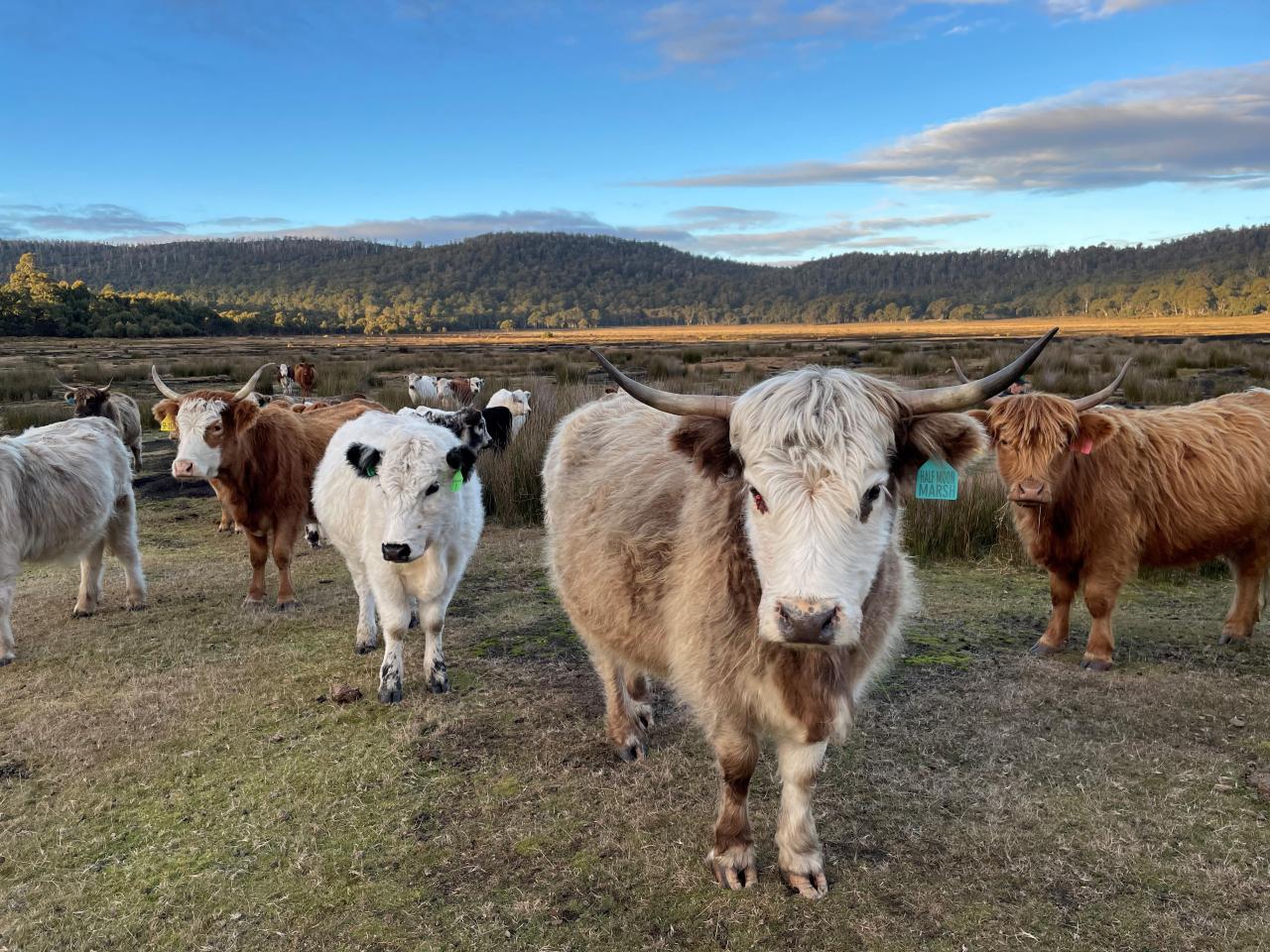
Breeders at Grange Hill Farm focus on several critical markers:
- Temperament: Selecting for docile animals that are easier to handle, which is essential for smaller farms.
- Maternal Instincts: Prioritizing cows with high calving success rates and strong nurturing behaviors.
- Structural Integrity: Ensuring strong legs and joints to support the animal’s weight on uneven Tasmanian terrain.
The program employs a selective breeding cycle where only the highest-performing bulls are used for mating. This process helps in eliminating hereditary defects and enhancing the “hardiness” factor that defines the breed. By documenting the lineage and growth rates of each calf, the farm creates a data-driven approach to breeding that provides buyers with confidence in the livestock’s future performance.
| Trait | Highland Cattle | Standard Commercial Beef Breeds |
|---|---|---|
| Climate Adaptation | High (Cold/Wet) | Moderate (Requires Shelter) |
| Feeding Requirements | Low (Forages on Coarse Grass) | High (Requires High-Quality Pasture/Grain) |
| Meat Profile | Leaner, Grass-Fed | Higher Marbling, Often Grain-Finished |
| Maintenance Cost | Lower (Less Vet/Housing) | Higher (More Intensive Care) |
What impact does this have on the Tasmanian agricultural market?
The scaling of the Grange Hill Farm program has broader implications for the Tasmanian livestock economy. As more Highland cattle enter the local market, it creates a ripple effect that benefits other sectors of the agricultural industry. According to regional market trends, there is an increasing appetite for “niche” beef products that can be marketed as sustainable, organic, or heritage-bred.
The availability of local breeding stock allows other farmers to diversify their offerings. For instance, a producer who previously relied solely on Angus or Hereford cattle can now integrate Highland genetics to create a “cross-breed” that combines the meat quality of commercial breeds with the hardiness of the Highland. This diversification reduces the financial risk for farmers by allowing them to target different market segments, such as high-end farm-to-table restaurants that prioritize the “story” and sustainability of the meat.
Furthermore, the growth of the program encourages a community of knowledge-sharing among Tasmanian breeders. As the population of Highlands grows, so does the collective understanding of how to manage the breed within the specific soil and weather conditions of the island. This contributes to a more resilient local food system that is less dependent on imports from the mainland.
Related reporting on sustainable livestock practices in Australia suggests that these low-input breeds are central to the transition toward carbon-neutral farming, as they require fewer chemical inputs and less intensive land management.
What are the common challenges in Highland cattle breeding?
Despite the benefits, ramping up a breeding program for Highland cattle involves significant challenges. One of the primary misconceptions is that these animals require no management because they are “hardy.” In reality, the very traits that make them resilient can also make them difficult to manage if not handled correctly.
According to livestock management guidelines, some of the primary hurdles include:
- Slower Growth Rates: Highland cattle generally grow more slowly than industrial beef breeds. This means it takes longer for a calf to reach market weight, requiring farmers to have more patience and a longer-term financial outlook.
- Coat Maintenance: While the coat is an asset in winter, it can lead to overheating in an unusually hot Tasmanian summer. Proper shade and water access are critical.
- Handling Difficulties: While often docile, the horns of the Highland breed require specific fencing and handling facilities to prevent injury to both the animals and the farmers.
Grange Hill Farm addresses these issues by implementing a gradual scaling process. Rather than flooding the herd overnight, the farm increases its numbers in stages, ensuring that the infrastructure—such as reinforced fencing and expanded grazing rotations—can keep pace with the population growth.
How does this program fit into the broader regenerative farming movement?
The expansion reported by the Tasmanian Country Newspaper aligns with the global shift toward regenerative agriculture. This philosophy focuses on restoring soil health, increasing biodiversity, and reducing the carbon footprint of food production. Highland cattle are naturally suited for this approach because of their grazing behavior.
Unlike some breeds that overgraze specific patches of lush grass, Highlands are “opportunistic” grazers. They eat a wider variety of vegetation, including weeds and scrub. This prevents the dominance of a few grass species and encourages a more diverse botanical landscape, which in turn supports a healthier insect and bird population.
By integrating these cattle into a rotational grazing system, Grange Hill Farm can help improve soil structure. The movement of the herd across different paddocks ensures that manure is distributed evenly, naturally fertilizing the soil without the need for synthetic nitrogen fertilizers. This closed-loop system reduces runoff into Tasmanian waterways and sequesters more carbon in the ground.
For those interested in how this fits into wider trends, a guide to regenerative grazing provides more detail on the science of soil restoration through livestock.
Frequently Asked Questions
Why is Grange Hill Farm expanding its Highland cattle program?
According to the Tasmanian Country Newspaper, the expansion is designed to meet the increasing demand for hardy, low-input livestock and to provide a local source of high-quality genetics for other Tasmanian farmers, reducing the need for interstate transport.
What makes Highland cattle better for Tasmania than other breeds?
Their double-layered coat and natural resilience make them exceptionally well-suited for Tasmania’s cold, wet climate. They can graze on marginal land and coarse vegetation that other breeds cannot, leading to lower feeding and housing costs.
Do Highland cattle produce the same quality of meat as Angus or Hereford?
Highland beef is often leaner than that of commercial breeds because the animals rely on their hair rather than fat for warmth. This makes them a preferred choice for health-conscious consumers and those seeking grass-fed, sustainable beef options.
What are the risks associated with breeding Highland cattle?
The main challenges include slower growth rates compared to commercial beef cattle and the need for specialized handling and fencing due to their horns. They also require careful management during extreme heatwaves.
How does this program help the environment?
Highland cattle support regenerative farming by grazing a wider variety of plants, which increases biodiversity. Their use in rotational grazing systems helps naturally fertilize the soil and reduce the reliance on chemical fertilizers.
