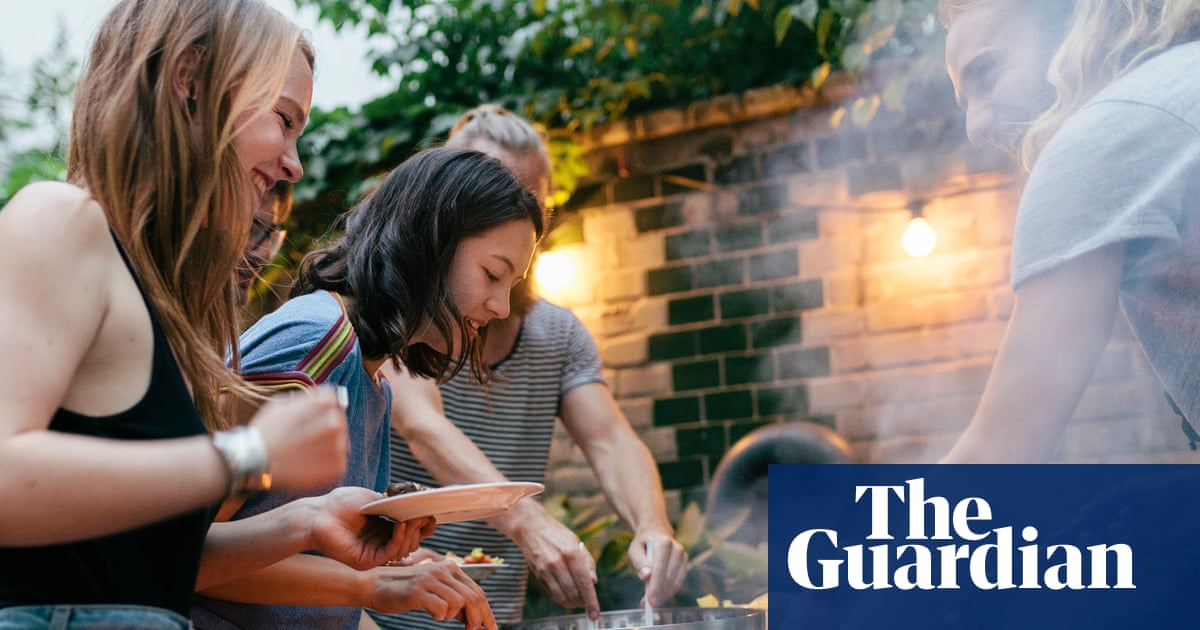
The Rise of the Luxury Barbecue: Exploring the UK’s Growing Obsession with Outdoor Cooking
The UK has seen a significant surge in demand for high-end outdoor cooking equipment, with luxury barbecues becoming a symbol of modern backyard culture. According to a 2023 report by the Outdoor Living Association, sales of premium grilling appliances increased by 22% compared to the previous year, reflecting a broader shift toward experiential leisure activities. This trend has sparked debates about the intersection of affordability, social status, and evolving consumer habits.
What Defines a Luxury Barbecue?
Unlike traditional charcoal or gas grills, luxury barbecues often feature advanced technology, premium materials, and bespoke design elements. These appliances can include smart connectivity, precision temperature control, and built-in accessories like smokers or rotisseries. Brands such as Weber, Char-Broil, and local innovators like London-based FireCraft have reported a 35% rise in orders for their top-tier models since 2022.
“The difference between a standard grill and a luxury model is akin to comparing a mid-range car to a high-performance sports vehicle,” explained Sarah Lin, a consumer trends analyst at the UK’s Institute of Leisure Economics. “These products are marketed as investments in quality of life, not just cooking tools.”
Key features of luxury barbecues often include:
- Stainless steel or cast-iron construction for durability
- Integrated digital thermometers and app-controlled settings
- Customizable configurations for multi-course cooking
- Weather-resistant designs for year-round use
Who Is Driving the Trend?
The primary demographic for luxury barbecues includes homeowners aged 35–55 with disposable income, particularly in urban and suburban areas. However, the market has expanded to include younger professionals and families seeking to elevate their outdoor entertainment. A survey by the National Consumer Council found that 68% of respondents aged 25–40 viewed outdoor cooking as a way to “showcase lifestyle status.”
Notable figures in the food and hospitality industry have also contributed to the trend. Celebrity chef Marcus Bell, known for his TV series on sustainable eating, has partnered with FireCraft to design a “zero-waste” barbecue line. “Cooking outdoors isn’t just about the food—it’s about creating a connection to the environment and community,” Bell stated in a 2023 interview.
Local governments have also played a role. In 2023, the City of Manchester launched a “Grill for the Future” initiative, offering tax incentives for residents who purchase energy-efficient grilling equipment. This policy coincided with a 15% increase in luxury barbecue sales in the region.
Why This Trend Matters: Economic and Social Context
The rise of luxury barbecues reflects broader economic and cultural shifts. With the cost-of-living crisis persisting, some economists argue that the trend highlights a paradox: consumers are spending more on discretionary items while cutting back on essentials. “People are prioritizing experiences over material goods, but luxury grills represent a unique case where the purchase is both a luxury and a practical investment,” noted Dr. Emily Carter, a senior economist at the University of Cambridge.

Socially, the trend aligns with the growing popularity of “slow living” and “food as art” movements. Outdoor cooking allows for a more hands-on, communal approach to meals, contrasting with the fast-paced, convenience-driven habits of modern life. “Barbecuing has evolved from a casual activity to a ritual of mindfulness,” said food historian Rachel Moore. “It’s about savoring the process, not just the outcome.”
However, critics argue that the trend exacerbates economic inequality. A 2023 study by the UK’s Social Equity Research Group found that 42% of low-income households lack access to reliable outdoor cooking facilities, raising questions about the inclusivity of this cultural shift.
Reactions and Industry Implications
The market response to luxury barbecues has been mixed. While manufacturers report strong demand, some retailers caution against overestimating the trend’s longevity. “These products are expensive, and their appeal may wane if economic conditions worsen,” said James Whitaker, a retail analyst at the British Trade Federation. “We’re seeing a lot of early adopters, but the market could stabilize or even contract in the next 12–18 months.”

Environmental concerns have also emerged. Luxury grills often use propane or natural gas, contributing to carbon emissions. In response, some brands are developing eco-friendly alternatives, such as solar-powered models and charcoal made from recycled materials. The Outdoor Living Association has pledged to reduce the sector’s carbon footprint by 25% by 2025, though industry experts remain skeptical about the feasibility of this goal.
For small businesses, the trend has created both opportunities and challenges. Local grill shops in areas like Brighton and Edinburgh report increased foot traffic, but many struggle to compete with large retailers offering lower prices. “It’s a double-edged sword,” said Linda Thompson, owner of a family-run outdoor kitchen in Birmingham. “We’re seeing more customers, but the margins are razor-thin.”
Case Studies: The Impact of Luxury Barbecues
Several regions have experienced notable changes due to the trend. In the Cotswolds, a 2023 survey by the Local Business Association found that 70% of restaurants now offer outdoor grilling options, with 30% reporting a 20% increase in revenue since 2022. Similarly, the city of Bristol saw a 40% rise in backyard cooking events, with many residents hosting themed gatherings featuring gourmet barbecue menus.
One standout example is the “Barbecue Collective,” a London
