Stay Well: My ‘double-jointedness’ is down to hypermobility. What is it and will it cause me any issues? – The Irish Independent
For many, being “double-jointed” is viewed as a casual party trick or a benign quirk of anatomy. However, for a significant number of people, this extreme flexibility is actually a symptom of hypermobility, a condition that can range from a harmless trait to a complex medical disorder. When the conversation shifts from “double-jointedness” to a clinical diagnosis, the implications for long-term health, mobility, and mental well-being become far more significant. Understanding the distinction between simple flexibility and hypermobility spectrum disorders is essential for those experiencing chronic pain or unexpected injuries.
Defining Hypermobility: Beyond the ‘Double-Jointed’ Label
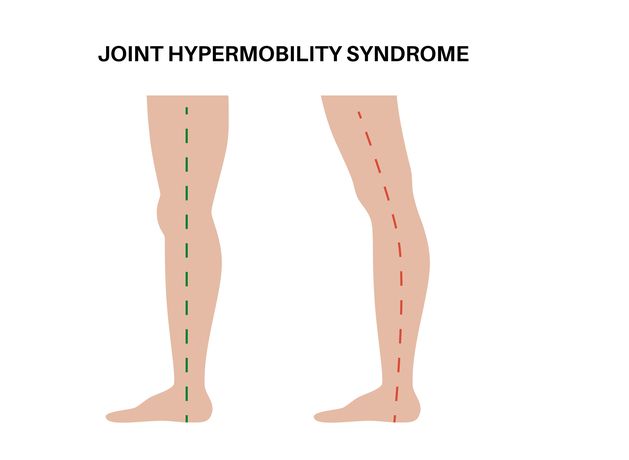
At its most basic level, hypermobility refers to joints that can move beyond the normal range of motion. While the term “double-jointed” is commonly used in social settings, medical professionals categorize this under the umbrella of joint hypermobility. According to the NHS, this condition is characterized by highly flexible joints, which allow for an unusually large range of movement. While this may seem advantageous in certain athletic or artistic pursuits, it often comes with a physical cost.
The primary issue with hypermobile joints is that the tissues supporting the joint—such as ligaments—are more stretchy than average. This can lead to a lack of stability, making the joints more prone to stiffness and pain. When the body’s structural support is compromised, the muscles often have to work harder to keep the joints in place, which can lead to premature fatigue and chronic aching.
Key Characteristics of Hypermobility:
- Increased Range of Motion: Joints that extend further than the standard anatomical limit.
- Joint Instability: A higher likelihood of joints shifting out of place or feeling “loose.”
- Associated Pain: Potential for stiffness and chronic pain resulting from the unusual movement of the joints.
The Spectrum of Hypermobility Disorders
Hypermobility is not a single condition but exists on a spectrum. Medical research, including studies conducted within paediatric physiotherapy services in Ireland, distinguishes between different levels of the condition. Understanding these classifications is crucial for obtaining the correct treatment and support.
Generalized Joint Hypermobility (GJH)
GJH is often the most common form, where multiple joints throughout the body exhibit increased flexibility. For many, this remains a benign trait that does not cause significant systemic health issues, though it may still increase the risk of minor sprains.
Generalized Hypermobility Spectrum Disorder (gHSD)
When hypermobility is accompanied by symptomatic issues—such as chronic pain or joint instability—it may be classified as Generalized Hypermobility Spectrum Disorder. This represents a move from a simple physical trait to a clinical condition that requires management.
Hypermobility Ehlers-Danlos Syndrome (hEDS)
At the more severe end of the spectrum is Hypermobility Ehlers-Danlos Syndrome (hEDS). This is a systemic connective tissue disorder. Unlike simple hypermobility, hEDS often involves a wide array of co-morbidities that affect various systems of the body. Because it affects the connective tissue, the impact is not limited to the joints but can extend to other internal structures.
| Classification | Primary Characteristic | Typical Impact |
|---|---|---|
| GJH | Widespread joint flexibility | Often asymptomatic; occasional joint looseness. |
| gHSD | Flexibility paired with symptoms | Chronic pain, joint stiffness, and instability. |
| hEDS | Systemic connective tissue disorder | Severe joint issues and multiple co-morbid systemic conditions. |
The Human Cost: Injuries and the ‘Gaslighting’ Effect
The transition from being a flexible teenager to a diagnosed patient can be a jarring emotional and physical journey. A prominent example of this is seen in the experience of singer Billie Eilish, who reflected on how her relationship with her body evolved after sustaining injuries as a teenager.
At the age of 13, Eilish suffered a growth plate injury in her hip. This specific type of injury is significant because growth plates are areas of active new bone growth in children and adolescents; damage to these areas can have lasting effects on development. For Eilish, the injury was life-altering, as it meant she could no longer participate in dance classes. This physical limitation forced a pivot in her creative output, leading her to replace dancing with music—a shift that occurred shortly after the creation of her song “Ocean Eyes.”
“I felt like my body was gaslighting me for years,” said Eilish, reflecting on the struggle of dealing with injuries and the anger she felt toward her body for the pain it caused and the opportunities she lost.
This sentiment of “gaslighting” often resonates with those with hypermobility. Because the condition is “invisible”—meaning the person may look healthy or even appear “athletically gifted” due to their flexibility—the internal pain and instability are often dismissed or misunderstood by others, and sometimes even by the patients themselves, until a formal diagnosis is reached.
Co-morbidities and Long-term Complications
For those diagnosed with hEDS or severe hypermobility spectrum disorders, the condition rarely exists in isolation. Connective tissue is found throughout the entire body, meaning that when it is compromised, multiple organs and systems can be affected. Advocacy work in Ireland, such as the #EDS4IRE and #HSD4IRE campaigns, highlights the prevalence of these co-morbid issues.
Common Associated Conditions
- Chiari Malformation: A structural defect where brain tissue extends into the spinal canal.
- Cervical Instability: Instability in the ligaments of the neck, which can lead to significant pain and neurological symptoms.
- Osteoarthritis: Early-onset wear and tear of the joints due to improper alignment and instability.
- Dysautonomia: A malfunction of the autonomic nervous system, which controls involuntary functions like heart rate and blood pressure.
The cumulative effect of these conditions often necessitates the use of mobility aids to manage daily life. Depending on the severity of the day and the level of activity required, individuals may rely on a variety of tools, including:
- Walking sticks
- Rollators
- Trough crutches
- Wheelchairs
The Challenge of Diagnosis in Ireland
A recurring theme among patients and advocates in Ireland is the difficulty of obtaining a timely and accurate diagnosis. Many individuals report that they were not properly diagnosed until adulthood, despite experiencing symptoms since childhood. This delay can lead to years of improper treatment or the psychological toll of feeling that their pain is not being taken seriously.
The lack of early detection is often attributed to a lack of awareness among the general public and medical professionals regarding the spectrum of hypermobility. Because the symptoms can be vague—ranging from general fatigue and joint pain to more specific issues like dizziness (associated with dysautonomia)—it can seize a long time for a clinician to connect these disparate symptoms to a single connective tissue disorder.
In response to these gaps in healthcare, community-led movements have emerged to fight for appropriate healthcare and to spread awareness. These campaigns emphasize the need for medical professionals to recognize the signs of hEDS and HSD earlier in life to prevent the long-term damage associated with untreated joint instability.
Managing a Hypermobile Body
While there is no cure for genetic connective tissue disorders like hEDS, management focuses on stability, pain reduction, and the prevention of further injury. The goal is to move from a state of conflict with the body to a state of informed management.
Strategies for Stability:
- Physiotherapy: Targeted exercises to strengthen the muscles around the joints to compensate for loose ligaments.
- Mobility Aids: Using devices like wheelchairs or crutches to reduce the load on unstable joints.
- Awareness: Understanding the body’s limits to avoid overextending joints into dangerous ranges of motion.
For those seeking more information on how to navigate the healthcare system for these conditions, related explainer on connective tissue disorders may provide further guidance on preparing for specialist appointments.
Frequently Asked Questions
Is being double-jointed always a medical problem?
No. Many people have generalized joint hypermobility (GJH) that is entirely asymptomatic. It only becomes a medical concern (such as gHSD or hEDS) when the flexibility is accompanied by pain, frequent dislocations, or other systemic health issues.
What is the difference between gHSD and hEDS?
Generalized Hypermobility Spectrum Disorder (gHSD) typically refers to hypermobility that causes symptoms like pain and instability. Hypermobility Ehlers-Danlos Syndrome (hEDS) is a more systemic connective tissue disorder that often includes additional co-morbidities affecting other parts of the body, such as the autonomic nervous system or the cranium.
Why is diagnosis often delayed until adulthood?
Diagnosis is often delayed because hypermobility is frequently dismissed as a harmless trait during childhood. The co-morbidities associated with the condition can be diverse, making it challenging for doctors to link them all to a single underlying cause without specialized knowledge of the hypermobility spectrum.
Can hypermobility cause other health issues besides joint pain?
Yes, particularly in the case of hEDS. Co-morbidities can include dysautonomia, cervical instability, Chiari malformation, and early-onset osteoarthritis.
What should I do if I suspect I have a hypermobility disorder?
It is crucial to consult a healthcare professional. Because the condition can be complex, seeking a referral to a specialist who understands the hypermobility spectrum and connective tissue disorders is often the most effective path to an accurate diagnosis.
