
The American Heart Association has released an updated dietary guide aimed at reducing the prevalence of cardiovascular disease, citing a concerning trend in nutrition habits across the United States. Published on March 31, 2026, the Dietary Guidance for Improving Cardiovascular Health 2026
updates the previous 2021 version to incorporate the latest scientific evidence on nutrition and heart health.
The update arrives as health officials observe that more than half of all adults and approximately 60% of children in the U.S. Follow unhealthy diets, a trend that contributes directly to an increase in cardiovascular illnesses.
Core Dietary Recommendations
The 2026 guidance outlines nine essential measures designed to create a sustainable, heart-healthy eating pattern:
- Caloric Balance: Maintain a proper alignment between food intake and energy expenditure to manage weight.
- Fruit and Vegetable Variety: Consume high volumes and a wide variety of fruits and vegetables, including those that are frozen or canned.
- Whole Grains: Prioritize natural, whole grains over refined versions.
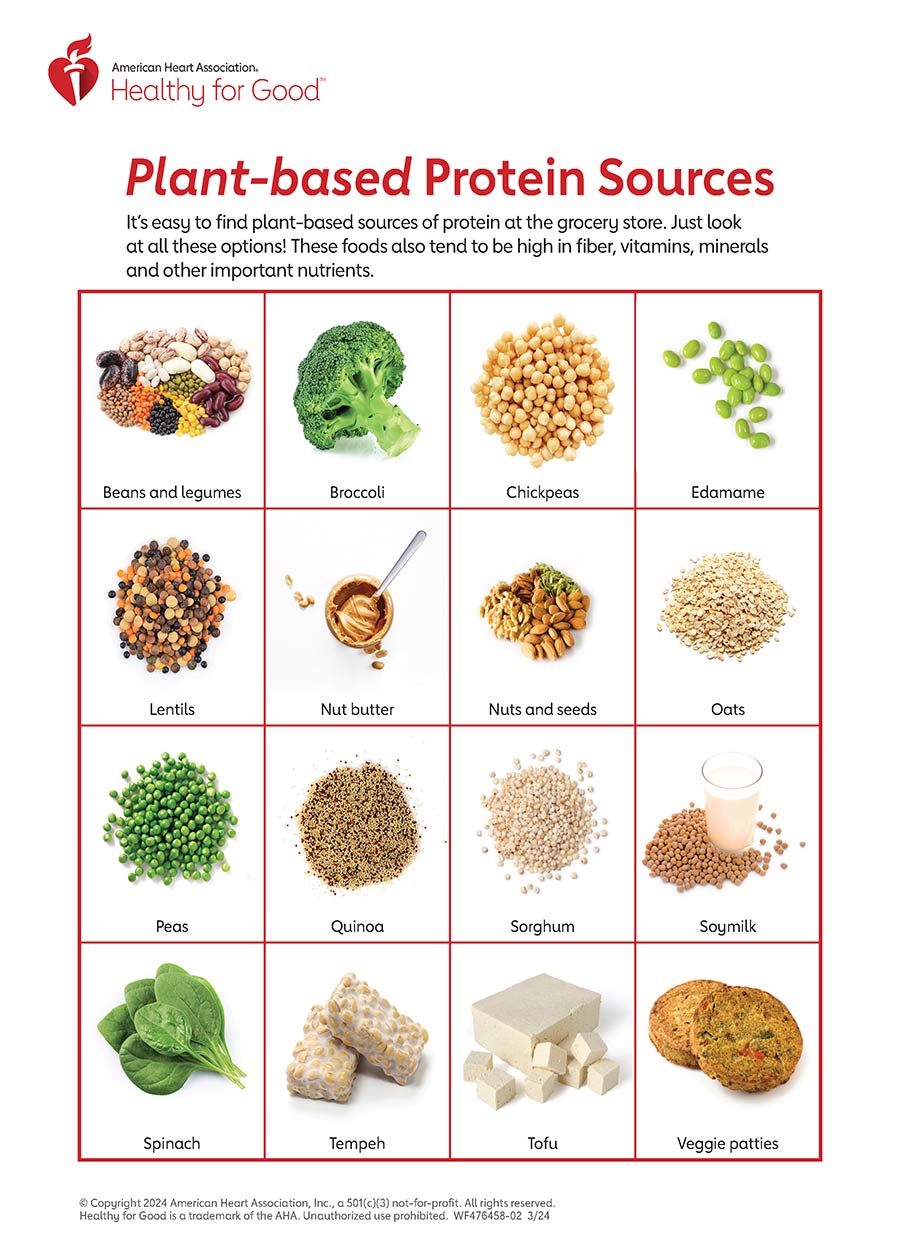
- Plant-Based Proteins: Increase the intake of legumes and nuts while reducing the consumption of meat.
- Healthy Fats: Substitute saturated fats with healthier alternatives, such as avocados or vegetable oils.
- Minimal Processing: Choose minimally processed foods over ultra-processed options containing additives.
- Sugar Reduction: Minimize the overall intake of added sugars.
- Salt Limitation: Reduce salt consumption to protect cardiovascular function.
- Alcohol Restriction: Limit alcohol intake to little or none.
Addressing Protein and Processed Food Trends
American cardiologists have noted a persistent increase in the consumption of animal-based proteins, which continues to outweigh the intake of plant-based proteins. The updated guide specifically emphasizes the need to shift this balance by prioritizing legumes and nuts to improve long-term heart health outcomes.
The guidance also highlights the danger of ultra-processed foods. Experts recommend a shift toward foods that are minimally processed to avoid the negative cardiovascular impacts associated with industrial additives and high levels of salt and sugar.
The Dairy Debate
The report touches upon the ongoing discussion regarding dairy consumption. While low-fat dairy remains a preferred choice for those looking to control calorie and fat intake, the association notes that the specific benefits of low-fat dairy compared to whole-fat options remain a subject of professional debate among experts.
