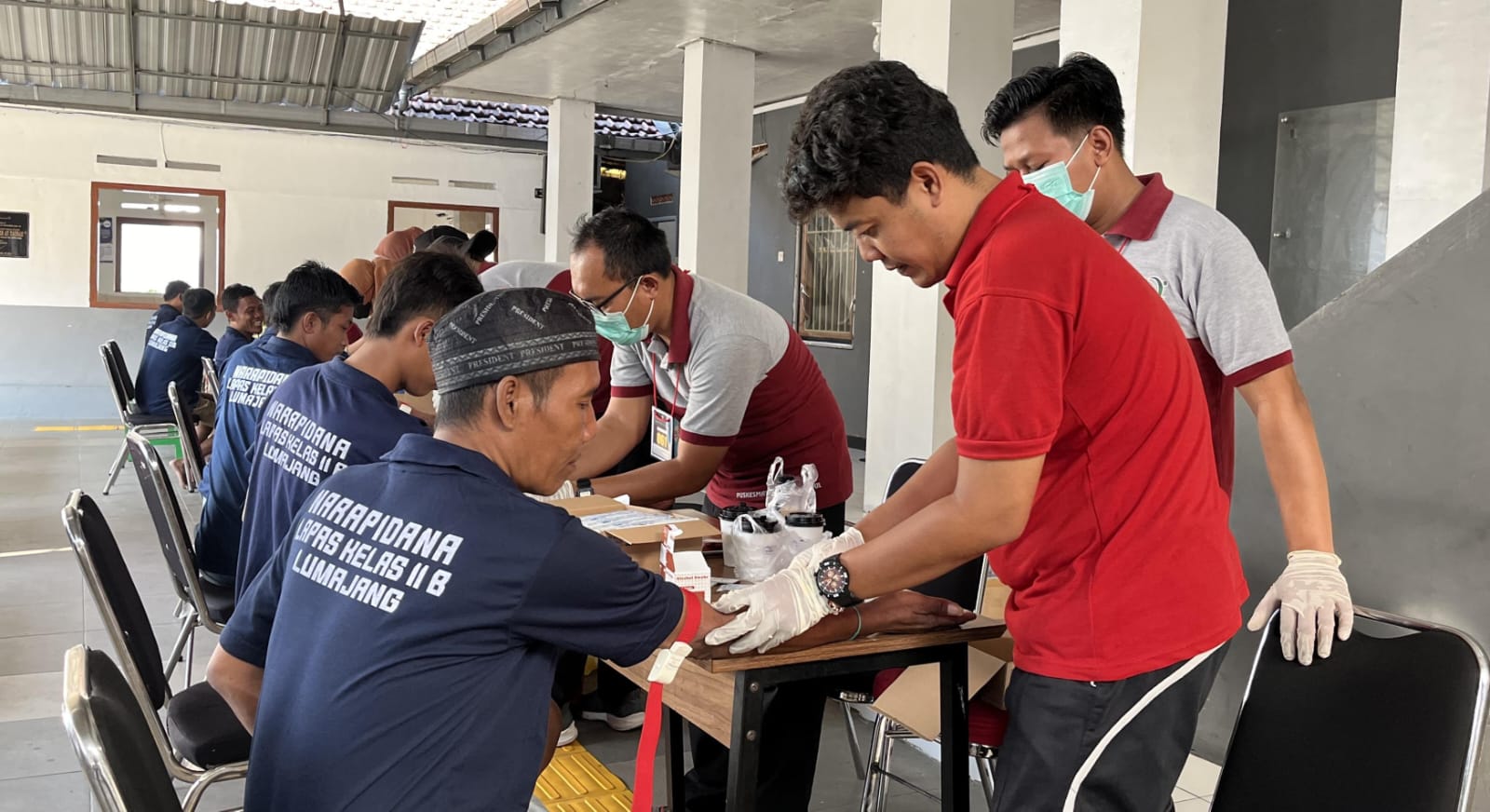
Several Indonesian correctional facilities have implemented targeted health screenings to detect and prevent the spread of infectious diseases among inmate populations. These initiatives focus on identifying blood-borne pathogens and providing early intervention in congregate living environments.
- Disease Focus: Screenings are specifically targeting HIV, syphilis, and hepatitis B.
- Methodology: Facilities are utilizing blood tests and Mobile VCT (Voluntary Counseling and Testing) units.
- Scale: Efforts include large-scale examinations, such as a phase II health check for 280 inmates at a single facility.
Targeted Screenings Across Multiple Facilities
Health authorities and prison administrators are coordinating efforts across various regions to identify communicable diseases. At the Lumajang Class IIB Prison, officials conducted a second phase of health examinations, during which 280 inmates underwent blood testing to assess their health status.
Similarly, the Palangka Raya Prison has integrated screenings for hepatitis B and HIV into its disease prevention strategy to mitigate the risk of outbreaks within the facility.
Mobile Testing and Collaborative Care
To increase accessibility and efficiency, some facilities have adopted mobile health strategies. Palu Prison has implemented Mobile VCT screenings as a primary tool for preventing the transmission of communicable diseases.
In Sukabumi, the local prison has established a partnership with the Benteng Health Center. This collaboration focuses on the deployment of Mobile VCT services specifically designed to prevent the spread of HIV and syphilis among the incarcerated population.
Public Health Implications in Correctional Settings
The use of Voluntary Counseling and Testing (VCT) is a standard public health approach that combines medical screening with professional counseling. This allows individuals to learn their health status in a supportive environment and facilitates immediate linkage to treatment if a diagnosis is positive.
Because prisons are high-density environments, the early detection of blood-borne and sexually transmitted infections is critical to preventing wider transmission and ensuring that inmates receive necessary medical care while in custody.
