
Uncover the Possibilities at Deni High: Transforming Regional Education in Deniliquin
Deniliquin High School is expanding its educational framework through the integration of advanced technology and diversified vocational pathways to improve student outcomes in the Riverina region, according to New South Wales Department of Education guidelines. This strategic shift aims to align rural secondary education with contemporary industry demands, providing students with digital competencies and technical certifications that traditionally required relocation to urban centers.
What new educational pathways are available at Deniliquin High School?
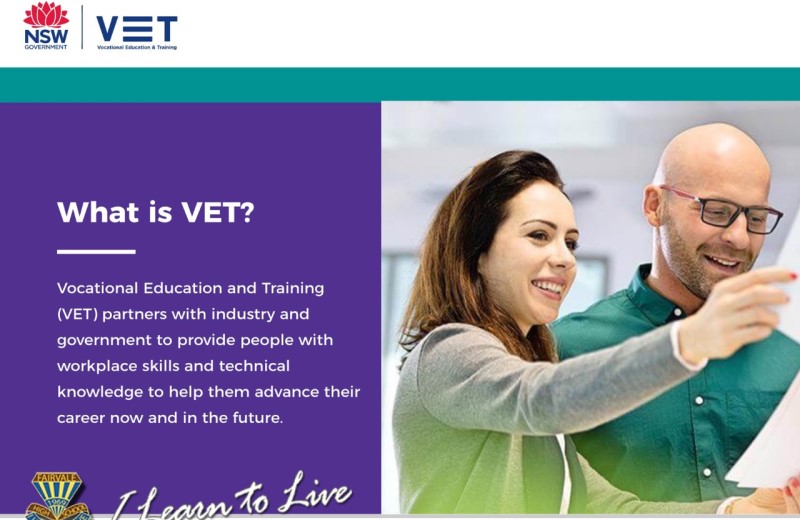
The current educational strategy at Deniliquin High School focuses on a dual-track approach that balances traditional academic rigor with Vocational Education and Training (VET). According to school curriculum documentation, this model allows students to pursue Higher School Certificates (HSC) while simultaneously earning industry-recognized certifications.
The “possibilities” referenced in regional educational updates center on the diversification of subject offerings. Students now have access to a broader range of electives that blend theoretical knowledge with practical application. This includes a heavy emphasis on agricultural science, which leverages the region’s pastoral strengths, and a growing suite of digital technologies courses.
- STEM Integration: The school has prioritized Science, Technology, Engineering, and Mathematics (STEM) to prepare students for technical careers.
- VET Frameworks: Partnerships with local industry providers allow students to gain credits in trades, hospitality, and agribusiness.
- Tertiary Bridging: Programs designed to transition students from rural secondary settings to university environments.
By expanding these pathways, the institution seeks to reduce the “educational drain” where students leave the region prematurely to find specialized training. According to regional development reports, keeping students engaged in high-quality local education supports the long-term economic viability of the Deniliquin area.
How is technology integration changing the rural classroom?
Technology integration at Deniliquin High School is moving beyond basic computer literacy toward a comprehensive digital ecosystem. According to NSW Department of Education digital learning standards, the goal is to ensure that geography does not dictate the quality of a student’s access to information.
The school has implemented several key technological shifts to enhance learning:
Digital Learning Platforms
The adoption of Learning Management Systems (LMS) allows for asynchronous learning. This is particularly critical for students in the pastoral sector who may face seasonal disruptions or live in remote areas. These platforms provide a centralized hub for resources, assignment submissions, and direct communication with educators.
Specialized Hardware and Software
Investment in specialized software for drafting, accounting, and agricultural management has brought industry-standard tools into the classroom. This ensures that students are not merely learning the theory of a trade but are proficient in the software used by professionals in the field.
“The integration of digital tools in regional schools serves as a critical equalizer, providing rural students with the same technical toolkit as their metropolitan counterparts,” according to regional education analysis.
Furthermore, the use of interactive displays and high-speed internet connectivity has enabled the school to facilitate virtual collaborations. Students can now engage with experts and peers from other regions, breaking the physical isolation often associated with rural schooling.
Why does vocational training matter for the Deniliquin economy?
The link between Deniliquin High School and the local economy is rooted in the region’s identity as a pastoral hub. Vocational training is not viewed as an alternative to academic success, but as a specialized form of it. According to local industry data, there is a persistent demand for skilled labor in agribusiness, mechanical services, and regional healthcare.
The school’s focus on VET ensures that the local workforce remains sustainable. By training students in modern agricultural techniques—such as precision farming and sustainable land management—the school directly contributes to the efficiency of the local pastoral industry.
| Pathway Type | Primary Focus | Economic Impact |
|---|---|---|
| Academic (HSC) | University preparation, theoretical mastery | High-level professional services, research |
| Vocational (VET) | Trade certifications, practical skills | Immediate workforce entry, local business growth |
| Hybrid Model | Combined certification and diploma | Specialized technical management in agriculture |
This hybrid approach prevents the stagnation of the local labor market. When students graduate with both a school certificate and a trade qualification, they possess the flexibility to either enter the workforce immediately or pursue further higher education with a practical foundation.
How does Deni High compare to urban educational standards?
Historically, a gap existed between rural and urban education regarding resource access and subject variety. However, data from the NSW Department of Education suggests that the gap is narrowing due to the “digital leapfrog” effect, where rural schools adopt new technologies rapidly to overcome physical distance.

While urban schools often have larger facilities, Deniliquin High School benefits from a tighter integration with the local community. The “possibilities” at Deni High include hands-on learning opportunities that are unavailable in city schools, such as direct access to working pastoral lands and close-knit mentorships with local business owners.
A comparison of educational delivery reveals distinct differences in approach:
- Urban Schools: Often rely on centralized hubs and a vast array of niche electives; however, they may lack direct industry application in primary sectors like agriculture.
- Deni High: Employs a community-integrated model where the local environment serves as a living laboratory for science and business studies.
The challenge remains in maintaining teacher retention and attracting specialists to regional areas. To combat this, the school utilizes remote learning modules and state-funded incentives to ensure that students have access to qualified instructors in complex subjects like advanced mathematics and physics.
Addressing common misconceptions about regional schooling
A frequent misconception is that regional schools provide a “simplified” version of the national curriculum. According to official curriculum audits, Deniliquin High School follows the same rigorous standards as any other public school in New South Wales. The difference lies in the delivery, not the content.
Another common myth is that vocational training is for students who are not “academically inclined.” Current data shows a trend toward “professional vocationalism,” where high-achieving students choose VET pathways to gain a competitive edge in specialized fields like agriscience or engineering. This shift reflects a broader global trend toward valuing competency-based education over purely credential-based learning.
The school also corrects the notion that rural students are disadvantaged in the digital age. By implementing 1:1 device programs and integrating cloud-based collaboration, the institution ensures that students are fluent in the digital languages required by the modern global economy.
Key drivers of educational growth in the Riverina
Several factors have converged to create the current momentum at Deniliquin High School. These drivers include state funding for regional infrastructure, a shift in parental expectations, and the evolving needs of the agricultural sector.
State Investment: Government grants targeting regional equity have allowed for the upgrading of science labs and the purchase of new technology. This funding is often tied to specific outcomes, such as increasing the number of students completing STEM subjects.
Industry Evolution: The pastoral industry is no longer just about livestock and crops; it is about data, genetics, and global logistics. This evolution has forced a curriculum update, turning the school into a center for technical agricultural training.
Community Support: The strong relationship between the school and the Deniliquin community ensures that the curriculum remains relevant. Local businesses often provide the “real-world” testing ground for the skills students learn in the classroom.
For those interested in how these changes compare to broader trends, a related explainer on regional education shifts provides further context on the NSW state-wide strategy.
Frequently Asked Questions
What are the primary “possibilities” for students at Deniliquin High School?
Students can access a blend of traditional academic HSC pathways and Vocational Education and Training (VET). This includes opportunities in STEM, agricultural science, and various trade certifications, allowing them to graduate with both a school diploma and industry-recognized qualifications.
How is technology being used to help rural students?
The school uses Learning Management Systems (LMS) for flexible study, industry-standard software for technical subjects, and digital collaboration tools to connect students with experts and peers outside the Riverina region, reducing geographical isolation.

Does Deniliquin High School offer specialized agricultural training?
Yes. Leveraging its location in a pastoral region, the school integrates agricultural science and agribusiness into its curriculum, focusing on modern techniques such as precision farming and sustainable land management.
Is the curriculum at Deni High different from city schools?
No. The school follows the New South Wales Department of Education curriculum. While the delivery may be tailored to the regional context (such as more emphasis on VET and agriculture), the academic standards and requirements are identical to those in urban areas.
How do VET pathways benefit students who want to go to university?
VET pathways provide practical experience and technical skills that can complement a university degree. Many students find that having a trade qualification makes them more competitive candidates for higher education in fields like engineering, veterinary science, or business management.
The ongoing evolution of Deniliquin High School reflects a broader commitment to regional equity. By aligning classroom instruction with both university standards and local industry needs, the institution provides a comprehensive framework for student success. The focus remains on ensuring that students in the Riverina are not merely prepared for the local job market, but are equipped to compete on a national and global stage.
