
Europe Heatwave Intensifies: UN Chief Warns of Climate Urgency as UK Hits 38°C, France Sees Record-Breaking Night
The European continent faces an escalating heatwave, with the United Nations Secretary-General condemning the crisis as a direct consequence of fossil fuel reliance. London, a city unaccustomed to extreme heat, is bracing for temperatures nearing 38°C, while France records its warmest night on record, according to meteorological reports. This surge in temperatures underscores a growing global pattern of climate-driven extremes, prompting urgent calls for systemic action.
What Happened?
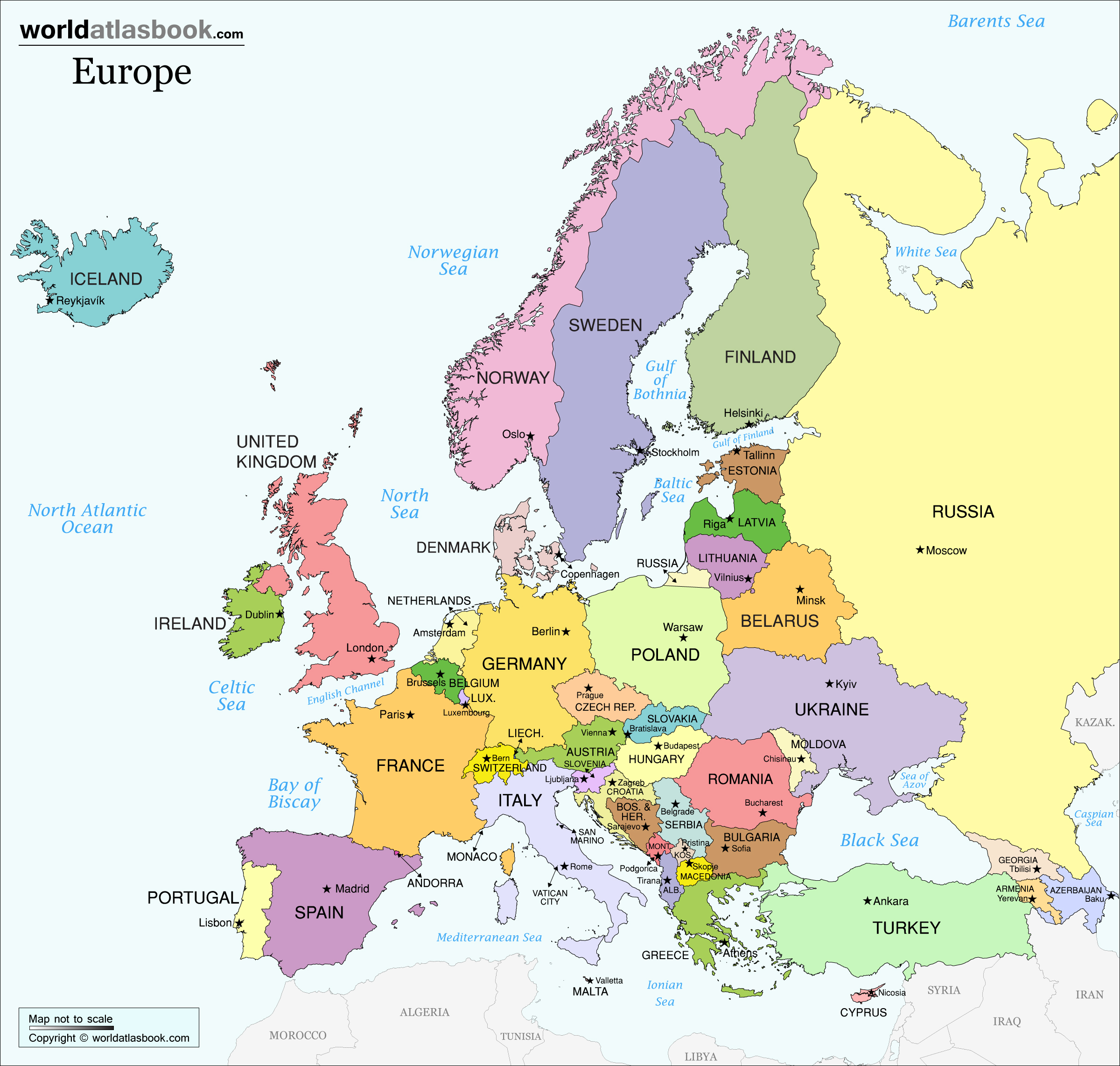
As of early July, a persistent high-pressure system has locked in record-breaking heat across much of Western Europe. The UK Met Office forecasts London to reach 38°C, a threshold rarely breached in the region’s history. Meanwhile, France’s national weather agency reported that the night of July 12 saw temperatures remain above 25°C, marking the highest nocturnal temperature since records began. These conditions have triggered heat advisories, disrupted transportation, and raised concerns over public health.
The UN Secretary-General, addressing a climate summit, directly linked the crisis to the continued use of fossil fuels. “The science is clear: the burning of coal, oil, and gas is accelerating the climate emergency,” he stated, urging nations to accelerate the transition to renewable energy sources. His remarks come amid a broader global debate on how to balance economic growth with environmental sustainability.
Key Details: Temperature Records and Regional Impact
The heatwave has affected multiple European nations, with specific impacts varying by region:

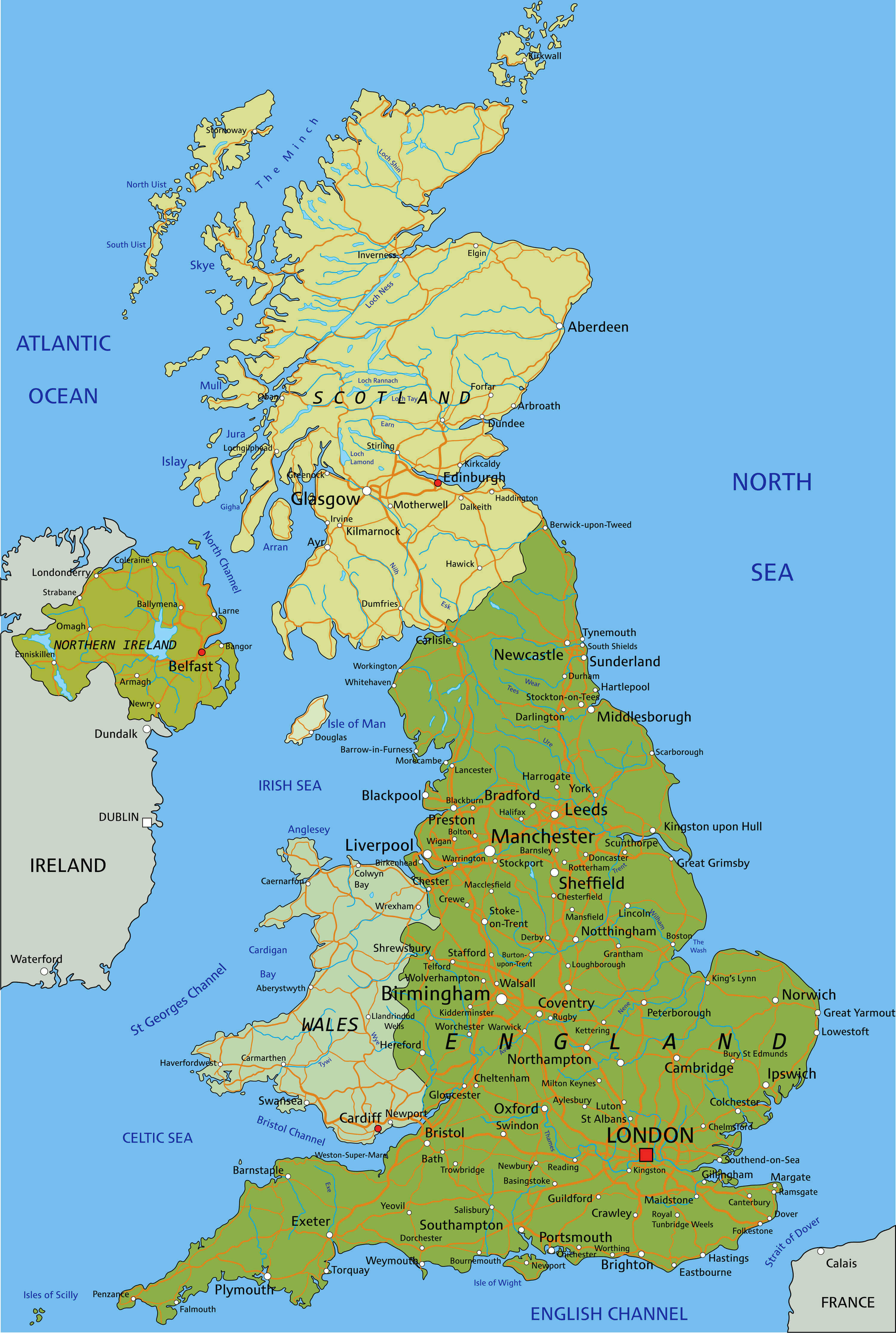
- United Kingdom: London’s projected 38°C reading would surpass the previous high of 37.9°C set in 2019. Cities like Birmingham and Manchester are also expected to see temperatures exceed 35°C, straining energy grids and emergency services.
- France: The nation’s meteorological service confirmed that the night of July 12 saw temperatures remain above 25°C, breaking a record that had stood since 1976. This prolonged warmth has led to wildfires in southern regions and increased demand for cooling infrastructure.
- Germany and Spain: Both countries have reported temperatures exceeding 36°C, with Spain’s Iberian Peninsula experiencing some of the most intense heat. Agricultural sectors, particularly vineyards and olive groves, face significant risks from drought conditions.
The European Environment Agency (EEA) notes that the current heatwave aligns with a trend of increasing frequency and severity of extreme weather events. “Historically, such conditions were rare in July, but recent years show a clear shift,” a spokesperson said, citing data from the past decade.
Global Reactions and Expert Perspectives
The UN chief’s warnings have been echoed by climate scientists and policymakers across Europe. Dr. Elena Martínez, a climatologist at the University of Barcelona, explained that the heatwave exemplifies the “feedback loops” of climate change. “Warmer temperatures increase the likelihood of prolonged heat events, which in turn exacerbate droughts and wildfires,” she said.
Public response has been mixed. While some citizens have praised the government’s proactive measures, including extended cooling centers and water rationing, others criticize the lack of long-term infrastructure investment. “We’re reacting to crises rather than planning for them,” said a London resident, who requested anonymity due to concerns about political backlash.
International organizations have also weighed in. The World Health Organization (WHO) issued a statement urging governments to prioritize vulnerable populations, including the elderly and those with preexisting health conditions. “Heat is a silent killer, and without targeted interventions, the death toll could rise dramatically,” the WHO warned.
Climate Context: Fossil Fuels and the Urgency for Action
The UN Secretary-General’s remarks highlight a central debate: the role of fossil fuels in exacerbating climate change. According to a 2023 report by the International Energy Agency (IEA), global carbon dioxide emissions from energy production reached a record high in 2022, driven largely by coal use in Asia and oil consumption in the Global South.
Experts argue that the current heatwave serves as a “wake-up call” for policymakers. “Every degree of warming brings more severe consequences,” said Dr. Amina Jallow, a climate policy analyst at the Stockholm Environment Institute. “The window to limit global temperature rise to 1.5°C is rapidly closing.”
In response, several European nations have announced plans to accelerate their renewable energy transitions. Germany, for example, has pledged to phase out coal by 2030, while the Netherlands has expanded offshore wind capacity. However, critics argue that these measures remain insufficient given the scale of the crisis.
Public Health and Infrastructure Challenges
The heatwave has placed immense pressure on healthcare systems. Hospitals in the UK and France report increased admissions for heat-related illnesses, including dehydration and heatstroke. In Paris, emergency services have deployed additional ambulances to manage the surge in calls.
Infrastructure has also faced challenges. High temperatures have caused rail tracks to buckle, leading to delays and cancellations across major routes. Energy providers in
