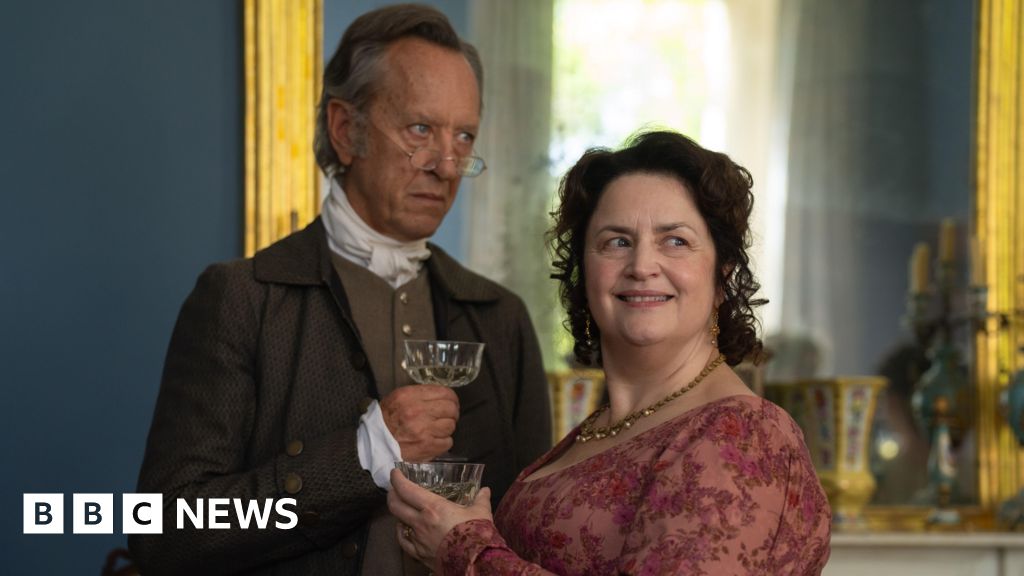
The Other Bennet Sister to Return for Christmas TV Special on BBC
The BBC has confirmed that the Jane Austen-inspired drama The Other Bennet Sister will return for a Christmas TV special. This follows the conclusion of the initial series, produced for Masterpiece, which centers on the life and romantic struggles of Mary Bennet, the often-overlooked middle sister of the famous Bennet family.
What is the status of The Other Bennet Sister Christmas special?
The BBC is bringing The Other Bennet Sister back to screens for a holiday event. According to Yahoo, the drama is returning as a Christmas special, continuing the narrative established in the Masterpiece production. While the main series has concluded its primary run, the network opted for a seasonal return to expand on the character arcs and resolution of the plot.
This decision follows the reception of the series, which shifted the focus away from Elizabeth and Jane Bennet to explore the internal life of Mary. The Christmas special is expected to provide a thematic wrap-up or a new chapter for the characters, adhering to the BBC’s long-standing tradition of airing high-profile period dramas during the December holiday window.
The Finale Shock: Mary Bennet’s Reaction to Mr. Hayward
The momentum for the Christmas special follows a high-tension series finale. People.com reports that the finale featured a significant surprise when Mary Bennet punched Mr. Hayward. This physical confrontation occurred while Mr. Hayward was delivering an emotional apology to Mary.
The incident marks a sharp departure from the traditional, reserved demeanor associated with Mary Bennet in most Jane Austen adaptations. By depicting Mary reacting with physical aggression rather than passive acceptance, the series establishes a more modern and assertive version of the character. This climax leaves several narrative threads open, which the upcoming BBC special is positioned to address.
Key dynamics from the finale include:
- The Apology: Mr. Hayward attempted to reconcile with Mary through an emotional plea.
- The Reaction: Mary responded by punching him, signaling a breaking point in her emotional endurance.
- The Aftermath: This act of defiance serves as the primary cliffhanger leading into the holiday special.
How does The Other Bennet Sister series differ from the book?
The television adaptation takes significant liberties with its source material. Town & Country Magazine notes that the series differs from the book in several key areas, primarily in how it develops Mary Bennet’s agency and her romantic trajectory.
In Jane Austen’s original Pride and Prejudice, Mary is often portrayed as a pedantic and socially awkward figure who remains largely in the shadow of her sisters. The series, however, elevates her to a protagonist with a complex emotional inner life. The narrative shift transforms Mary from a comedic foil into a character capable of driving the plot forward through her own decisions and conflicts.
The following table outlines the primary contrasts between the traditional portrayal of Mary Bennet and the version seen in the BBC/Masterpiece series:
| Feature | Traditional Book Portrayal | Series Adaptation |
|---|---|---|
| Role in Plot | Secondary/Supporting character | Central Protagonist |
| Personality | Pedantic and reserved | Emotionally complex and assertive |
| Romantic Arc | Minimal to nonexistent | Central focus involving Mr. Hayward |
| Conflict Resolution | Passive acceptance | Active (e.g., the finale punch) |
Production details and episode timeline
The structure of the series was designed for a serialized rollout. According to Decider, the series consists of 10 episodes. The release of Episode 10 served as the finale, setting the stage for the subsequent Christmas special announcement.
The distribution of the show across Masterpiece and the BBC highlights a co-production strategy often used for high-budget period dramas to ensure international reach. By splitting the content into a 10-episode arc followed by a standalone special, the producers maintain viewer engagement over a longer period while utilizing the high-traffic Christmas broadcasting slot for a final resolution.
For those tracking the release, the timeline moved from the weekly rollout of the 10 episodes toward the December window for the special. See the FAQ section below for more details on viewing availability.
Why the focus on ‘The Other’ Bennet Sister matters
The decision to center a series on Mary Bennet reflects a broader trend in contemporary adaptations of classic literature. By focusing on a marginalized character, the BBC and Masterpiece are tapping into a demand for “revisionist” period dramas. These stories often seek to provide voice and depth to characters who were originally designed to be stereotypes or plot devices.
This approach allows the writers to explore themes of invisibility, intellectual loneliness, and the pressures of societal expectations in the Regency era from a different perspective. While Elizabeth Bennet represents the rebellion of wit, Mary represents the struggle of the “unseen” daughter. The shock ending—specifically the punch reported by People.com—symbolizes the breaking of those restrictive social and character molds.
Industry analysts suggest that this strategy increases the longevity of the Jane Austen brand. By expanding the universe of Pride and Prejudice to include focused studies on secondary characters, networks can produce fresh content without needing to rewrite the core plot of the original novel.
The impact of the Masterpiece and BBC partnership
The collaboration between the BBC and Masterpiece (PBS) is a critical component of the show’s success. This partnership typically allows for higher production values, including authentic costume design and location filming in the UK, which are hallmarks of the “Austen aesthetic.”
The move to bring the show back for a Christmas special suggests strong viewership metrics. Period dramas frequently peak during the holiday season, as audiences seek “comfort viewing” combined with high drama. The juxtaposition of a festive setting with the unresolved tension between Mary and Mr. Hayward creates a compelling hook for the holiday audience.
Potential narrative directions for the special may include:
- Reconciliation: Whether Mr. Hayward’s emotional apology can be salvaged after the physical altercation.
- Family Dynamics: How the rest of the Bennet family reacts to Mary’s sudden assertiveness.
- Social Consequences: The impact of Mary’s public or private outbursts on her standing in society.
Comparing the narrative arcs of the Bennet sisters
While the series focuses on Mary, it inevitably interacts with the established arcs of Elizabeth and Jane. The contrast between these sisters provides the emotional backbone of the show. Where Elizabeth’s journey is one of overcoming prejudice and Jane’s is one of enduring kindness, Mary’s journey is presented as one of self-discovery and the reclamation of identity.
By placing Mary at the center, the series re-contextualizes the other sisters. They are no longer the primary drivers of the story but are instead viewed through Mary’s eyes—often as figures of unattainable perfection or effortless grace. This perspective shift adds a layer of psychological depth that is absent in the original novel’s treatment of Mary.
The inclusion of a Christmas special further emphasizes this shift. Traditionally, Austen’s stories conclude with weddings and social integration. A special focused on Mary’s aftermath suggests a more modern interest in emotional healing and personal boundaries over simple matrimonial resolution.
Common misconceptions about the adaptation
One common misconception is that The Other Bennet Sister is a direct retelling of Pride and Prejudice. In reality, it functions more as a spin-off or a complementary narrative. As Town & Country Magazine points out, the differences in characterization and plot are intentional, designed to create a distinct experience rather than a replica of the book.
Another point of confusion involves the episode count. Some viewers expect a standard three- or six-episode miniseries common to BBC period dramas. However, as Decider confirms, the 10-episode format allows for a slower burn and more detailed character development, which is necessary to make a secondary character like Mary the lead.
Finally, the “punch” in the finale is often mistaken for a tonal shift toward comedy. However, based on the reporting from People.com, the act is framed as a reaction to an “emotional apology,” suggesting it is a moment of genuine dramatic catharsis rather than a gag.
Frequently Asked Questions
When will The Other Bennet Sister Christmas special air?
While the BBC has confirmed the return for a Christmas TV special, the exact date and time are typically announced closer to the December broadcast window. Viewers should monitor official BBC scheduling updates.
How many episodes are in the main series?
According to Decider, there are 10 episodes in the primary series of The Other Bennet Sister.

Does the show follow the book exactly?
No. Town & Country Magazine reports that the series differs significantly from the book, particularly in its portrayal of Mary Bennet’s personality and her role in the story.
What happened between Mary and Mr. Hayward in the finale?
People.com reports that in a surprise finale twist, Mary punched Mr. Hayward while he was giving her an emotional apology.
Where can I watch The Other Bennet Sister?
The series is a co-production between the BBC and Masterpiece, meaning it is available through BBC channels in the UK and via PBS Masterpiece in the United States.
The return of The Other Bennet Sister for a holiday special indicates a strong appetite for stories that challenge the traditional boundaries of classic literature. By centering the narrative on the most overlooked member of the Bennet family, the BBC continues to find new ways to keep Jane Austen’s work relevant for a modern audience.
