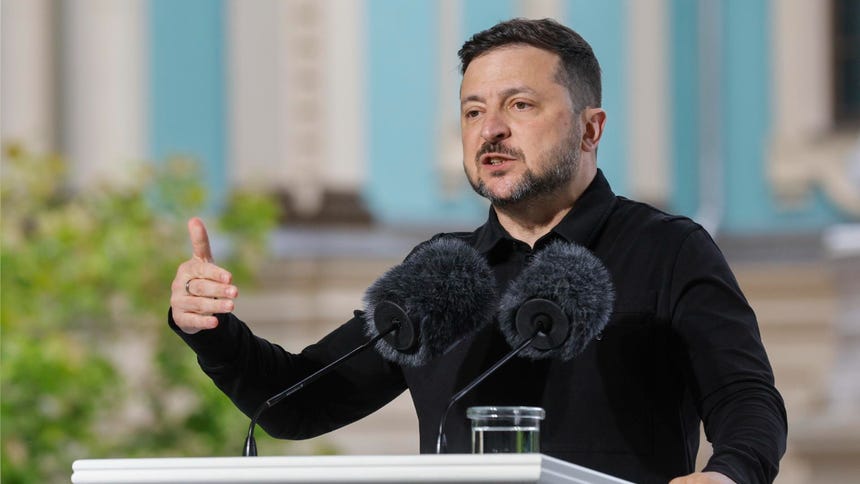
Ukrainian forces launched their largest drone attack on Moscow since the war began, prompting President Volodímir Zelenskiy to warn that if Ukraine is burned, “so will Moscow.” The assault, reported by multiple international outlets including CNN and BBC, marks a significant escalation in the conflict that has lasted nearly two years. Russian authorities have since threatened retaliatory strikes against Ukrainian cities, according to local media reports.
Escalation in the Conflict
The attack, described as “massive” by Ukrainian officials, targeted key infrastructure in the Russian capital. Zelenskiy’s statement, cited by multiple news organizations, underscores the rhetoric of mutual destruction that has characterized the war’s most intense phases. “If Ucrania arde, su Moscú también arderá,” he said, a phrase translated to “If Ukraine burns, so will their Moscow.” The president’s remarks were broadcast through official channels, aligning with his repeated emphasis on the war’s existential stakes for both nations.

Russian state media reported that the attack caused “limited damage” but highlighted the country’s readiness to respond with “more bombings” against Ukrainian territory. The Kremlin has not yet provided specific details about casualties or infrastructure damage, but regional authorities in Ukraine have confirmed the scale of the operation. Analysts note that the attack reflects Ukraine’s growing capacity to strike deep into Russian territory, a shift that has altered the war’s strategic balance.
International Reactions
The assault has drawn attention from global diplomatic circles, with NATO and the European Union calling for de-escalation. A statement from the EU’s foreign policy chief emphasized the need for “immediate restraint” to prevent further civilian harm. Meanwhile, the United States reiterated its support for Ukraine’s right to self-defense, though it avoided direct commentary on the attack’s tactical implications.
Regional stability remains a concern, as the attack could provoke a broader militarization of the conflict. The International Crisis Group warned that “the risk of unintended escalation has increased,” citing the potential for retaliatory strikes to disrupt fragile ceasefires in eastern Ukraine. The group also highlighted the humanitarian toll, noting that recent offensives have displaced over 10 million people since 2022.
What’s Next
Russian officials have indicated they may increase bombing campaigns against Ukrainian cities, a move that could further strain the country’s defense capabilities. Meanwhile, Zelenskiy’s office has called for renewed international aid, emphasizing the need for advanced weaponry and financial support. The coming days will likely see intensified diplomatic efforts, with the UN Security Council scheduled to hold an emergency session on the situation.
