
Israel demarcates expanded Lebanon occupation zone, challenging US-Iran pact – Reuters
Israel has demarcated an expanded occupation zone within Lebanon, a move Reuters reports challenges a diplomatic pact between the United States and Iran. This territorial expansion signals a strategic shift by the Israeli government to create a physical buffer against Iranian-backed proxies, directly contradicting the framework of the US-Iran agreement intended to stabilize the region.
What is the expanded Lebanon occupation zone?
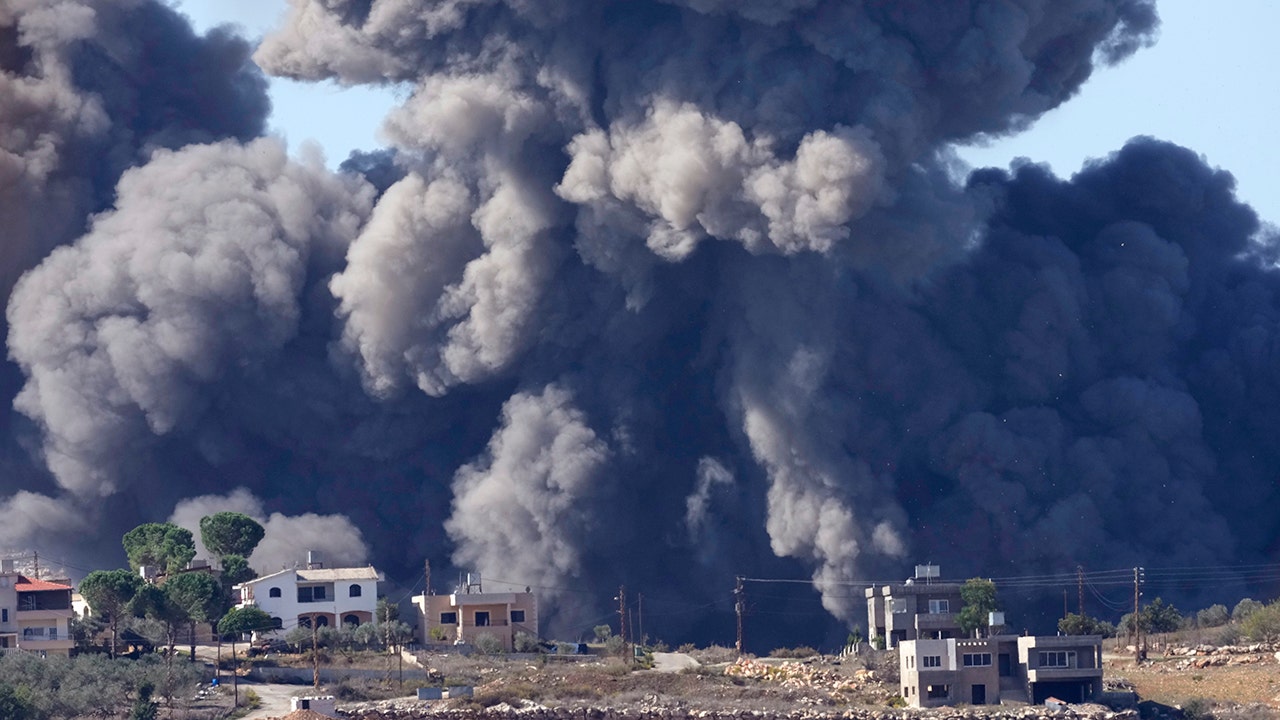
According to reporting by Reuters, the Israeli military has moved to redefine and expand the boundaries of its presence in southern Lebanon. This demarcation involves the establishment of a wider security zone, designed to push Hezbollah forces further from the Israeli border and create a controlled perimeter that allows the Israel Defense Forces (IDF) greater operational freedom.
The expansion is not merely a tactical military shift but a geopolitical statement. By formally demarcating this zone, Israel is asserting a physical claim to security that overrides previous diplomatic understandings. This action directly challenges the US-Iran pact, which sought to limit escalations and maintain existing borders to prevent a wider regional war.
- Primary Objective: To neutralize the threat of cross-border incursions by Iranian-backed militias.
- Strategic Method: Physical demarcation of territory to establish a “security belt.”
- Diplomatic Impact: A direct challenge to the US-led effort to maintain a fragile peace via the Iran pact.
Why this move challenges the US-Iran pact
The US-Iran pact was designed as a mechanism to constrain Iranian influence in the Levant and prevent the proliferation of advanced weaponry to groups like Hezbollah. By unilaterally expanding its occupation zone in Lebanon, Israel is signaling that it no longer views US-mediated agreements with Tehran as sufficient guarantees for its national security.
The New York Times reports that Israel views the US-Iran deal not as a solution, but as a “catastrophic capitulation.” From the perspective of the Israeli security establishment, the pact provides Iran with too much diplomatic breathing room and fails to impose strict enough constraints on its regional proxies. The demarcation in Lebanon serves as a physical rejection of this diplomatic architecture.
This tension creates a paradox in US foreign policy. While the US attempts to use the pact to prevent a direct conflict between Iran and the West, Israel’s territorial movements in Lebanon increase the risk of a direct clash with Hezbollah, which is funded and directed by Tehran.
Is the US-Iran deal a ‘political nightmare’ for Netanyahu?
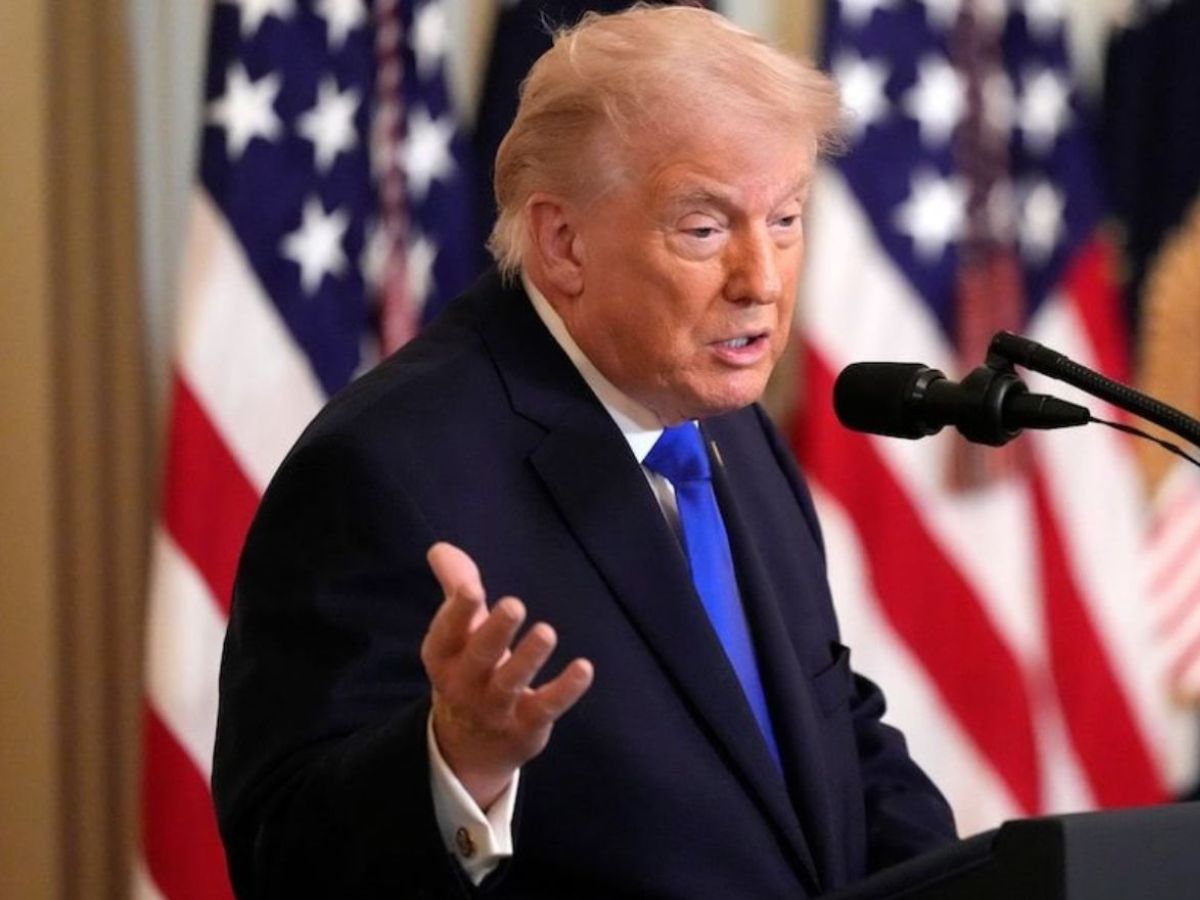
Analysts cited by Dawn suggest that the US-Iran agreement has evolved into a “political nightmare” for Prime Minister Benjamin Netanyahu. The Prime Minister faces a precarious balancing act between maintaining a strategic alliance with the United States and satisfying a domestic coalition that is increasingly hostile toward any form of diplomacy with Iran.
Netanyahu’s political survival depends heavily on the support of right-wing and ultra-nationalist parties. For these factions, any US-Iran pact is seen as a betrayal of Israeli security interests. The expanded occupation zone in Lebanon is widely viewed as a move to appease these domestic hawks by demonstrating a “security-first” approach that prioritizes territorial control over diplomatic compromise.
| Stakeholder | View of US-Iran Pact | Primary Goal |
|---|---|---|
| Israeli Government | “Catastrophic Capitulation” | Total containment of Iran/Hezbollah |
| US Administration | Stabilization Tool | Prevention of regional war |
| Israeli Ultra-Hawks | Betrayal | Aggressive territorial/military deterrence |
| Iran/Hezbollah | Diplomatic Leverage | Removal of Israeli presence in Lebanon |
The role of the ‘Ultra-Hawks’ in Israeli policy
The internal pressure driving these territorial changes is rooted in a specific ideological faction. The New Yorker highlights the emergence of “Ultra-Hawks” within the Israeli political sphere who feel fundamentally betrayed by the nature of US-Iran diplomacy. These figures argue that the US has consistently underestimated the Iranian regime’s intentions and has prioritized global stability over Israel’s existential survival.
These hawks believe that diplomatic pacts are temporary and fragile, whereas territorial control and military superiority are permanent. The demarcation of the expanded zone in Lebanon is a manifestation of this ideology. By creating a physical barrier and occupation zone, these leaders aim to move away from a reliance on US guarantees and toward a policy of self-reliant deterrence.
This shift has created a rift within the Israeli security apparatus, where some veteran diplomats still favor the US-led framework, while the political leadership leans toward the hawks’ preference for unilateral action.
How US pro-Israel hawks are reacting to the Iran MoU
The friction is not limited to Jerusalem. In the United States, pro-Israel hawks are similarly divided. Al Jazeera reports that while many of these figures criticize the Iran Memorandum of Understanding (MoU) and the broader pact, they have largely avoided a direct public clash with the Trump administration’s approach.
These US-based hawks find themselves in a difficult position. They view the diplomatic concessions made to Iran as dangerous, yet they recognize the political necessity of remaining aligned with the US executive branch. Their criticism is often framed as a concern for “regional stability” and “Israeli security,” but they stop short of open rebellion against the administration’s overarching strategy.
This cautious approach in the US contrasts sharply with the boldness of the Israeli government’s actions on the ground. While US hawks whisper their disapproval in corridors of power, the IDF is physically demarcating new zones in Lebanon, effectively forcing the US to either accept the new reality or clash with its closest regional ally.
Key points of the US-Israel diplomatic friction:
- Divergent Goals: The US seeks a managed equilibrium; Israel seeks the total degradation of Iranian power.
- Tactical Defiance: Israel’s expansion in Lebanon is a tactical move to signal that it will not be bound by pacts it did not sign.
- Political Constraints: Netanyahu is constrained by right-wing coalition partners who view diplomacy as weakness.
Long-term implications for Lebanon and regional stability
The demarcation of an expanded occupation zone has immediate and long-term consequences for the Lebanese state. Lebanon, already struggling with economic collapse and political paralysis, finds its sovereignty further eroded. The presence of Israeli forces in an expanded zone increases the likelihood of skirmishes, which could rapidly escalate into a full-scale conflict.
Furthermore, this move complicates the role of the United Nations Interim Force in Lebanon (UNIFIL). The UN mission is tasked with confirming the withdrawal of foreign forces and ensuring the area is free of unauthorized armed personnel. An expanded, demarcated Israeli zone creates a new “grey area” where UN mandates clash with Israeli military objectives.
If the US-Iran pact is successfully challenged and dismantled by these incremental Israeli moves, the region may return to a state of “unmanaged competition.” This would mean that instead of a diplomatic framework governing the behavior of Iran and its proxies, the primary mode of interaction would be direct military confrontation and territorial disputes.
Related explainer on Hezbollah’s military structure and Iranian funding may provide further context on why Israel views this zone as necessary.
Common misconceptions about the Lebanon demarcation
One common misconception is that this is a temporary military maneuver. However, the act of demarcating the zone suggests a more permanent intent. Demarcation involves the setting of boundaries, often with physical markers or formal military maps, which signals a shift from a temporary operation to a long-term occupation strategy.
Another misunderstanding is that the US is fully supportive of this expansion. While the US generally supports Israel’s right to defend itself, the Reuters report makes it clear that this specific move challenges a US-led pact. This indicates a significant gap between the US administration’s diplomatic goals and the Israeli government’s operational reality.
Finally, some observers believe this move is solely about Hezbollah. In reality, it is as much about Iran as it is about the militia in Lebanon. By challenging the US-Iran pact through territorial expansion, Israel is attempting to rewrite the rules of engagement for the entire “Axis of Resistance.”
Comparing diplomatic and military approaches to Iranian influence
| Approach | Mechanism | Expected Outcome | Primary Risk |
|---|---|---|---|
| Diplomatic (US Pact) | MoUs, Sanctions, Treaties | Containment and gradual stability | Perceived weakness, Iranian cheating |
| Military (Israel Zone) | Demarcation, Occupation, Buffers | Immediate physical security | Direct war, International condemnation |
Frequently Asked Questions
What does it mean that Israel “demarcated” a zone?
Demarcation is the process of marking the physical boundaries of a territory. In this context, it means the Israeli military has formally defined the limits of its expanded presence in Lebanon, moving beyond temporary patrols to a structured occupation zone.

How does this affect the US-Iran pact?
The US-Iran pact was designed to limit regional escalations and maintain a specific status quo. By unilaterally expanding its footprint in Lebanon, Israel is ignoring the spirit and potentially the terms of the agreement, signaling that it does not recognize the pact as a valid security guarantee.
Who are the “Ultra-Hawks” mentioned in these reports?
The “Ultra-Hawks” are a faction of hardline Israeli politicians and security figures who believe that diplomacy with Iran is futile. They advocate for aggressive military action and territorial control to ensure Israel’s survival, often feeling that the US is too lenient toward Tehran.
Will this lead to a full-scale war in Lebanon?
While not inevitable, the expansion of the occupation zone increases the risk of conflict. It places Israeli forces in closer or more frequent contact with Hezbollah, and since Hezbollah is backed by Iran, any clash could trigger the very regional war the US-Iran pact was designed to prevent.
Why is this described as a ‘political nightmare’ for Netanyahu?
Benjamin Netanyahu must satisfy two opposing forces: the US government, which wants him to adhere to diplomatic frameworks, and his own right-wing coalition, which demands a hardline military approach. The US-Iran pact forces him to choose between these two, making his political position unstable.
The current trajectory suggests that the physical reality on the ground in Lebanon will continue to outpace the diplomatic efforts in Washington and Tehran. As Israel reinforces its expanded zone, the viability of the US-Iran pact will be tested by the reality of military demarcation and the demands of Israeli domestic politics.
