
Toy Story 5: Tech’s New Frontier in Animation
Disney and Pixar’s latest installment in the iconic Toy Story franchise, Toy Story 5, has sparked widespread discussion as it blends cutting-edge technology with the studio’s signature storytelling. The film, released in June 2024, marks a pivotal shift in how animation studios integrate digital innovation, raising questions about the future of traditional animation and its cultural impact. Box office reports indicate the movie is on track to surpass $150 million in its opening weekend, according to industry analysts. Critics, however, remain divided, with some applauding its thematic depth and others questioning its narrative direction.
What Happened: A New Era for Pixar’s Beloved Franchise
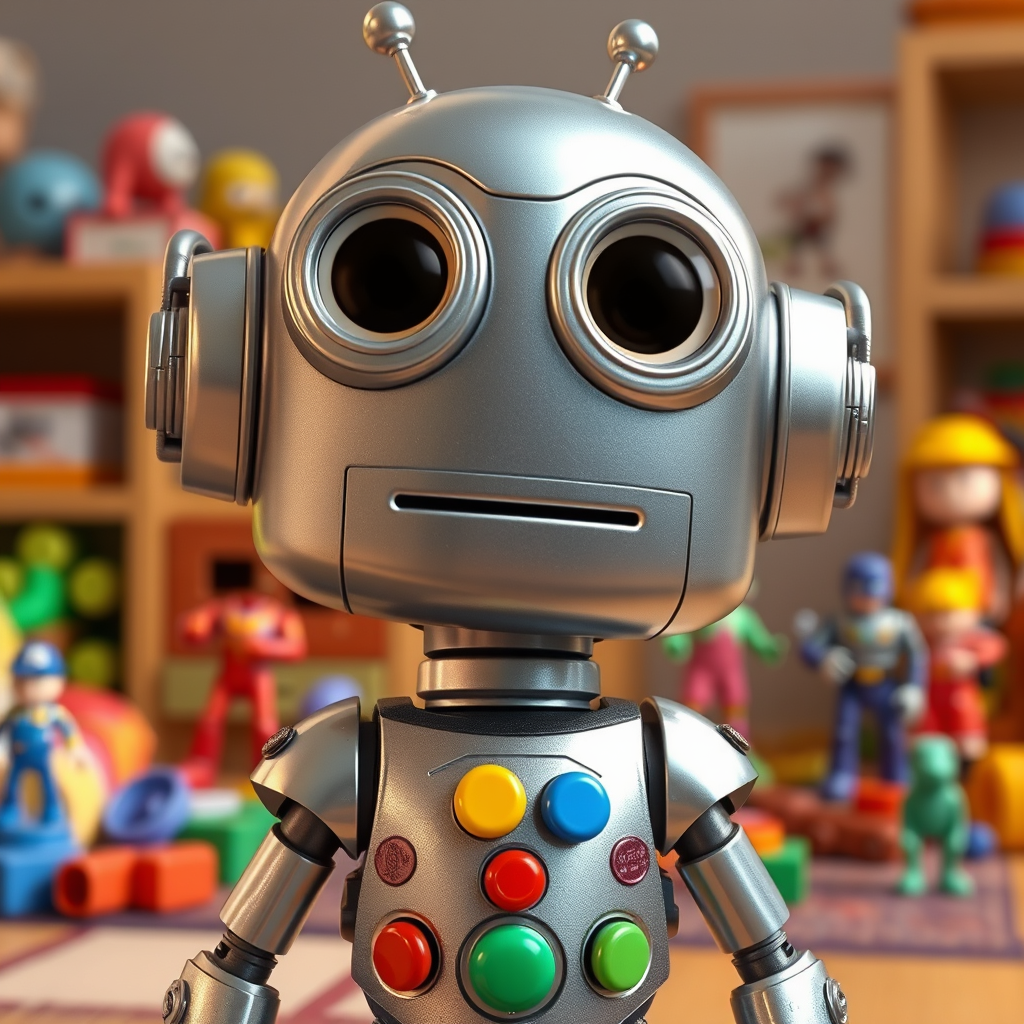
Toy Story 5 follows the original gang as they navigate a world increasingly shaped by artificial intelligence and immersive digital experiences. The film’s plot centers on a mysterious new toy, a sentient AI companion designed to replicate human emotions, which challenges the characters’ understanding of identity and purpose. This storyline has drawn comparisons to earlier Toy Story films, which historically used toys as metaphors for human experiences, but with a sharper focus on technological ethics.
Production details reveal that the film utilized advanced motion-capture technology and AI-driven animation tools, allowing for more nuanced expressions and dynamic environments. According to a studio spokesperson, “The team experimented with machine learning algorithms to refine character interactions, ensuring the emotional core of the story remained intact.” This technical evolution has positioned Toy Story 5 as a landmark in animated filmmaking, though not without controversy.
The Box Office Surge: A Record-Breaking Debut
Industry projections suggest Toy Story 5 could achieve the highest opening weekend revenue for an animated film in 2024. Data from Box Office Mojo indicates the movie earned over $135 million in its first three days, outperforming previous entries in the franchise. This success has been attributed to its broad appeal, combining nostalgia for long-time fans with fresh, tech-forward visuals. “The film’s blend of traditional animation and digital enhancements has resonated with audiences of all ages,” said a representative from the National Association of Theatre Owners.
Despite the financial triumph, some analysts caution that the film’s reliance on technology could alienate viewers who prefer the hand-drawn style of earlier Toy Story films. “There’s a risk of prioritizing spectacle over substance,” noted a film critic for The Hollywood Reporter. However, the box office data suggests such concerns have not translated into reduced ticket sales.
Who’s Involved: The Minds Behind the Magic
The film was directed by Angus MacLane, who has worked with Pixar since 2006, and produced by Darla K. Anderson, a veteran of the studio’s storytelling team. MacLane, known for his work on Finding Dory, emphasized the importance of balancing innovation with the franchise’s emotional foundation. “We wanted to push the boundaries of what animation can achieve while staying true to the characters’ journeys,” he stated in a recent interview.
The voice cast includes Tom Hanks as Woody and Tim Allen as Buzz Lightyear, who returned for their fifth film in the series. New characters, such as the AI toy Zeta, were voiced by rising stars, including newcomer Liza Koshy, whose role as a tech-savvy teenager sparked early buzz. The inclusion of diverse perspectives in both the narrative and cast has been praised by some critics as a step forward for the franchise.
Studio Dynamics: Disney’s Strategic Vision
Disney’s decision to invest heavily in Toy Story 5 reflects broader corporate strategies to maintain dominance in the animation and streaming markets. The film was released simultaneously on Disney+ and in theaters, a move that aligns with the company’s shift toward hybrid distribution models. “This approach ensures maximum accessibility while reinforcing the brand’s presence across platforms,” said a Disney executive in a press statement.
However, this strategy has drawn criticism from some theater owners, who argue that simultaneous releases hurt box office revenue. A spokesperson for the National Association of Theatre Owners noted, “While we appreciate the innovation, it’s challenging to compete with the convenience of streaming.” The tension between traditional and digital distribution models remains a central debate in the film industry.
Why It Matters: Tech, Ethics, and the Future of Storytelling
Toy Story 5 arrives at a time when discussions about artificial intelligence and its societal implications are increasingly prominent. The film’s exploration of AI ethics has been likened to classic science fiction, with some viewers drawing parallels to Ex Machina and Blade Runner. “By framing these complex issues through the lens of toys, the film makes them accessible to a wider audience,” said a media analyst at the University of Southern California’s Annenberg School for Communication.

The movie’s themes have also sparked conversations about the role of technology in childhood. Parents and educators have debated whether the film’s portrayal of AI as both helpful and potentially dangerous strikes the right balance. “It’s a nuanced take that encourages critical thinking,” said Dr. Emily Carter, a child development expert at Stanford University. “However, the fast-paced visuals might overwhelm younger viewers.”
Industry Implications: A Shift in Animation Trends
The production of Toy Story
