
UK Considers Easing Steel Tariffs Amid Industry Concerns Over Rising Costs
The United Kingdom is reportedly considering adjustments to its steel import tariffs, a move that has sparked significant debate among manufacturers and industry stakeholders. The potential policy shift comes as construction firms and other sectors voice concerns over the financial strain of current regulations, which they argue could stifle growth and increase project costs. While the government has not officially confirmed the changes, multiple industry reports suggest a review is underway, raising questions about the balance between domestic production support and economic efficiency.
The Policy Shift Under Scrutiny
Recent developments indicate that the UK government is evaluating its approach to steel tariffs, a critical component of its trade policy. According to a statement from a government official, the review aims to address “the evolving needs of the manufacturing sector while ensuring fair competition.” However, the specifics of the proposed changes remain unclear, leaving businesses in a state of uncertainty.

The steel industry has long been a focal point of trade discussions, with tariffs often used as a tool to protect domestic producers from cheaper foreign imports. Historically, these measures have been justified as necessary to sustain local jobs and maintain industrial capacity. However, critics argue that such protections can lead to higher costs for downstream industries, including construction and automotive, which rely heavily on steel.
Industry Reactions and Concerns
Manufacturers and construction companies have been vocal about their apprehensions. The UK Construction Industry Association (CIA) issued a statement highlighting the potential impact of any tariff adjustments. “Steel is a fundamental material for infrastructure and housing projects,” the association noted. “Any changes to its cost structure could have a ripple effect across the economy, particularly in an already fragile housing market.”
Specifically, the construction sector has expressed fears that increased steel prices could delay housing developments. A report by the National Housing Federation (NHF) warned that rising material costs could lead to a 10-15% increase in the price of new homes, exacerbating an existing shortage of affordable housing. “This is not just about numbers,” said a spokesperson for the NHF. “It’s about the lives of thousands of people waiting for a place to call home.”
Background and Context
The UK’s steel tariff policy has evolved significantly in recent years, influenced by both domestic and global factors. Following Brexit, the government sought to reassert control over trade regulations, leading to a series of adjustments that aimed to bolster local steel production. However, these measures have faced criticism for their unintended consequences on industries reliant on imported steel.

One of the key drivers behind the current review is the global steel market’s volatility. Fluctuating prices and supply chain disruptions have made it increasingly difficult for UK businesses to plan long-term strategies. The World Steel Association (WSA) reported that global steel prices rose by 20% in the past year, driven by factors such as geopolitical tensions and increased demand from emerging markets.
Additionally, the UK’s commitment to net-zero emissions has added another layer of complexity. Steel production is a major contributor to carbon emissions, and the government has been under pressure to support cleaner manufacturing processes. Some industry experts argue that tariff adjustments could be an opportunity to incentivize the adoption of green technologies, but others caution that such measures may not be feasible without significant investment.
Stakeholders and Their Positions
The debate over steel tariffs involves a diverse array of stakeholders, each with their own priorities and concerns. On one side, domestic steel producers advocate for maintaining or even increasing tariffs to protect their businesses from foreign competition. They argue that without such protections, the UK could face a decline in its steel manufacturing sector, leading to job losses and a reliance on imports.
On the other side, businesses that rely on steel imports, such as construction and automotive companies, are pushing for more flexible policies. These groups emphasize the importance of competitive pricing and the need to remain globally competitive. A representative from the UK Automotive Association (UKAA) stated, “We need a level playing field. High tariffs on steel could make our products less competitive in international markets, which would hurt exports and domestic sales.”
Government officials have also weighed in, with some calling for a balanced approach. A spokesperson for the Department for Business and Trade (DBT) said, “We are committed to supporting the steel industry while ensuring that other sectors are not unduly burdened. This review is an opportunity to find a solution that benefits all stakeholders.”
Implications and Future Outlook
The potential easing of steel tariffs could have far-reaching implications for the UK economy. In the short term, it may lead to lower steel prices, which could benefit construction and manufacturing sectors. However, the long-term effects remain uncertain, particularly if the policy is not accompanied by measures to support domestic steel producers.
Economists have highlighted the need for a comprehensive strategy that addresses both the immediate financial pressures on businesses and the long-term sustainability of the steel industry. Dr. Emily Carter, an economic analyst at the London School of Economics, noted, “A one-size-fits-all approach to tariffs is unlikely to be effective. What’s needed is a nuanced policy that takes into account the specific needs of different sectors and the broader economic context.”
Looking ahead, the outcome of the government’s review will be closely watched by industry leaders and policymakers. If the UK decides to ease tariffs, it could set a precedent for other countries facing similar challenges. Conversely, maintaining or increasing tariffs could lead to further economic strain on sectors reliant on imported steel.
Comparative Insights and Global Trends
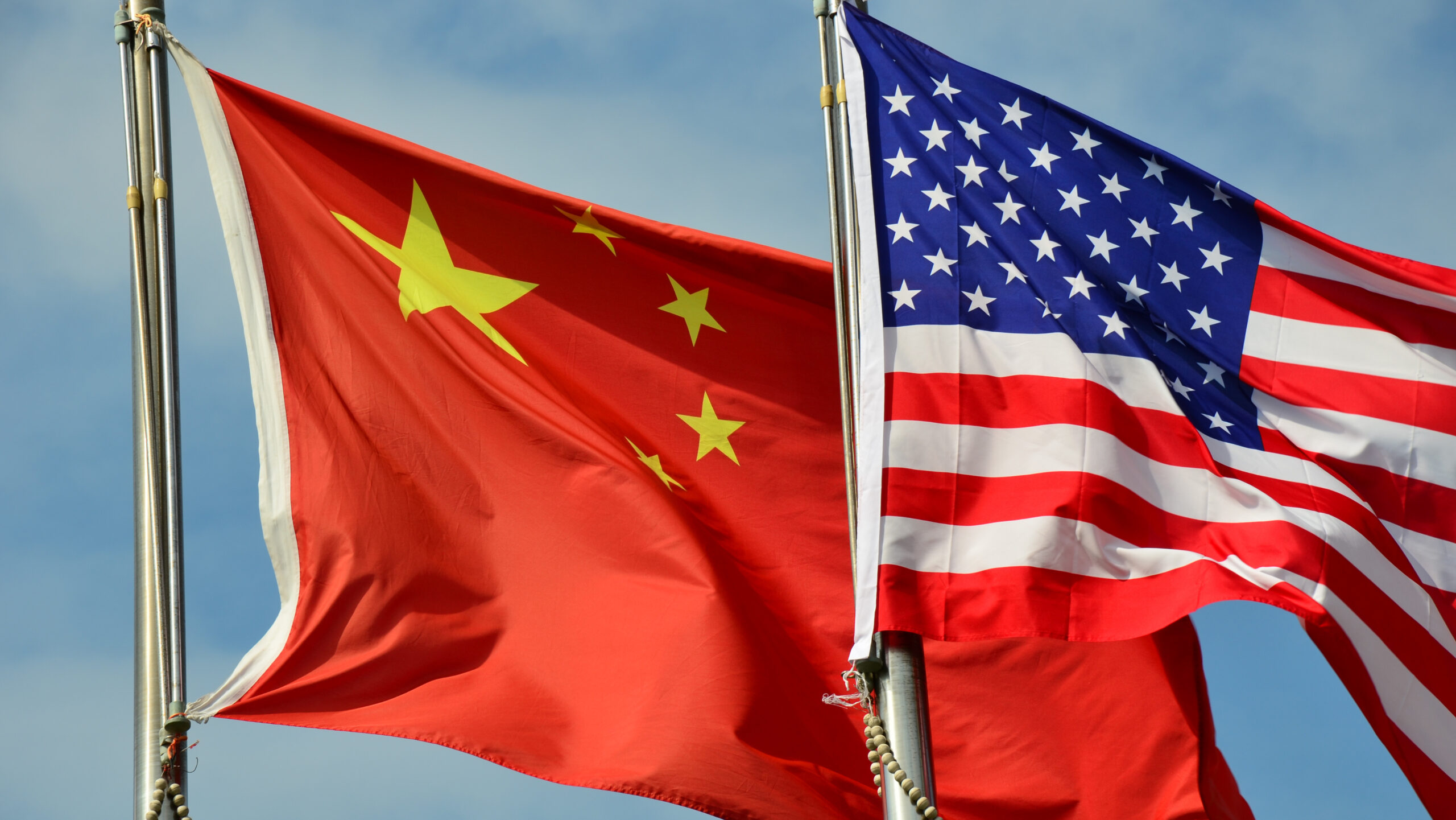
The UK’s approach to steel tariffs is part of a broader global trend. Countries such as the United States and China have also implemented trade policies aimed at protecting their steel industries, though the specifics and outcomes have varied. For example, the U.S. has maintained high tariffs on steel imports, leading to a surge in domestic production but also sparking trade disputes with key partners.
In contrast, the European Union has taken a more flexible approach, allowing for some tariff reductions while investing in green steel technologies. This strategy has been praised for its balance between protecting domestic industries and promoting sustainability. However, it has also faced criticism for not doing enough to address the challenges posed by global market fluctuations.
These comparative examples highlight the complexity of steel policy and the need for tailored solutions. As the UK navigates this issue, it will need to consider not only its domestic economic goals but also its position within the global trade landscape.
Key Points to Consider
- The UK government is reviewing its steel
