
UK Farmer Reported to RSPCA for Rounding Up His Flock With Sheepdog – 1News
A UK farmer has been reported to the RSPCA after using a sheepdog, identified as Tilly, to gather a flock of sheep. The incident, documented by 1News, The Times, and The Telegraph, highlights an escalating tension between traditional livestock management practices and modern animal welfare reporting in rural communities.
What happened during the report involving Tilly the sheepdog?
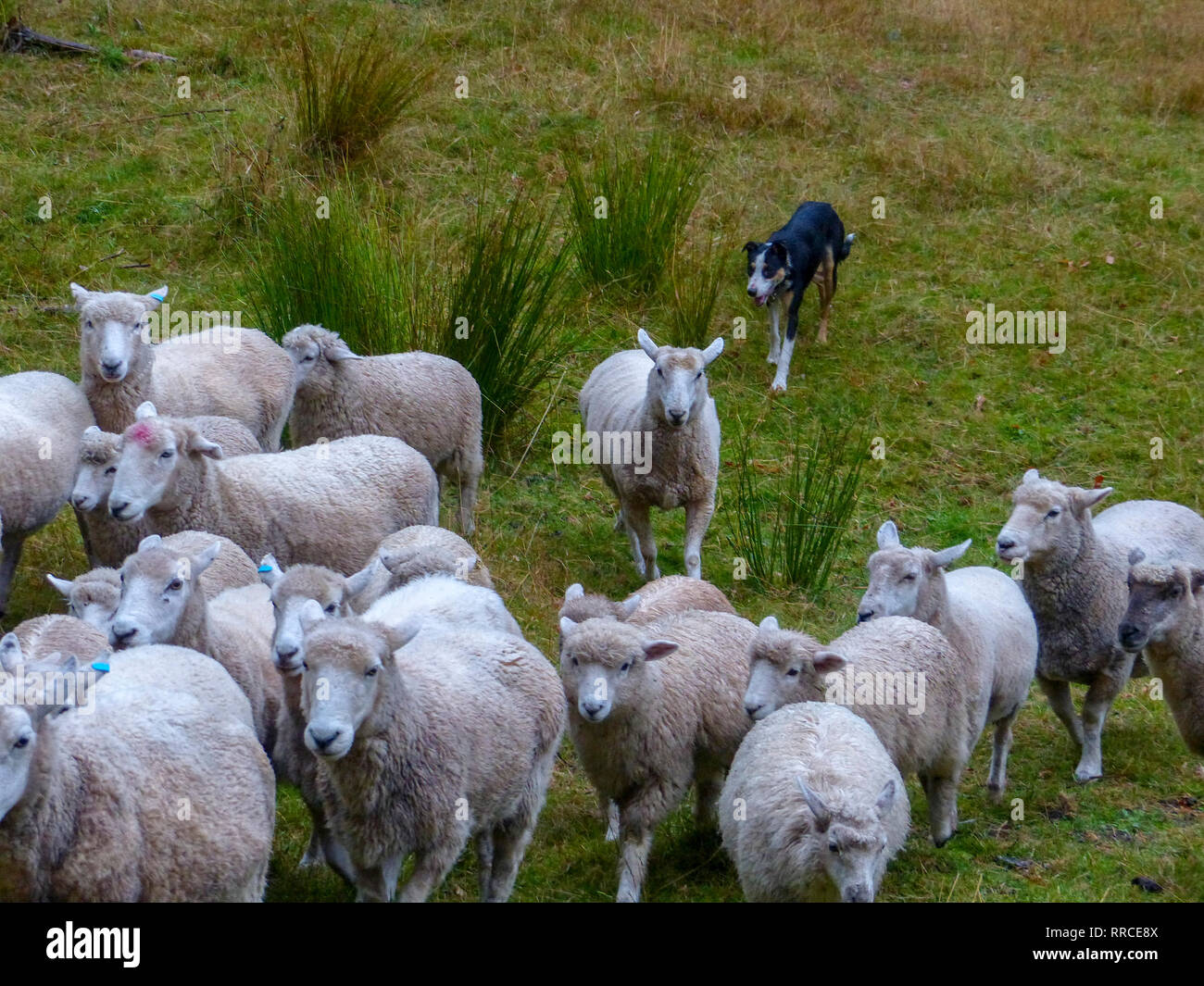
The incident centers on a farmer who utilized a working sheepdog named Tilly to round up sheep, a standard practice in British agriculture. According to reports from 1News, The Times, and The Telegraph, a third party observed the herding process and filed a formal report with the Royal Society for the Prevention of Cruelty to Animals (RSPCA), alleging that the dog’s behavior toward the flock constituted animal cruelty.
The reporting of the event has drawn attention to the divide between those familiar with agricultural operations and those who view the instinctual behavior of working dogs as aggressive. In traditional herding, dogs use “eye,” posture, and movement to direct livestock. To an untrained observer, the intensity of a sheepdog’s focus or the speed of its movement can be misinterpreted as harassment or abuse of the animals.
Key details of the event include:
- The Actor: A UK-based farmer.
- The Animal: Tilly, a trained working sheepdog.
- The Action: Rounding up a flock of sheep for management purposes.
- The Result: A report filed with the RSPCA by a witness.
How the RSPCA handles reports of livestock management
The RSPCA operates as a non-governmental organization that investigates allegations of animal cruelty and neglect across the UK. When a report is filed regarding livestock, the organization typically follows a standardized protocol to determine if a breach of the Animal Welfare Act 2006 has occurred.
According to the RSPCA’s general operational guidelines, inspectors assess whether an animal’s needs are being met and whether it is suffering “unnecessary suffering.” In cases involving working dogs, inspectors must distinguish between the natural behaviors required for the dog to perform its job and actions that cause genuine harm or distress beyond what is necessary for agricultural movement.
The process generally follows these stages:
- Initial Report: A member of the public submits a claim via phone or online portal.
- Triage: The RSPCA determines the urgency and validity of the claim based on the evidence provided.
- Investigation: An inspector may visit the farm to observe the animals and the dog’s working style.
- Determination: The RSPCA decides whether to provide advice, issue a warning, or pursue legal action if laws were broken.
The conflict in this case arises from the subjectivity of “stress.” While a sheep may appear panicked to a passerby, farmers argue that this is a controlled response to a trained dog, necessary for the safe movement of the flock.
Traditional sheepdog herding vs. modern animal welfare standards
The report involving Tilly the sheepdog underscores a clash between centuries-old farming traditions and contemporary interpretations of animal welfare. The use of dogs to manage sheep is a cornerstone of UK hill farming, where terrain makes human-led gathering nearly impossible.

Different media outlets have framed this conflict in varying ways. 1News focused on the fact of the report, while reports in The Times and The Telegraph highlighted the perceived absurdity of reporting a standard farming practice to a welfare organization. This contrast suggests a broader societal shift where urban perspectives on animal behavior are increasingly applied to rural working environments.
The following table compares the perspectives of a traditional farmer versus a welfare-focused observer during a herding event:
| Observation | Farmer’s Perspective | Observer’s Perspective |
|---|---|---|
| Dog’s “Eye” (Staring) | Controlled pressure to move sheep. | Intimidation or aggression. |
| Barking/Nipping | Corrective action for stubborn sheep. | Physical abuse or harassment. |
| Sheep Running | Efficient movement to a pen. | Panic and unnecessary stress. |
| Dog’s Speed | Necessary for flanking the flock. | Terrifying the animals. |
Working dogs like Tilly are bred and trained specifically for these tasks. The International Sheep Dog Society (ISDS) maintains standards for how dogs should be handled and how they should interact with livestock to ensure efficiency without causing injury.
The legal framework for working dogs in the UK
The legality of using dogs to round up livestock is firmly established in UK law, provided the methods used do not cause “unnecessary suffering.” The Animal Welfare Act 2006 is the primary legislation governing this area. Under this act, owners have a “duty of care” to ensure their animals are healthy and well-treated.
However, the law recognizes the distinction between a pet and a working animal. A dog used for herding is performing a functional role in food production. If a dog is trained and the sheep are not being physically injured or excessively traumatized, the practice is generally viewed as legal and necessary.

Legal complexities arise when the definition of “unnecessary” is debated. A prosecutor would have to prove that the farmer could have moved the sheep using a less stressful method and that the choice to use the dog caused a level of distress that outweighs the agricultural benefit. In the case of large flocks in open terrain, such an alternative is rarely available, which often makes these reports difficult to prosecute.
Related areas of law that may intersect with these reports include:
- The Dangerous Dogs Act: While primarily focused on breed and aggression toward humans, it can be invoked if a dog is deemed “dangerously” out of control, though this is rare in professional herding.
- Livestock Handling Codes: Government-issued guidelines on the humane transport and movement of animals, which generally support the use of trained dogs.
Rural reactions to the reporting of traditional farming
The reporting of the farmer to the RSPCA has sparked a reaction across the UK agricultural sector. Many farmers view such reports as “vigilante welfare,” where individuals without agricultural training attempt to police rural life based on emotional responses rather than technical knowledge.
Industry representatives argue that these reports create an environment of fear and instability for farmers. When standard operations—like those performed by Tilly—become grounds for legal investigation, it can lead to increased stress for the farmer and a reluctance to perform necessary livestock movements.
The tension is often attributed to the “rural-urban divide.” As more people visit the countryside for leisure, there is an increase in sightings of farming practices that seem harsh to those who only interact with animals as pets. This has led to a rise in “nuisance reports” to the RSPCA, where the organization is forced to spend resources investigating activities that are entirely legal and standard.
Farmers emphasize that the bond between a shepherd and their dog is one of mutual trust and precision. A dog that is truly “cruel” or overly aggressive is a liability; it would scatter the sheep rather than gather them, making the dog useless for its intended purpose. Therefore, the very fact that the dog is successfully rounding up the flock is often cited as evidence of proper training and control.
Impact on the farming community
The implications of this event extend beyond a single farmer and his dog. It signals a potential shift in how the public monitors agricultural work. Farmers are now increasingly aware that their daily routines are being watched and potentially recorded by passersby, which may lead to changes in how they operate or where they move their livestock.
There is also a concern regarding the mental health of farmers. Being reported for animal cruelty while performing a job they have done for generations can be deeply distressing. The stigma of an RSPCA investigation, even if it results in no charges, can damage a farmer’s reputation within their local community.
Common misconceptions about sheepdog work
To understand why a witness might report a farmer to the RSPCA, it is necessary to address common misconceptions about how sheepdogs operate. Many people believe that a dog must be “friendly” to be humane, but working dogs operate on a system of pressure and release.
Misconception 1: The dog is “attacking” the sheep.
In reality, a sheepdog is using its presence to create a psychological barrier. The sheep move away from the dog not because they are being attacked, but because they are responding to the “pressure” the dog applies. This is a natural interaction between a predator-descendant and a prey animal.
Misconception 2: The sheep are in a state of terror.
While sheep may run, this is their natural defense mechanism. In a controlled herding environment, the sheep are not in a state of life-threatening terror but are reacting to a stimulus to move in a specific direction. A trained dog like Tilly knows exactly how much pressure to apply to keep the sheep moving without causing a stampede.
Misconception 3: Herding can be done without dogs.
While small numbers of sheep can be moved by humans, it is physically impossible for a single farmer to gather a large flock across several acres of rough terrain without a dog. The dog is not a luxury; it is an essential tool for the welfare of the sheep, as it allows the farmer to bring them in for shearing, medical treatment, or protection from weather more quickly than a human could.
For those interested in the specifics of animal behavior in agriculture, a related explainer on livestock handling may provide further insight into the science of pressure and release.
Frequently Asked Questions
Is it illegal to use a dog to herd sheep in the UK?
No, it is not illegal. Using trained sheepdogs to gather and move livestock is a standard and legal agricultural practice in the UK, provided the dog is under control and does not cause unnecessary suffering to the animals under the Animal Welfare Act 2006.
Can the RSPCA prosecute a farmer for using a sheepdog?
The RSPCA can investigate any report of animal cruelty. However, for a prosecution to be successful, they would need to provide evidence that the dog’s actions caused “unnecessary suffering.” Because herding is a recognized necessity of farming, these cases are rarely successful unless there is evidence of actual injury or extreme negligence.
What is “the eye” in sheepdog herding?
“The eye” refers to the intense, fixed stare that certain breeds, particularly Border Collies, use to control sheep. It is a psychological tool that allows the dog to move the flock without having to bark or bite, reducing the need for physical contact.
Why would someone report a farmer for herding sheep?
Reports often come from individuals who are unfamiliar with farming practices. To an untrained eye, the speed and intensity of a working dog can look like aggression or harassment, leading the observer to believe the animals are being mistreated.
What happens if the RSPCA finds no wrongdoing?
If an investigation finds that the farmer was following standard agricultural practices and the animals were well-cared for, the case is typically closed with no further action. The RSPCA may provide general advice on welfare, but no legal penalties are applied.
