
Britain’s Defence Secretary Healey Quits Over Defence Spending – Al Jazeera
UK Defence Secretary John Healey has resigned, claiming Prime Minister Keir Starmer’s military spending plans “fall well short” of necessary levels. According to reports from Al Jazeera, the BBC, and Reuters, the resignation stems from a disagreement over the government’s unwillingness to allocate sufficient funding to the military, deepening a leadership crisis for Starmer.
Why did John Healey resign as UK Defence Secretary?
John Healey stepped down from his position after concluding that the current administration’s financial commitments to national security were inadequate. According to the BBC, Healey specifically stated that Starmer’s military spending plans “fall well short” of what is required to maintain the UK’s defence capabilities. This resignation marks a public break between the Defence Secretary and the Prime Minister over the core issue of budgetary allocation for the armed forces.
The Los Angeles Times reports that the resignation was driven by a fundamental disagreement regarding the government’s willingness to spend enough on the military. While the specific figures of the shortfall were not detailed in the initial announcements, the conflict centers on the gap between the Ministry of Defence’s operational requirements and the Treasury’s spending limits.
Key drivers of the resignation include:
- Budgetary Shortfalls: A belief that proposed spending levels cannot meet strategic goals.
- Policy Disagreement: Conflict over the priority of military investment versus other government spending.
- Strategic Risk: Concerns that underfunding leaves the UK vulnerable in an unstable global security environment.
How the resignation impacts Prime Minister Keir Starmer
The exit of a senior cabinet member over a matter of national security is being characterized as a significant political setback. The New York Times describes the resignation as a “blow to Starmer,” suggesting that the loss of the Defence Secretary undermines the Prime Minister’s authority and stability. When a cabinet minister resigns on a matter of principle—specifically regarding the safety and readiness of the military—it often signals internal fractures within the governing party.
Reuters reports that this development has plunged Prime Minister Starmer “deeper into leadership crisis.” The timing and nature of the resignation suggest that Starmer is struggling to balance fiscal discipline with the demands of the UK’s defence establishment. A leadership crisis of this nature typically manifests as a loss of confidence among backbench MPs and increased scrutiny from opposition parties regarding the government’s ability to manage national security.
The implications for Starmer include:
- Increased Political Pressure: Demands from within the Labour party to reassess spending priorities.
- Cabinet Instability: The potential for further resignations if other ministers share Healey’s concerns.
- Public Perception: A narrative that the government is indecisive or under-equipped to handle global threats.
The conflict over military spending plans
The core of the dispute lies in the tension between the UK’s strategic ambitions and its economic constraints. According to the Los Angeles Times, the government has shown an unwillingness to commit the funding levels that Healey deemed necessary for the military’s viability. This conflict often arises when the Ministry of Defence (MoD) requests funds for modernization and procurement that the Treasury deems unaffordable given current economic conditions.
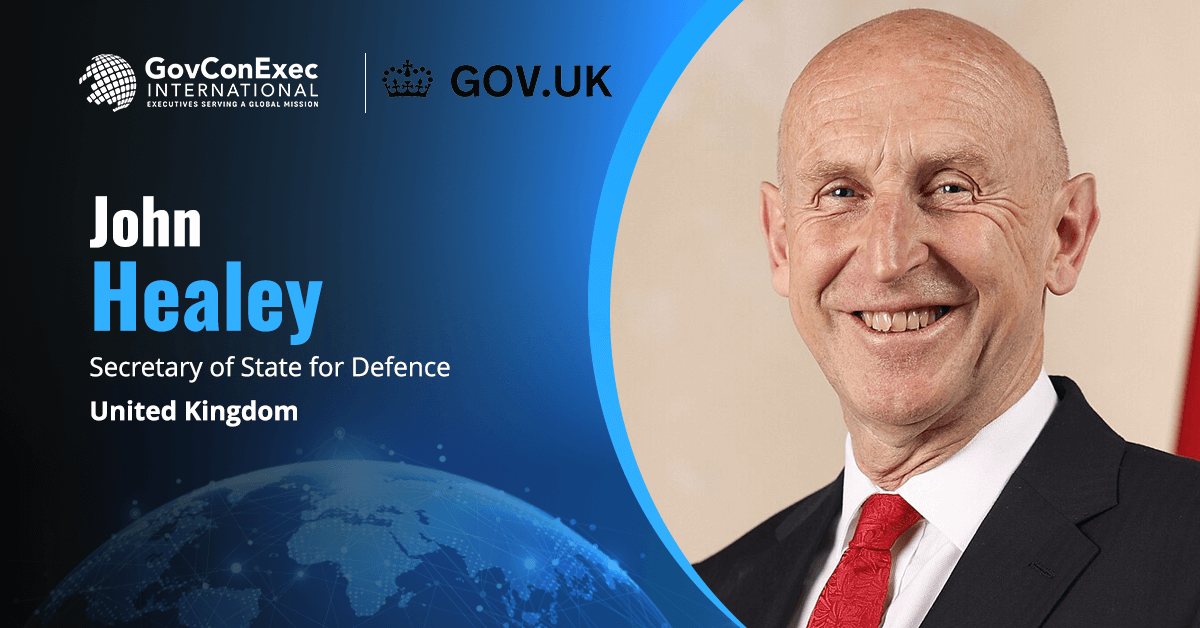
“John Healey resigns as defence secretary saying Starmer’s military spending plans ‘fall well short'” — BBC
Military spending is not merely a domestic budget issue but a geopolitical statement. The UK’s commitment to NATO and its “Special Relationship” with the United States often require a baseline of spending—typically 2% of GDP—to maintain credibility. If the spending plans “fall well short,” as Healey claimed, it suggests a potential dip below these expected levels or a failure to account for the rising costs of modern warfare and technology.
Comparing Media Framing of the Resignation
Different international news outlets have emphasized different angles of the story, reflecting the various implications of the event.
| Source | Primary Focus | Characterization of Event |
|---|---|---|
| Al Jazeera | The act of resignation and spending | Direct policy dispute |
| BBC | The specific “fall well short” quote | Failure of spending plans |
| The New York Times | The impact on Keir Starmer | A “blow” to the Prime Minister |
| Reuters | The broader political fallout | A “leadership crisis” |
Strategic implications for UK national security
The resignation of a Defence Secretary over funding is rarely a isolated event; it typically points to a systemic struggle within the government to define its security posture. When the person responsible for the military declares that spending is insufficient, it raises questions about the UK’s ability to respond to emerging threats.
Potential security risks associated with underfunding include:
- Procurement Delays: Failure to acquire next-generation aircraft, ships, or cyber-defence tools.
- Personnel Attrition: Difficulty in recruiting and retaining skilled military personnel due to poor conditions or lack of equipment.
- Reduced Influence: A diminished ability to lead or contribute to international coalitions, potentially weakening the UK’s diplomatic leverage.
For more context on how these decisions are made, readers may find a related explainer on UK cabinet dynamics useful.
Common Misconceptions About Defence Spending
A common oversimplification is that “spending more” automatically equals “better security.” However, the conflict between Healey and Starmer likely involves where the money is spent. Defence spending is split between “revenue” (day-to-day costs like salaries) and “capital” (long-term investments like new submarines). A minister might resign not because the total number is low, but because the balance is wrong—for example, spending too much on pensions and not enough on new technology.
The political trajectory of the Starmer administration
The resignation of John Healey adds a layer of volatility to Keir Starmer’s tenure. In the British parliamentary system, the resignation of a high-profile minister over a policy dispute is a formal signal of dissent. It forces the Prime Minister to either pivot his policy—in this case, increasing military spending—or risk further alienation of the security establishment.
If Starmer refuses to increase spending, he may face criticism from the right wing of his party and from military leaders. If he does increase spending, he may face criticism from the left wing of his party or from the Treasury, which may be attempting to reduce the national deficit. This “policy trap” is what Reuters describes as a leadership crisis.
To understand the broader context of this struggle, it is helpful to examine the history of UK defence budget cuts over the last decade, which has created a baseline of fragility that Healey likely sought to address.
Frequently Asked Questions
Why did John Healey resign?
According to the BBC and Al Jazeera, John Healey resigned because he believed Prime Minister Keir Starmer’s plans for military spending were insufficient and “fall well short” of what is necessary for national defence.

Is Keir Starmer in a leadership crisis?
Reuters reports that the resignation has plunged Prime Minister Starmer “deeper into leadership crisis,” as it reveals significant internal disagreement over national security and budget priorities.
What does “fall well short” mean in this context?
In the context of the BBC’s reporting, this phrase indicates that the proposed financial allocations for the military are significantly lower than the amount Healey believes is required to maintain the UK’s defence capabilities.
How is the international community viewing this?
Outlets like The New York Times view the resignation as a “blow” to Starmer, suggesting that the instability within the UK government could be perceived as a weakness in British leadership on the global stage.
Will the UK increase its defence spending now?
The reports do not confirm a change in spending, but the resignation puts immense pressure on the Starmer administration to either revise its military budget or find a new Defence Secretary willing to accept the current funding levels.
