UAE’s First Dedicated Ambassador to ASEAN Presents Letter of Credence to Secretary-General
The United Arab Emirates has taken a significant step in strengthening its diplomatic ties with the Association of Southeast Asian Nations (ASEAN) by appointing its first dedicated ambassador to the regional bloc. This milestone was marked when the envoy presented a letter of credence to the ASEAN Secretary-General, signaling a new phase in bilateral relations. The event underscores the growing strategic and economic interests between the UAE and ASEAN members, as both sides seek to deepen collaboration on trade, security, and regional stability.
The Significance of the Appointment
The appointment of a full-time ambassador represents a shift from previous diplomatic arrangements, where UAE representation in ASEAN was often handled through the embassy in a neighboring country. This move reflects the UAE’s increasing focus on Southeast Asia as a key partner in its broader foreign policy and economic diversification strategies. By establishing a permanent diplomatic mission, the UAE aims to streamline communication, enhance coordination on shared priorities, and bolster its influence in the region.
The letter of credence, a formal document verifying the ambassador’s authority, was presented during an official ceremony. This step is a standard practice in diplomatic protocols, but its timing and context highlight the UAE’s commitment to engaging more actively with ASEAN. The Secretary-General of ASEAN, who received the letter, expressed appreciation for the UAE’s initiative, noting that it aligns with the bloc’s goals of fostering closer ties with non-member states.
Historical Context of UAE-ASEAN Relations
The relationship between the UAE and ASEAN has evolved over the years, driven by mutual economic interests and shared regional aspirations. Since the 1990s, the UAE has maintained a trade relationship with ASEAN countries, particularly in sectors such as energy, construction, and finance. In recent years, the partnership has expanded to include cooperation on digital innovation, infrastructure development, and sustainable growth. However, until now, the absence of a dedicated ambassador limited the depth of these interactions.
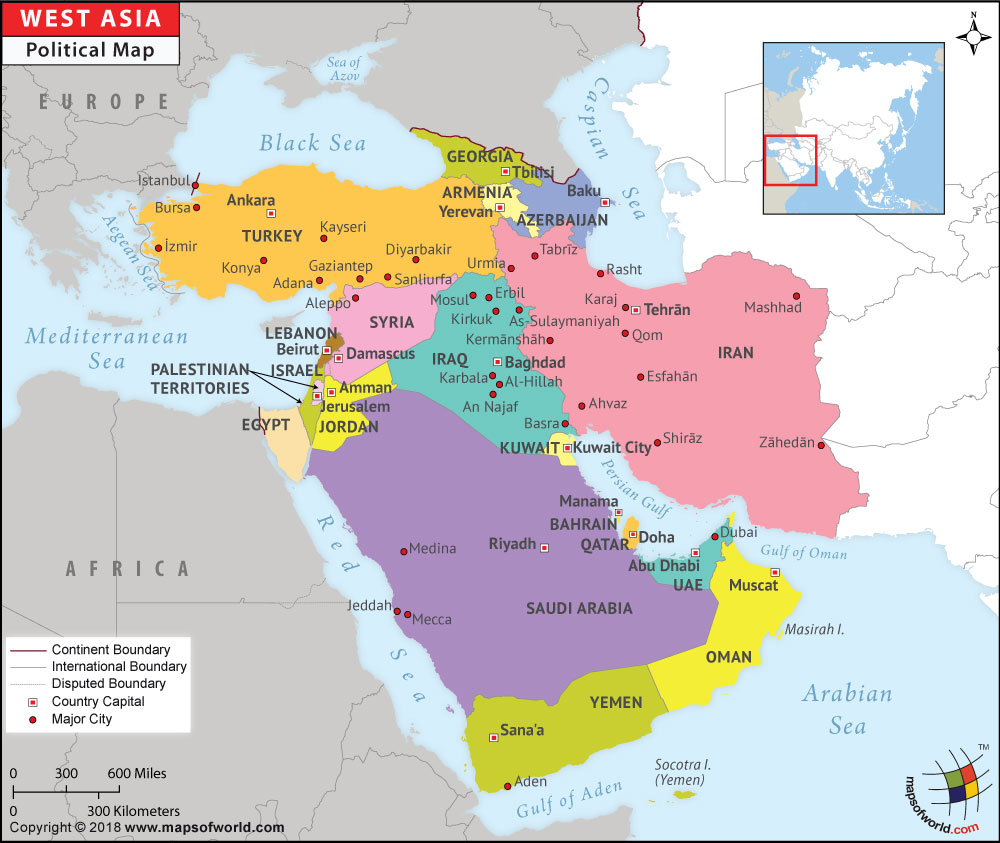
ASEAN, comprising ten Southeast Asian nations, has long sought to diversify its diplomatic and economic partnerships beyond traditional allies in the West and Asia. The UAE, with its strategic location and vast resources, has emerged as a valuable partner. The bloc’s 2025 Vision emphasizes enhancing engagement with countries that can contribute to regional prosperity, and the UAE’s recent initiatives align with this framework.
Key Stakeholders and Their Interests
The UAE’s decision to appoint a dedicated ambassador is influenced by several factors. Economically, the UAE seeks to expand its trade networks and invest in ASEAN’s growing markets. The region’s population of over 650 million and projected GDP growth of 4-5% annually make it an attractive destination for UAE businesses. The UAE’s ambition to become a global hub for trade and finance positions it to play a pivotal role in ASEAN’s economic integration efforts.
Politically, the UAE aims to strengthen its regional influence and counterbalance other global powers. By deepening ties with ASEAN, the UAE can enhance its soft power and foster multilateral cooperation on issues such as maritime security, counterterrorism, and climate change. This aligns with the UAE’s broader foreign policy of promoting stability and dialogue in volatile regions.
ASEAN, for its part, benefits from the UAE’s financial expertise and infrastructure capabilities. The bloc has faced challenges in funding large-scale projects, and the UAE’s investment potential offers a solution. The UAE’s experience in managing complex international relations could provide valuable insights for ASEAN as it navigates its own diplomatic challenges.
Implications for Regional Cooperation
The establishment of a UAE diplomatic mission in ASEAN is expected to catalyze new initiatives in several areas. One potential focus is the facilitation of trade agreements. The UAE has already signed free trade agreements with several ASEAN members, but a dedicated ambassador could accelerate negotiations for a comprehensive framework. This would reduce trade barriers and create a more predictable environment for businesses.
Another area of collaboration is technology and innovation. ASEAN countries are investing heavily in digital transformation, and the UAE’s leadership in areas like artificial intelligence and renewable energy could provide a blueprint for regional development. Joint ventures in smart cities, e-governance, and digital infrastructure are likely to be explored.
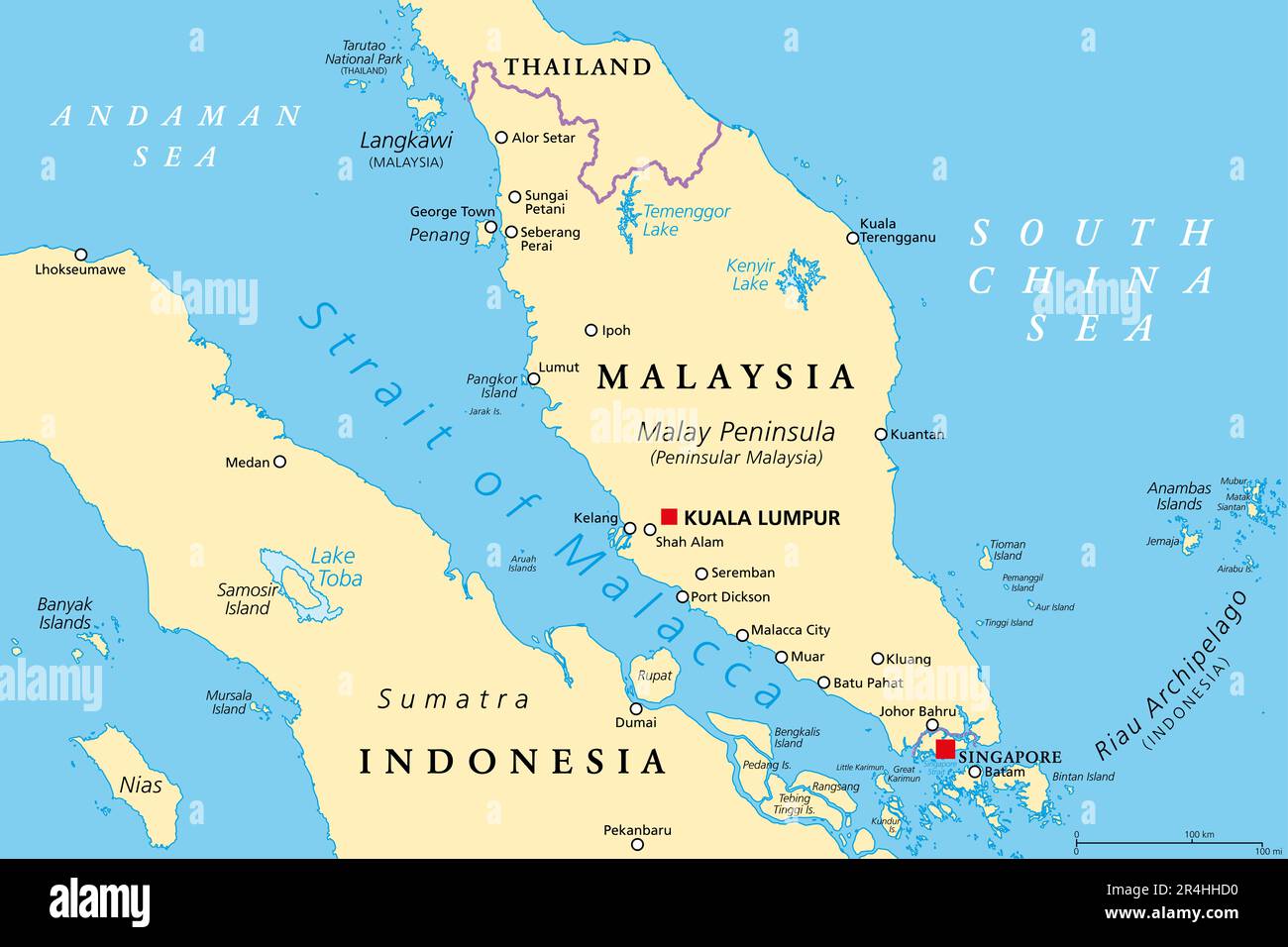
Security cooperation is also a key priority. The UAE and ASEAN share concerns about maritime security, particularly in the Strait of Malacca, a critical trade route. Enhanced intelligence sharing and joint naval exercises could be part of this effort. The UAE’s experience in counterterrorism could be valuable in addressing regional threats.
Reactions and Expert Insights
The appointment has received positive responses from both UAE and ASEAN officials. A senior UAE diplomat emphasized that the move is part of the country’s “vision to build bridges across continents and foster mutual prosperity.” ASEAN officials echoed this sentiment, highlighting the importance of “diverse partnerships
