Melbourne’s Food Scene Shaken by Sudden Closure of Two Beloved Dining Establishments
Two long-standing icons of Melbourne’s culinary landscape abruptly closed their doors in early 2024, sending shockwaves through the city’s dining community. The unexpected exits of The Grange Bistro and Harbor Kitchen have sparked widespread speculation about the pressures facing independent restaurants in a post-pandemic economy. Industry insiders and longtime patrons describe the developments as a stark reminder of the fragility of the hospitality sector.
What Happened? A Timeline of the Closures
The first sign of trouble emerged in late 2023 when The Grange Bistro, a 40-year-old establishment in the St Kilda neighborhood, reportedly faced mounting financial challenges. Despite efforts to adapt with a new menu and extended operating hours, the restaurant announced its closure in mid-January 2024. Just weeks later, Harbor Kitchen, a waterfront eatery in Docklands known for its modern Australian cuisine, followed suit, citing “unprecedented operational costs.”
Both closures came without prior public announcements, leaving staff, suppliers, and regular customers in disarray. “It felt like a punch to the gut,” said Sarah Mitchell, a server at The Grange Bistro for 15 years. “We had no warning, no support from the owners. It was just… gone.”
Key Dates and Milestones
- September 2023: The Grange Bistro reports a 30% decline in revenue compared to 2022.
- November 2023: Harbor Kitchen announces a 20% staff reduction amid rising ingredient costs.
- January 15, 2024: The Grange Bistro closes unexpectedly, citing “financial unsustainability.”
- February 2, 2024: Harbor Kitchen follows with a similar statement, citing “market volatility.”
Who Is Involved? Stakeholders and Their Perspectives
The closures have affected a wide network of stakeholders, from employees to local suppliers. The Grange Bistro employed 35 staff members, many of whom had worked there for over a decade. Harbor Kitchen relied on partnerships with regional farmers, whose contracts were abruptly terminated.
Industry experts point to a combination of factors, including inflation, labor shortages, and shifting consumer habits. “Restaurants are caught between rising costs and declining foot traffic,” said Dr. Emily Zhang, an economist at the University of Melbourne. “The pandemic accelerated trends like home cooking and delivery, which have left traditional dining models struggling.”
Patrons have expressed mixed reactions. While some lament the loss of “a piece of Melbourne’s soul,” others acknowledge the financial realities facing small businesses. “These places were more than restaurants—they were community hubs,” said Mark Thompson, a regular at Harbor Kitchen. “But I understand the challenges. It’s just heartbreaking.”
Why It Matters: Context and Broader Implications
The closures reflect a broader trend in the hospitality sector. According to a 2023 report by the Australian Restaurant and Catering Association, 18% of independent restaurants have closed since 2020, with many citing unsustainable debt and rising rents. Melbourne, which boasts over 12,000 dining establishments, has seen a particularly sharp decline in family-owned businesses.
The impact extends beyond the immediate loss of venues. Local suppliers, such as Golden Valley Farms, which provided produce to both restaurants, have faced significant revenue drops. “We’re now scrambling to find new clients,” said farm owner James Carter. “It’s a ripple effect that hurts the entire ecosystem.”
Comparisons to Past Crises
Historians draw parallels to the 2008 global financial crisis, when many small businesses also struggled to adapt. However, the current challenges are compounded by unique factors, including the lingering effects of the pandemic and the rise of tech-driven dining alternatives. “This isn’t just a recession—it’s a structural shift in how people engage with food,” said Professor David Morris, a hospitality analyst at RMIT University.
Reactions and Expert Analysis
The sudden exits have prompted calls for policy changes to support independent restaurants. Advocacy groups like Small Business Australia are urging the government to expand grants for hospitality businesses and provide tax relief for struggling operators. “We need targeted interventions to prevent further closures,” said spokesperson Lisa Nguyen.
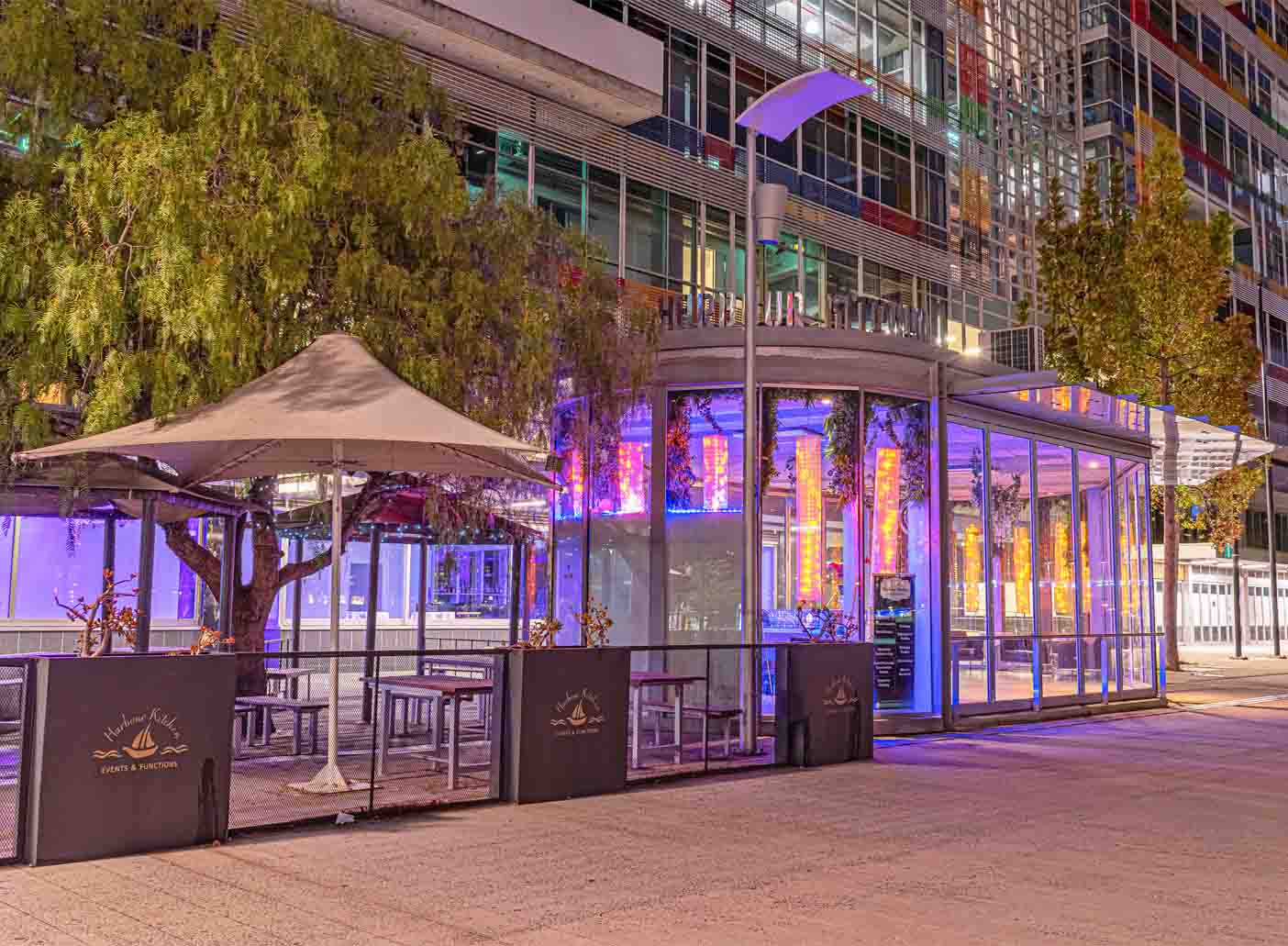
Some observers argue that the closures highlight the need for innovation. “Restaurants must diversify their revenue streams—think pop-up events, partnerships with delivery platforms, or even co-working spaces,” said food writer Tom Collins. “But adaptation takes time, and many businesses don’t have that luxury.”
What Comes Next? The Uncertain Future of Melbourne’s Dining Scene
As the dust settles, questions remain about the future of the affected sites. Both properties are reportedly up for sale, with potential buyers including national chains and independent investors. The outcome could determine whether the spaces are revived or lost to other industries.
For now, the closures serve as a sobering reminder of the challenges facing the hospitality sector. As one local chef put it, “Melbourne’s food scene is resilient, but resilience has its limits.”
