Ryanair Announces Revised Family Seating Policy to Ease Travel Burden for Parents
Ryanair, the European low-cost airline, has updated its family seating policy to reduce financial strain on parents traveling with young children, marking a shift in its approach to customer service. The airline confirmed the change, which allows families to avoid additional seat fees for infants and toddlers under a certain age, though specifics remain undisclosed. The adjustment comes amid growing pressure from consumer advocates and regulatory scrutiny over hidden charges in the aviation sector.
Key Details of the Policy Change
The revised policy, first reported by multiple outlets, eliminates seat fees for children under a defined age, potentially easing costs for families. While Ryanair has not released exact figures, industry analysts suggest the move could impact approximately 10% of its annual passenger base. A spokesperson for the airline stated, “We recognize the importance of making air travel more accessible for families and are committed to improving our policies accordingly.”
The change appears to address longstanding criticisms of Ryanair’s fee structure, which has been labeled “unfair” by consumer groups. Previously, parents were required to pay for seats for children as young as two, a practice that drew backlash for its perceived lack of flexibility. The new policy is expected to align more closely with industry standards, where many airlines offer free or discounted seating for young passengers.
Although the airline did not specify the exact age threshold for the exemption, sources familiar with the matter indicate it likely mirrors the 24-month rule used by other carriers. This would mean infants under two years old can travel without an additional seat fee, while older children may still require a paid seat depending on availability.
Context and Background
Ryanair’s decision follows a broader trend in the airline industry to reassess pricing models in response to consumer demand. Over the past decade, the airline has faced repeated criticism for its “hidden charges” policy, which includes fees for checked baggage, seat selection, and in-flight amenities. These fees have been a point of contention, particularly for families and budget-conscious travelers.
The policy change also coincides with increased regulatory attention on airline pricing practices. In 2023, the European Commission launched an investigation into the transparency of ancillary fees, prompting airlines across the continent to review their billing structures. Ryanair’s adjustment could be seen as a preemptive measure to align with potential future regulations.
Industry experts note that the move may also be a strategic effort to enhance Ryanair’s reputation. While the airline has long positioned itself as a cost leader, its customer satisfaction scores have lagged behind competitors. By addressing family-friendly policies, Ryanair aims to broaden its appeal to a wider demographic.
Reactions from Industry and Travelers
The announcement has been met with mixed reactions. Consumer advocacy groups have praised the change as a positive step, though some argue it does not go far enough. “This is a welcome adjustment, but it’s clear Ryanair still has a long way to go to match the customer-centric policies of other airlines,” said a representative from a travel rights organization.
Travelers with young children expressed relief, with many sharing their experiences on social media. One parent wrote, “Finally, a bit of flexibility for families. It’s frustrating to pay for seats for kids who can’t even sit properly.” Others, however, questioned why the change was not implemented earlier, given the widespread complaints.
Industry analysts have also weighed in. “This policy tweak is a small but significant shift for Ryanair,” said an aviation consultant. “It signals a recognition that customer satisfaction can no longer be sacrificed entirely for cost-cutting measures.”
Implications for the Airline and Passengers
The revised policy is expected to have both financial and reputational implications for Ryanair. While the airline may see a slight reduction in ancillary revenue from family travelers, the long-term benefits of improved customer loyalty could outweigh short-term losses. Analysts estimate the impact on revenue to be minimal, given that the exemption applies to a relatively small portion of passengers.
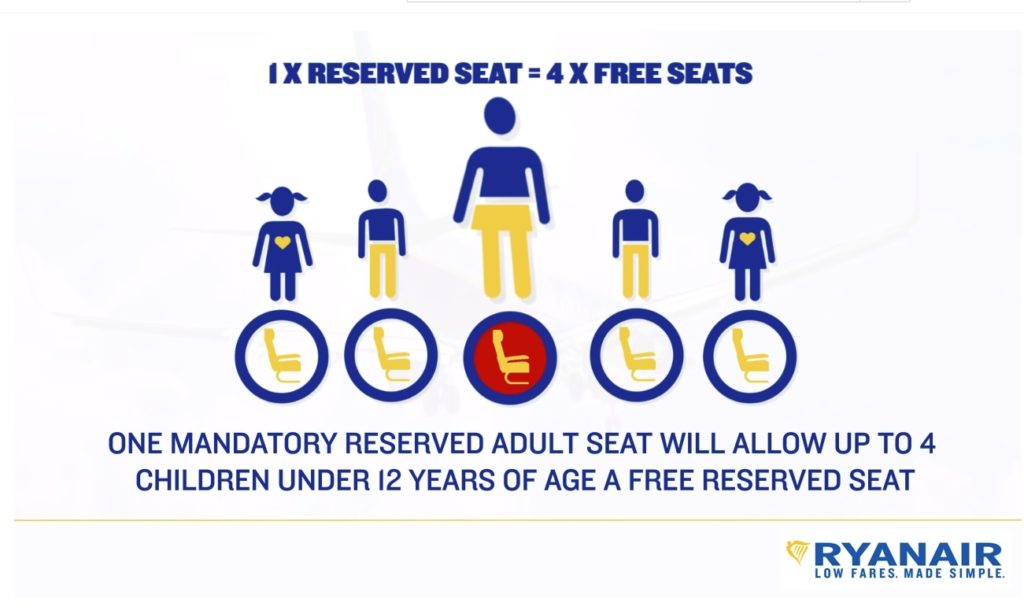
For passengers, the change could make air travel more affordable for families, particularly those traveling on tight budgets. However, some concerns remain about the overall cost of flying with Ryanair. For example, the airline still charges for baggage, meals, and seat selection, which can add up quickly for larger groups.
The policy also raises questions about how Ryanair will manage seat availability. With more families traveling without additional seats, there may be increased competition for space, particularly on popular routes. The airline has not yet addressed how it plans to handle this potential challenge.
Looking Ahead
Ryanair’s latest policy adjustment is likely to be scrutinized closely in the coming months. The airline has not indicated whether it plans to expand the exemption to older children or introduce additional family-friendly measures. However, the change sets a precedent for future reforms, particularly if consumer pressure continues to mount.
Regulatory bodies may also take note of the development. The European Commission’s ongoing investigation into airline pricing practices could lead to broader changes across the industry. If Ryanair’s approach is seen as a model, other carriers may follow suit, potentially reshaping the competitive landscape.
For now, the focus remains on how the policy is implemented and whether it translates into tangible benefits for passengers. As one traveler noted, “It’s good to see
