Direct U.S.-Iran negotiations over a potential peace framework have resumed in Switzerland, despite escalating tensions in the Middle East—including recent attacks on Lebanon—and former President Donald Trump’s repeated threats to derail any agreement, according to multiple reports.
Key Points
- The talks, which began this week, focus on a definitive peace accord between Washington and Tehran, bypassing regional intermediaries.
- Trump has publicly framed any deal as a personal victory, claiming credit for shaping its terms, though Iran’s delegation remains engaged for now.
- Israeli officials and Trump’s rhetoric remain the two biggest obstacles to progress, according to local media.
Why Are These Talks Happening Now?
Diplomatic efforts to stabilize U.S.-Iran relations have intensified amid a volatile regional security landscape. The latest round of negotiations, held in a neutral Swiss location, marks the first direct talks between the two nations since 2021, when indirect discussions collapsed over nuclear and missile disputes. According to reports, the current focus is on a broader framework that could address both military de-escalation and economic sanctions—though no timeline has been set.

The talks come as Iran faces heightened pressure from Israel’s recent strikes on Iranian-linked targets in Lebanon and Syria. While Iran has not directly attributed these attacks to the U.S., the timing has raised concerns among diplomats that a broader conflict could derail the peace process.
Trump’s Role: A Wild Card in Diplomacy
Former President Trump has positioned himself as the architect of any potential deal, repeatedly taking credit for shaping Iran’s negotiating stance. In a statement to supporters, he claimed, “I’ve been telling you for years that the only way to get Iran to the table is with strength—and now they’re begging for a deal.” However, analysts note that Trump’s public stance—including threats to impose new sanctions if the agreement is unfavorable—could undermine the very negotiations he claims to support.

According to one report, Trump’s interference has already caused friction. A senior Iranian diplomat, speaking on condition of anonymity, told local media, “We are here to negotiate in good faith, but external pressures—especially from those who benefit from conflict—complicate matters.” The diplomat did not specify Trump by name but referenced his past statements warning that any deal would be “a disaster for America.”
What’s at Stake for Both Sides?
For the U.S., a formalized agreement could ease sanctions and reduce the risk of proxy wars in the Middle East. Iran, meanwhile, seeks relief from economic isolation and a guarantee that its nuclear program won’t be targeted by future administrations. Yet the path forward remains uncertain.
One major hurdle is Israel’s opposition. Israeli Prime Minister Benjamin Netanyahu has publicly dismissed the talks as a “mistake,” arguing that any concessions to Iran would embolden its regional allies, including Hezbollah and Hamas. According to a leaked internal briefing obtained by a European outlet, Israeli intelligence assesses that Iran’s delegation is divided: hardliners want to use the talks to extract maximum concessions, while moderates fear being outmaneuvered by Trump’s unpredictability.
What Happens Next?
The immediate next steps depend on whether the delegations can agree on a framework by the end of this week. If they succeed, a follow-up round could be scheduled within 30 days, though no venue has been confirmed. Failure to reach a breakthrough risks prolonging the stalemate—and could push Iran back toward non-compliance with its nuclear commitments.
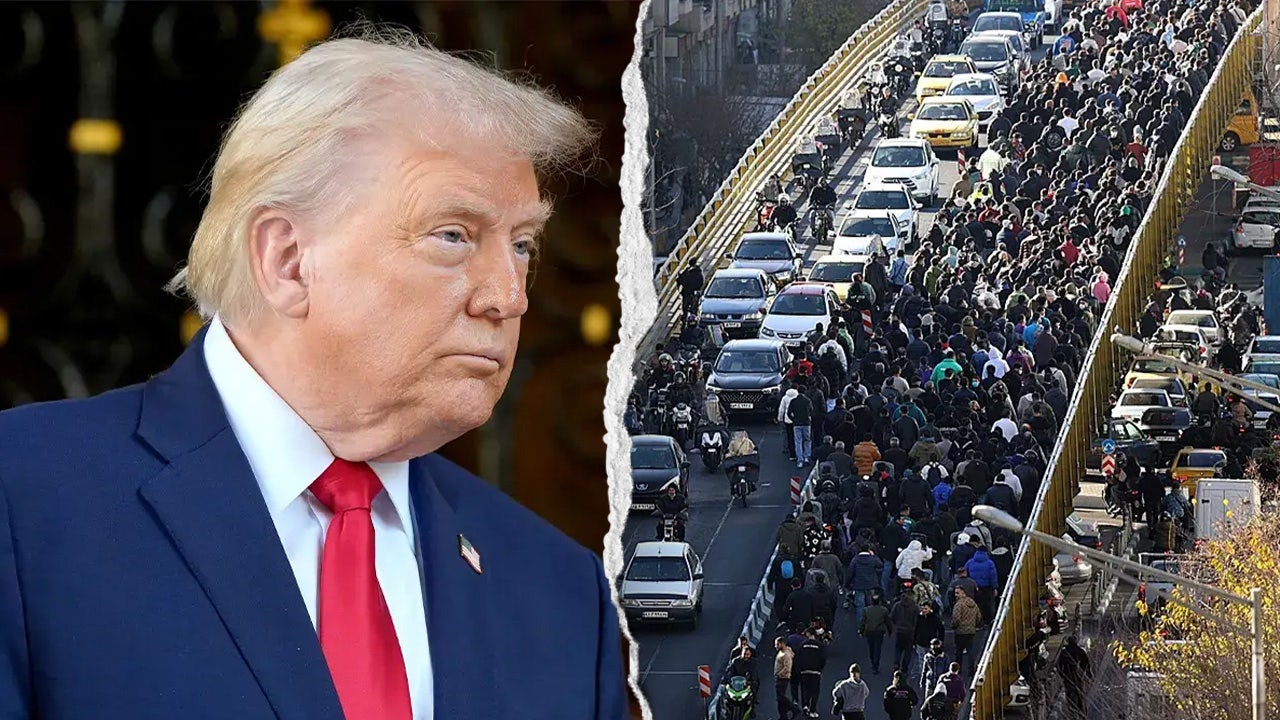
Meanwhile, Trump’s influence looms large. His campaign has already begun framing any deal as a “win” for his 2024 reelection bid, suggesting he may seek to insert himself further into the process. For now, however, Iran’s delegation appears determined to proceed—despite the risks.
