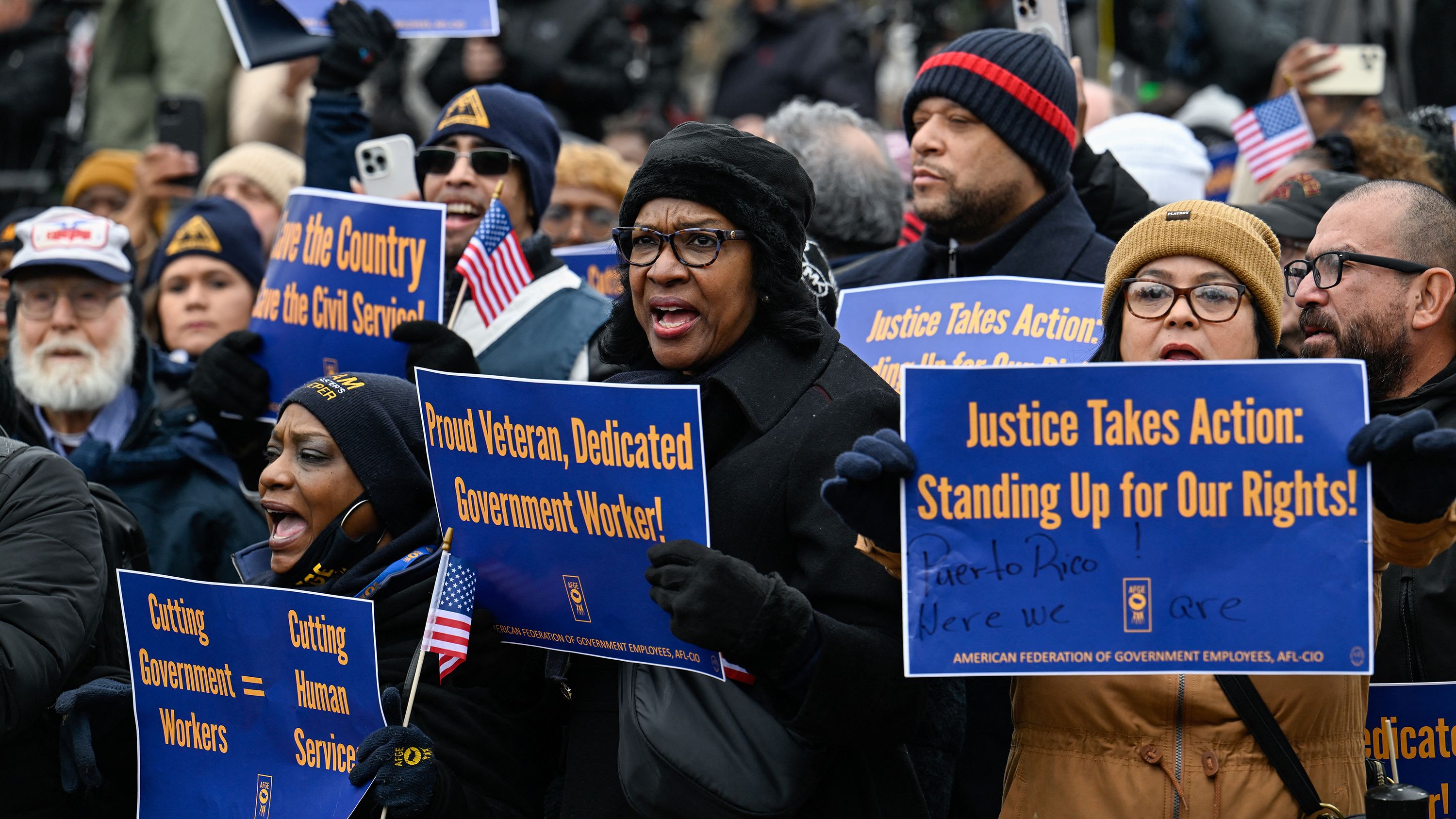
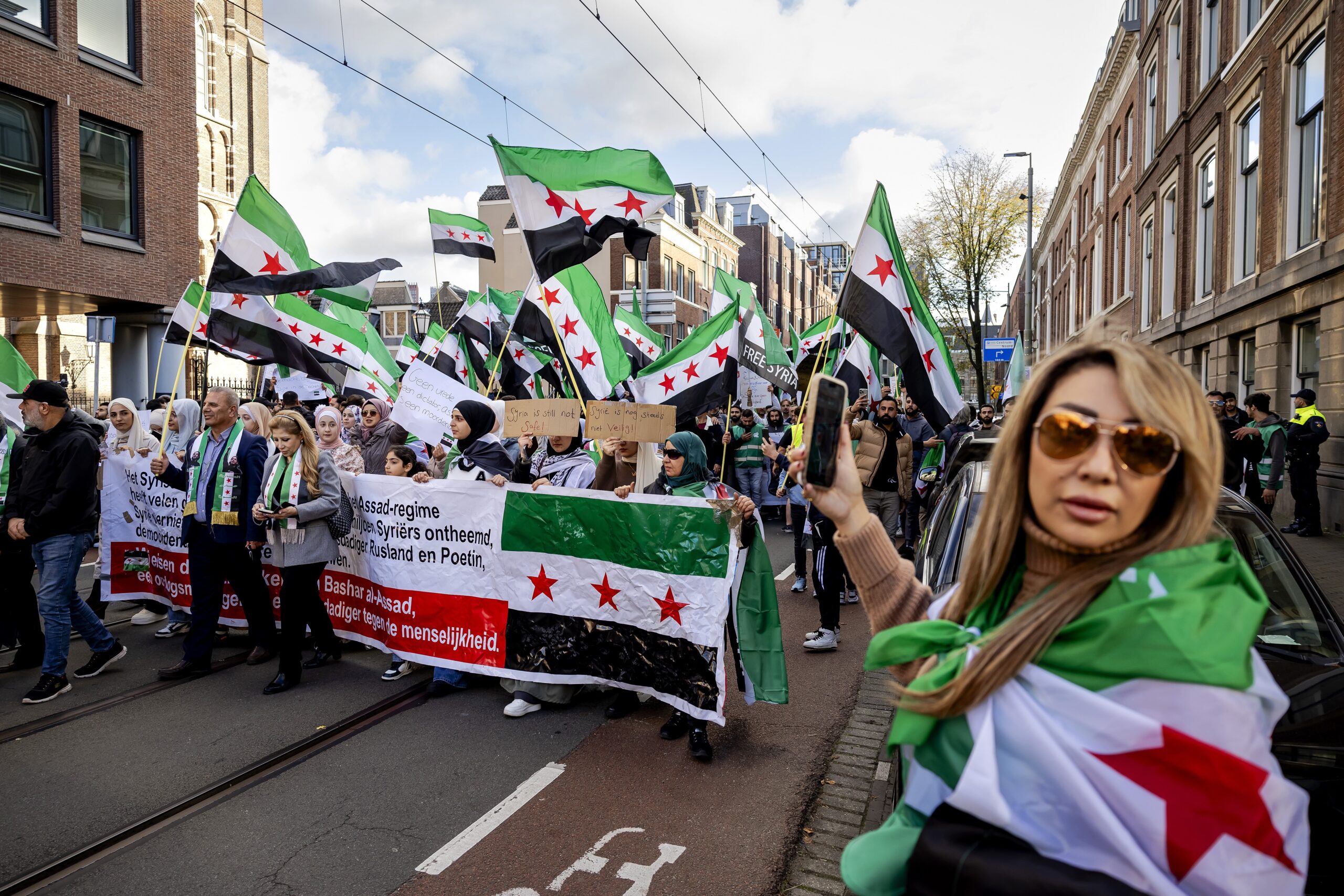
Dutch labor unions, led by FNV Chairman Hans Spekman, are mobilizing workers against government budget cuts to social security. While a recent demonstration drew 300,000 participants, local media reports indicate that formal union membership has dropped to 11.5% of the workforce, creating a disparity between street-level mobilization and organizational membership.
- Union Membership: 11.5% of the working population.
- Mobilization: 300,000 people participated in a recent protest.
- Key Leadership: Hans Spekman, Chairman of FNV.
- Primary Conflict: Cabinet budget cuts versus the preservation of social security and existential security.
Why is union membership declining?
Formal membership in labor unions has fallen to 11.5% of workers, according to local media reports. This decline suggests a shrinking base of dues-paying members, which traditionally provides unions with the financial and legal leverage needed for long-term collective bargaining. However, the low membership figure contrasts sharply with the unions’ ability to organize mass events, as evidenced by the 300,000 people who recently gathered to protest government policy.
How are protests influencing government policy?
Mass demonstrations have put immediate pressure on the Dutch cabinet. Local media reports indicate that the government is beginning to yield following the turnout of 300,000 protesters. This suggests that while formal membership is low, the ability to mobilize public sentiment remains a potent tool for labor leaders to force government concessions.
First, the cuts must be taken off the table.
Hans Spekman, Chairman of FNV
What is the impact of the cabinet’s social security plans?
Labor unions are warning of a “disastrous impact” regarding current government plans for social security, according to local media reports. The central point of contention is the sacrifice of “existential security” (bestaanszekerheid) to meet budget goals. Unions argue that these cuts undermine the basic financial stability of workers, prompting the current wave of strikes and demonstrations led by Spekman.
