
Trump’s Name Is Gone From the Kennedy Center’s Facade, According to a Top Official at the Arts Venue – CTV News
Donald Trump’s name has been removed from the facade of the Kennedy Center following a series of court rulings, according to a top official at the arts venue reported by CTV News. The removal was executed by workers after an internal memo directed staff to clear the signage, as reported by Politico and The Guardian. The event was broadcast live, drawing thousands of viewers, according to Yahoo News Canada.
How the Removal of Trump’s Name Was Executed
The physical removal of the name from the Kennedy Center facade occurred after a directive was issued to the venue’s operational staff. According to a report by Politico, an internal memo was circulated among staffers specifically instructing them to remove the name from the arts center. This administrative order translated into physical action on the building’s exterior.
The Guardian reported that workers carried out the task of removing the signage. This process was not a quiet administrative change; it became a public event. Yahoo News Canada noted that thousands of people tuned in to watch the removal via a live stream, framing the event as a significant public moment for the former president.
The confirmation of the name’s absence came from the top levels of the organization. According to CTV News, a top official at the venue confirmed that the name is officially gone from the facade. This confirmation serves as the final verification that the directives issued in the internal memo were completed.
What Legal Rulings Led to the Name Removal?
The removal of the signage was not a discretionary decision by the Kennedy Center’s board but the result of legal mandates. The BBC reported that the name was removed specifically after a court order. This indicates that the legal system intervened to compel the venue to alter its facade.
The Guardian further clarified that “court rulings” provided the necessary legal framework for the workers to begin the removal process. While the specific details of the litigation were not detailed in the immediate reports, the consensus across the BBC and The Guardian is that the judicial system provided the catalyst for the action.
This legal requirement distinguishes the event from a typical rebranding or a voluntary policy change. The use of court orders suggests a contested legal battle regarding the placement of the name on the venue’s facade, ending in a ruling that favored the removal of the signage.
| Source | Primary Driver of Removal | Key Detail Provided |
|---|---|---|
| BBC | Court Order | Action taken specifically after legal mandate. |
| The Guardian | Court Rulings | Workers acted based on judicial decisions. |
| Politico | Internal Memo | Staffers received direct orders to remove the name. |
| CTV News | Official Confirmation | Top venue official verified the name is gone. |
| Yahoo News Canada | Public Reaction | Thousands watched the removal live. |
The Role of the Internal Kennedy Center Memo
Before the physical removal took place, a formal administrative process occurred within the Kennedy Center. Politico reported that a memo was distributed to staff, which served as the official internal authorization for the removal. This memo bridged the gap between the court’s legal ruling and the physical labor required to change the building’s facade.
The existence of such a memo indicates a structured approach to the removal. It ensured that staff members were aware of the legal necessity and the specific timing of the action. By directing staffers through a formal memo, the Kennedy Center management ensured that the process was documented and aligned with the court’s requirements.
This internal directive was the trigger for the workers mentioned by The Guardian to begin the process of stripping the name from the facade. The sequence of events moved from a courtroom ruling to an administrative memo, and finally to the physical removal of the signage.
Public Reaction and the Live Broadcast
The removal process transitioned from a legal and administrative matter into a digital spectacle. Yahoo News Canada reported that thousands of people watched the event unfold in real time through a live stream. This high level of viewership suggests that the removal of the name carried significant symbolic weight for the general public.
The framing of the event varied across outlets. While the BBC and The Guardian focused on the legalities and the act of removal, Yahoo News Canada characterized the event as a “humiliation” for Donald Trump. This contrast shows a divide between the procedural reporting of the event and the narrative reporting of its social and political implications.
The live stream effectively turned a maintenance task into a political statement. The fact that thousands of viewers tuned in indicates that the facade of the Kennedy Center is viewed as a high-visibility symbol of prestige and recognition, making the removal of a name from that space a notable event in the public eye.
Comparing Media Framing of the Event
An analysis of the reporting reveals distinct differences in how various news organizations presented the removal of the name. These differences highlight the various angles of the story: the legal, the administrative, and the emotional.
Procedural and Legal Focus
The BBC and The Guardian prioritized the “how” and “why” from a legal perspective. By emphasizing “court orders” and “court rulings,” these outlets framed the event as the conclusion of a legal process. Their reporting suggests that the removal was an inevitability dictated by law rather than a choice made by the venue’s administration.

Administrative Focus
Politico focused on the internal mechanics of the Kennedy Center. By highlighting the “memo” sent to staffers, Politico provided a behind-the-scenes look at how a legal ruling is implemented within a large organization. This angle emphasizes the bureaucratic chain of command.
Symbolic and Emotional Focus
Yahoo News Canada took a more narrative approach. By using words like “humiliation” and highlighting the “thousands” of live viewers, the outlet focused on the perceived psychological and social impact on the individual whose name was removed. This framing shifts the story from a legal matter to a personal and political one.
For those interested in the broader implications of public signage and legal disputes, a related explainer on public venue naming rights may provide further context on how these disputes are typically handled.
The Significance of the Kennedy Center Facade
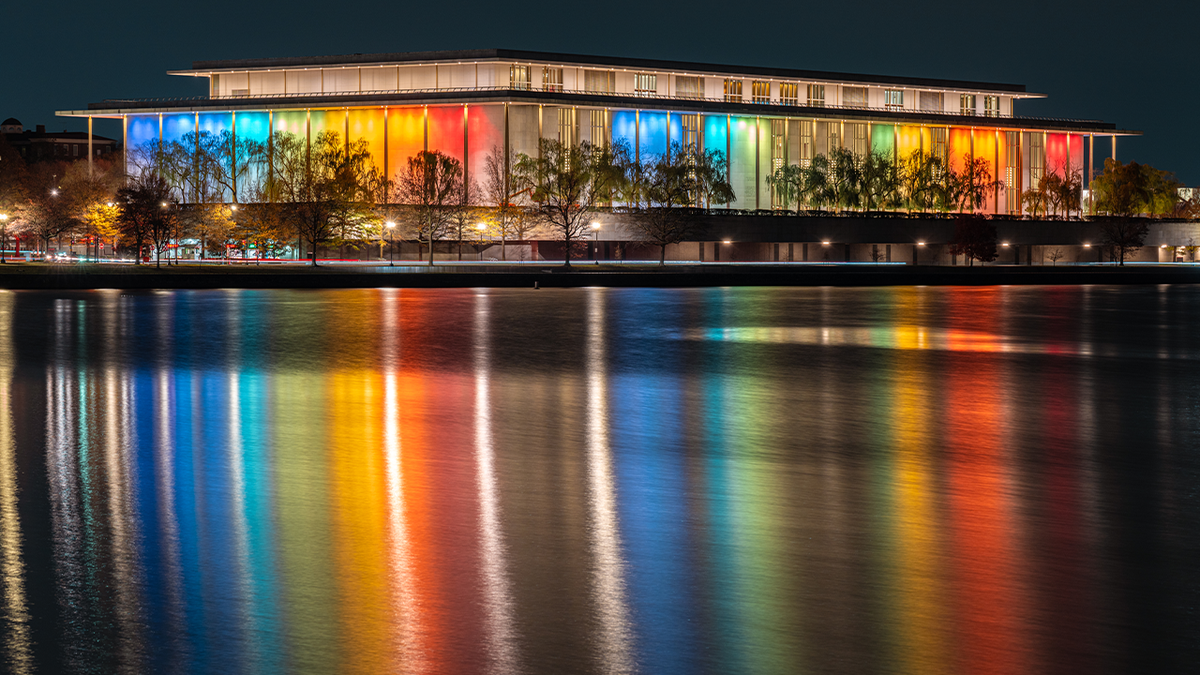
The Kennedy Center is one of the most prestigious performing arts venues in the United States. Because it serves as a national cultural landmark, the names displayed on its facade are often seen as markers of significant achievement or national recognition. The removal of a name from this specific location is therefore more significant than the removal of a name from a private building.
The facade acts as a public record of honor. When a court orders the removal of a name from such a space, it represents a legal determination that the individual no longer meets the criteria for that honor or that the legal right to the signage has been extinguished. This makes the physical act of removal a visible erasure of a previous status.
The transition from having a name on the facade to having it removed, as confirmed by the top official in the CTV News report, marks a definitive shift in the relationship between the individual and the institution.
Common Misconceptions About the Removal
There is a common misconception that the Kennedy Center administration decided to remove the name based on political pressure or a change in internal opinion. However, the reporting from the BBC and The Guardian clarifies that the removal was the result of court rulings. The administration was acting in compliance with a legal mandate, not exercising a voluntary preference.
Another misconception is that the removal was a sudden, unplanned event. The Politico report regarding the internal memo proves that the removal was a coordinated effort. The staff was notified and directed through official channels, indicating that the timing and method of the removal were planned in advance to ensure the court’s order was met efficiently.
Finally, some may view the live stream as an official production by the Kennedy Center. While Yahoo News Canada reported on the thousands of viewers, there is no indication that the venue itself organized the broadcast as a promotional event. The public interest in the event likely drove the viewership, regardless of who hosted the stream.
Summary of Key Facts
- Action: Donald Trump’s name was removed from the Kennedy Center facade.
- Verification: A top official at the venue confirmed the removal to CTV News.
- Legal Basis: The BBC and The Guardian attribute the removal to court orders and rulings.
- Internal Process: Politico reported an internal memo directing staffers to carry out the removal.
- Public Impact: Yahoo News Canada reported thousands of live viewers watching the process.
Frequently Asked Questions
Why was Trump’s name removed from the Kennedy Center?
According to reports from the BBC and The Guardian, the name was removed following specific court orders and rulings. The removal was a legal requirement rather than a voluntary decision by the venue.
Who confirmed that the name is gone?
CTV News reported that a top official at the Kennedy Center confirmed that the name has been removed from the building’s facade.
Was the removal a secret process?
No. According to Yahoo News Canada, the removal was watched live by thousands of people. Additionally, Politico reported that an internal memo was sent to staffers, indicating a coordinated administrative effort.
Did the Kennedy Center staff want to remove the name?
The available reports do not state the personal opinions of the staff. However, Politico indicates that staff were directed to remove the name via an internal memo to comply with legal mandates.
What was the role of the courts in this event?
The courts provided the legal authority for the removal. The BBC and The Guardian both cite court rulings as the primary reason the workers were able to remove the signage from the facade.
The removal of the signage marks the end of a legal trajectory that began in the courtroom and ended with the physical alteration of the building. With the confirmation from top officials and the documentation of internal memos, the process is complete. The high volume of live viewership underscores the enduring public interest in the intersection of legal rulings and public symbols of prestige.
