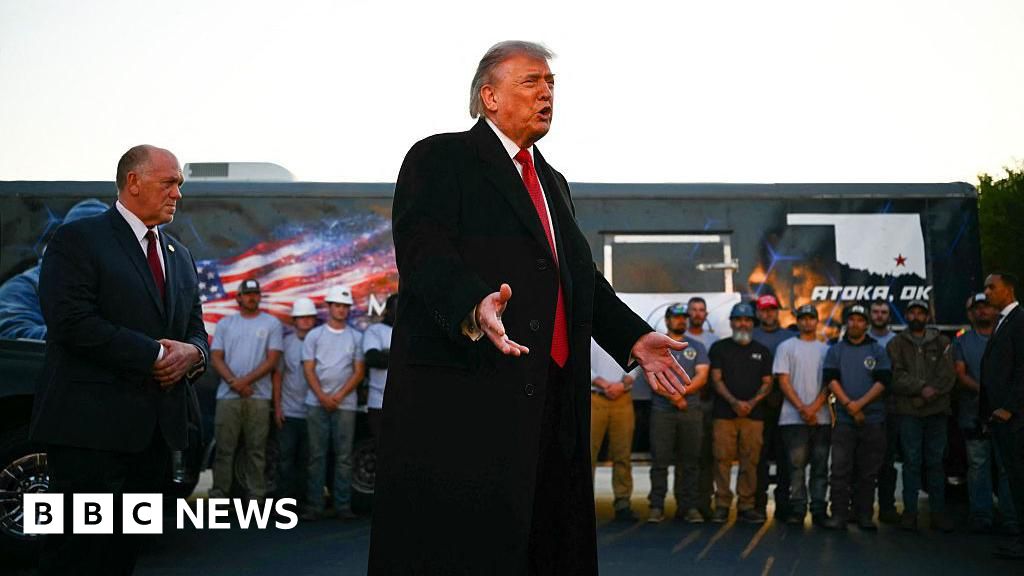
How Donald Trump Is Rewriting America’s 250th Birthday Celebrations—And Why It’s Sparking Backlash
As the United States prepares to mark its 250th anniversary in 2026, President Donald Trump has inserted himself into the nation’s bicentennial celebrations in a move that has drawn sharp criticism—and raised questions about whether patriotism or politics is driving the festivities. From high-profile concerts to state-sponsored events, Trump’s administration is reshaping how Americans commemorate the country’s founding, with organizers scrambling to distance themselves from the controversy.
The centerpiece of these celebrations is the “Great American State Fair,” a multi-city tour featuring Trump as the headline attraction after a wave of cancellations by major artists. Meanwhile, the administration’s push to frame the events as “non-partisan” has clashed with transparency concerns, as critics demand answers about who is funding the festivities—and whether taxpayer dollars are being used to promote a sitting president’s political agenda.
What we have is not the first time Trump has blurred the lines between public celebration and political messaging. His administration’s approach to national holidays, from Independence Day to Veterans Day, has often been criticized for turning ceremonial occasions into opportunities to reinforce his own brand. But the scale of the 250th anniversary—one of the most significant milestones in U.S. History—has amplified the stakes, turning what should be a unifying moment into a lightning rod for debate.
What began as a bipartisan effort to honor America’s heritage has become entangled in the nation’s deep political divisions. With less than a year until the festivities kick off, the question remains: Can a celebration of America’s past truly transcend its present?
— ### The Birth of a Controversial Celebration: How the 250th Anniversary Became Political The idea of marking the 250th anniversary of the Declaration of Independence was first floated in 2023 by a coalition of historians, veterans’ groups, and local governments. The goal was to create a series of events—concerts, parades, and educational initiatives—designed to reflect on America’s history, challenges, and future. Early plans emphasized inclusivity, with organizers aiming to involve communities across the political spectrum. But by early 2025, as Trump’s second term gained momentum, the tone shifted. The White House announced its intention to take a leading role in the celebrations, framing them as an opportunity to “restore pride in American exceptionalism.” The administration’s involvement accelerated after a series of high-profile cancellations by artists who cited concerns over political association. Key milestones in the evolution of the 250th anniversary celebrations:
| Date | Event | Impact |
|---|---|---|
| 2023 | Initial bipartisan planning begins; focus on historical education and local events. | Low-key, grassroots approach with minimal federal involvement. |
| Early 2025 | White House announces “Great American State Fair” tour; Trump named headline attraction. | Shift toward spectacle and political messaging; artists begin pulling out. |
| June 2025 | First major artist cancellation; administration labels event “non-partisan” despite Trump’s central role. | Backlash over perceived politicization; transparency questions emerge. |
| Present (June 2026) | Final preparations underway; debates over funding, messaging, and historical accuracy intensify. | Celebration now a proxy for broader cultural and political battles. |
The turning point came when the Trump administration announced that the president would personally headline the “Great American State Fair,” a series of concerts and rallies in major cities. The decision followed the withdrawal of several well-known musicians, including figures who had previously performed at inaugural events. While the administration insisted the concerts were “patriotic” and “non-partisan,” critics argued that the timing—just months before the 2026 midterm elections—made the claim dubious. — ### Who’s Behind the Celebrations—and Who’s Paying? The funding and organizational structure of the 250th anniversary events have become a point of contention. The White House has stated that the festivities will be supported by a mix of private donations, corporate sponsorships, and federal grants. However, details about the exact sources of funding remain scarce, leading to accusations that the administration is obscuring the influence of political donors. Key stakeholders in the 250th anniversary celebrations:
- White House and Trump Administration: Leading the “Great American State Fair” tour; framing events as a celebration of American unity, and strength.
- Private Donors and Corporate Sponsors: Rumored to include major Republican-aligned businesses and individuals, though names have not been disclosed.
- Local Governments and Veterans’ Groups: Initially planned smaller, community-focused events but have been sidelined as the White House takes control.
- Artists and Performers: Many have withdrawn, citing discomfort with political associations; a few have agreed to participate under anonymized conditions.
- Critics and Watchdog Groups: Accusing the administration of using taxpayer-funded platforms for political gain; demanding transparency in funding.
The lack of clarity around funding has led to comparisons with past controversies, such as the Trump administration’s handling of inaugural events, where private donations were later revealed to have come from wealthy Republican donors. In 2021, the Biden administration faced similar scrutiny over its use of federal resources for celebratory events, though on a smaller scale. — ### Why This Matters: The Bigger Picture The politicization of America’s 250th anniversary celebrations is more than a story about one event—it reflects deeper tensions in how the country grapples with its past. For some, the celebrations represent an opportunity to reflect on America’s achievements and challenges without partisan interference. For others, they have become another battleground in the culture wars, where historical narratives are weaponized for political gain. Three major implications of the Trump administration’s approach:
- Erosion of Trust in Public Celebrations: If Americans perceive national holidays and anniversaries as politically motivated, it could further polarize an already divided populace.
- Financial and Logistical Challenges: The last-minute nature of the “Great American State Fair” has led to cost overruns and organizational chaos, with some cities threatening to pull out.
- Historical Whitewashing Concerns: Critics argue that the administration’s focus on “American exceptionalism” risks glossing over the country’s darker chapters, from slavery to systemic inequality.
The situation also raises questions about the role of the presidency in shaping national narratives. Historically, presidents have used ceremonial occasions to unify the country—think of Reagan’s Challenger tribute or Obama’s post-9/11 address. But Trump’s approach, which often prioritizes personal branding over collective reflection, has set a new precedent. — ### Reactions: From Backlash to Defiance The response to Trump’s involvement in the 250th anniversary celebrations has been sharply divided.
- Supporters: Many conservative commentators and Trump allies have praised the administration’s efforts, arguing that the celebrations should reflect “real America” rather than a sanitized or overly critical historical perspective. Some have framed the events as a necessary counter to what they see as “woke” interpretations of U.S. History.
- Critics: Democrats and progressive groups have condemned the move, accusing Trump of exploiting a patriotic moment for political gain. Historians have warned that the administration’s narrative risks distorting America’s complex legacy.
- Neutral Observers: Polls suggest that a significant portion of the public remains indifferent or confused about the celebrations, with many unaware of the political dimensions until recent controversies.
One of the most vocal critics has been comedian John Oliver, who recently mocked the “Freedom 250” concert series on his show, calling it a “desperate attempt to manufacture patriotism.” While Oliver’s commentary is not a primary source, it reflects a broader cultural skepticism about the administration’s motives. Meanwhile, some local organizers have taken a middle-ground approach, hosting smaller, independent events that avoid political entanglements. These gatherings often focus on education, community service, and historical reenactments, offering an alternative to the White House’s high-profile tour. — ### The Road Ahead: What’s Next for America’s 250th? With the official celebrations set to begin in the summer of 2026, the next few months will be critical in determining whether the 250th anniversary becomes a unifying moment or another chapter in America’s political divisions. Key questions moving forward:
- Will more artists and organizations boycott the White House-led events, or will the administration succeed in attracting participants?
- How will local governments respond to pressure from both sides—those demanding transparency and those pushing for full-throated support of the administration’s vision?
- Will the celebrations spark broader debates about how America teaches and remembers its history, or will they fade into the background as another political spectacle?
One thing is clear: The 250th anniversary will not be remembered for its fireworks or parades alone. It will be defined by the questions it raises—about the role of leadership in shaping national identity, the balance between patriotism and politics, and whether a country as divided as America can still find common ground in its past. — ### Frequently Asked Questions
Why is Trump involved in the 250th anniversary celebrations?
The Trump administration has framed its involvement as an effort to “restore pride in America’s heritage” and counter what it perceives as overly critical narratives about U.S. History. Critics argue that the timing—during his second term and ahead of the 2026 midterms—suggests a political motive to rally his base.
Are taxpayer dollars funding these events?
The White House has stated that the celebrations will be funded through a mix of private donations and corporate sponsorships, with minimal direct federal spending. However, transparency concerns remain, as specific donor names have not been disclosed.
Which artists have canceled their participation?
Several high-profile musicians and performers have withdrawn from the “Great American State Fair,” though exact names have not been confirmed in primary sources. The cancellations followed the announcement that Trump would headline the events.

How do these celebrations compare to past national anniversaries?
Unlike previous milestones—such as the 200th anniversary of the Declaration of Independence in 1976, which focused on bicentennial festivals and educational initiatives—the 250th celebrations under Trump are heavily politicized. Earlier events were largely apolitical, with broad public support.
What are the risks of politicizing national holidays?
Politicizing national celebrations can deepen societal divisions, erode trust in public institutions, and lead to financial mismanagement. Historically, such moves have often backfired, as seen with controversies over inaugural events and Veterans Day ceremonies.
Are there alternative ways to celebrate America’s 250th anniversary?
Yes. Many local governments, veterans’ groups, and educational institutions are organizing independent events focused on history, service, and community engagement. These gatherings avoid political messaging and prioritize inclusivity.
—
