
Fury Over Trump’s New Air Force One: Controversial Qatari Luxury Jet Joins Fleet
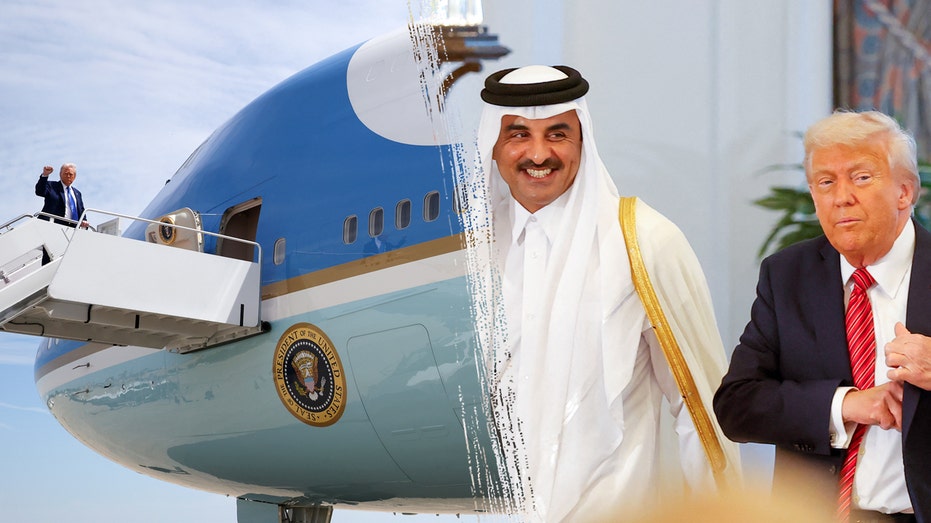
Donald Trump has unveiled a new addition to the Air Force One fleet, a converted Boeing 747 previously owned by Qatar. The aircraft, described as a luxury gift, has sparked significant backlash over its opulence and the nature of its acquisition, according to reports from News.com.au and other international outlets.
What is the new Air Force One aircraft?
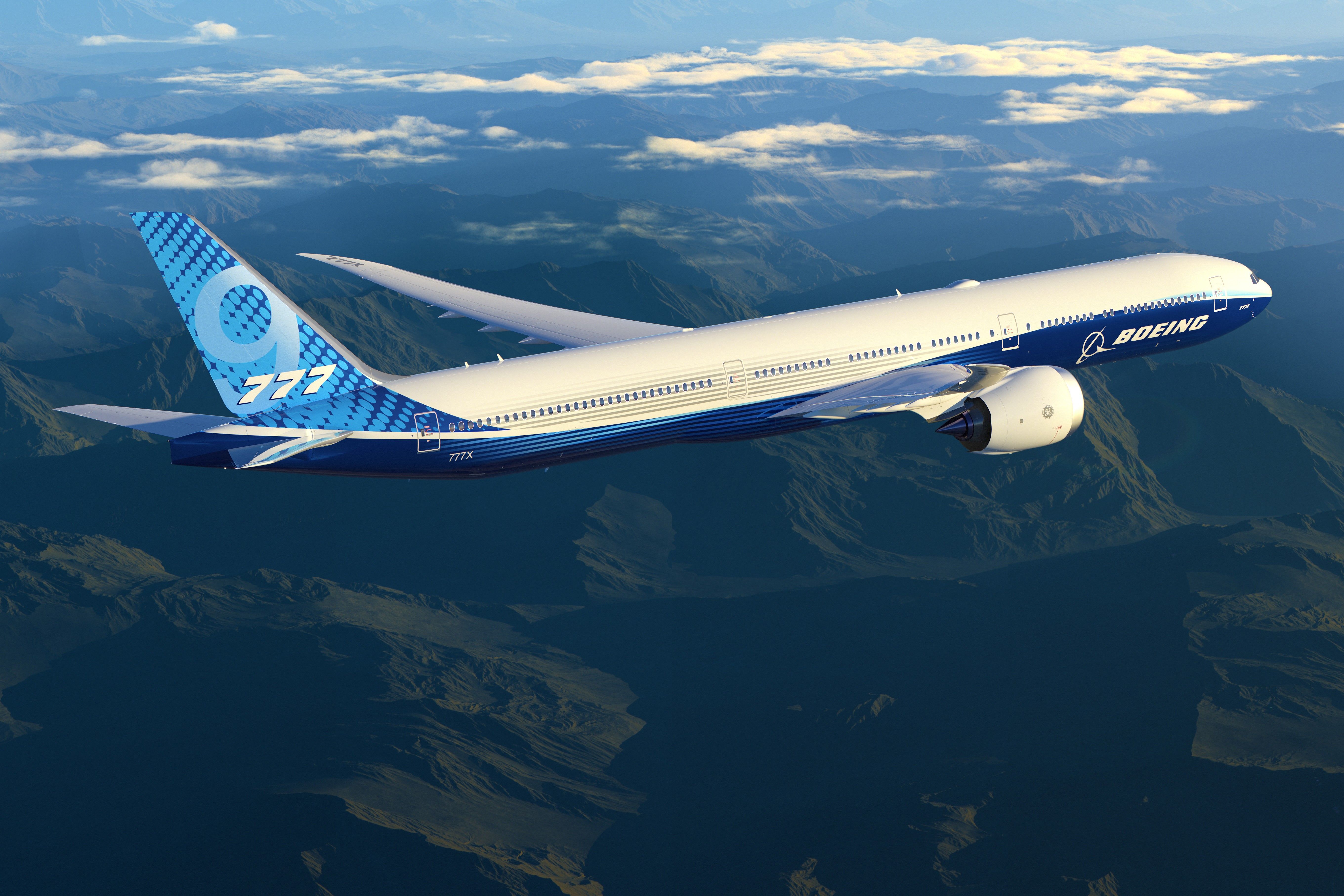
The new aircraft is a converted Boeing 747 that originally served as a luxury jet for the state of Qatar. Donald Trump recently visited the plane, which is now intended to serve as part of the fleet transporting the U.S. president. The aircraft has been modified to function as a mobile command center and residence, with some descriptions labeling it a “flying White House,” according to reports from SMH.com.au.
Unlike standard military-procured aircraft, this jet entered the U.S. orbit as a gift from Qatar. The conversion process involved transforming a high-end private luxury configuration into one that meets the security and communication requirements of the U.S. presidency. The Washington Post reports that the plane is intended to provide a high level of luxury while maintaining the operational capabilities required for presidential travel.
- Model: Boeing 747 (Converted)
- Original Owner: State of Qatar
- Primary Use: Presidential transport and mobile office
- Key Feature: High-luxury interior conversion
Why is there fury over Trump’s new Air Force One?
The backlash, highlighted by News.com.au, centers on the optics of a president accepting and utilizing a luxury asset gifted by a foreign government. Critics argue that the opulence of the Qatari-converted jet is incongruent with the image of a public servant and raises questions about the influence of foreign states on U.S. leadership.
According to The Guardian, the controversy stems from the contrast between the aircraft’s extreme luxury and the standard austerity expected of government equipment. The “fury” mentioned in various reports reflects a political divide over whether such a gift is a diplomatic asset or a liability that suggests an improper relationship with the Qatari government.
Specific points of contention include:
- Foreign Influence: Concerns that a gift of this magnitude creates a perceived obligation to the donor nation.
- Excessive Opulence: The interior luxury of the Qatari jet exceeds that of traditional military-spec presidential aircraft.
- Transparency: Questions regarding the legal and ethical frameworks governing the acceptance of such a high-value foreign gift.
How does the Qatari jet differ from standard Air Force One planes?
Traditional Air Force One aircraft, specifically the VC-25 series, are heavily modified Boeing 747-200s built from the ground up for military and security purposes. They feature advanced electronic countermeasures, hardened communications, and specialized refueling capabilities. The new Qatari-converted jet, while modified, began its life as a luxury civilian transport.

The BBC reports that the aircraft’s primary appeal is its interior luxury. While the standard VC-25 is a sophisticated tool of state, the converted Qatari jet is framed more as a luxury residence. This distinction is central to the debate over whether the plane is a practical necessity or a symbol of excess.
| Feature | Standard VC-25 (Air Force One) | Converted Qatari 747 |
|---|---|---|
| Origin | U.S. Air Force Procurement | Gift from Qatar |
| Primary Focus | Security and Command/Control | Luxury and Executive Comfort |
| Interior Style | Government Executive | Ultra-Luxury Private Jet |
| Acquisition | Congressional Budget/Taxpayer Funded | Foreign Gift/Conversion |
What are the diplomatic implications of the Qatari gift?
The acceptance of a Boeing 747 from Qatar is a significant diplomatic event. Qatar has long maintained a complex relationship with the United States, hosting a major U.S. military base (Al Udeid) while also managing ties with various regional actors. The Washington Post notes that the gift underscores the strategic importance of the U.S.-Qatar partnership.
However, the gift also invites scrutiny. In the U.S., the Emoluments Clause of the Constitution generally prohibits federal officials from accepting gifts or titles from foreign states without the consent of Congress. While the aircraft is intended for the “fleet” rather than personal ownership, the association with Donald Trump’s personal brand of luxury has intensified the political debate.
Analysts suggest that the gift could be viewed in two ways:
- As a gesture of goodwill: A symbol of a strong bilateral alliance and mutual strategic interests.
- As a tool of soft power: An attempt by Qatar to secure favor and influence within the highest levels of the U.S. executive branch.
For more on how foreign gifts are handled by the U.S. government, see a related explainer on the Emoluments Clause.
What is the role of the “Flying White House”?
The term “flying White House,” as cited by SMH.com.au, refers to the aircraft’s ability to allow the president to perform all duties of the office while in transit. This includes secure communications with the Pentagon, the ability to hold cabinet-level meetings, and the provision of medical facilities.
The converted Qatari jet aims to replicate this environment but adds a layer of luxury that is uncommon in military aviation. This includes high-end materials, expanded living quarters, and bespoke finishes that mirror the experience of a private luxury estate. According to the BBC, these features are designed to ensure the president can work and rest in an environment of maximum comfort during long-haul international flights.
Key functional requirements for the fleet:
- Secure Communications: Integration of encrypted satellite links and secure phone lines.
- Medical Suite: Capability to provide emergency medical care mid-flight.
- Staff Accommodations: Space for security detail, press corps, and senior advisors.
- Command Integration: Ability to coordinate with the National Command Authority.
How does this fit into the wider Air Force One history?
The presidential fleet has evolved from the basic transports of the early 20th century to the sophisticated VC-25s of the modern era. The introduction of a converted foreign luxury jet is an anomaly in this history. Typically, the U.S. government prefers total control over the supply chain and engineering of its presidential aircraft to ensure there are no “backdoors” or security vulnerabilities in the hardware.
The move to incorporate a gifted aircraft suggests a shift in how the fleet is augmented. While the primary VC-25s remain the gold standard for security, the Qatari jet serves as a high-visibility asset that blends state function with personal luxury. This departs from the tradition of the “Air Force One” brand being strictly a symbol of American industrial and military power.
Historically, the U.S. has avoided relying on foreign-gifted aircraft for primary presidential transport due to the extreme security risks associated with non-U.S. manufactured or modified components. The conversion process for the Qatari jet must therefore involve rigorous scrubbing and upgrading of all electronic systems to meet U.S. intelligence standards.
What are the common misconceptions about this aircraft?
One common misconception is that this aircraft replaces the existing Air Force One planes. According to the reporting, it is an addition to the fleet rather than a replacement for the primary VC-25s. The primary aircraft continue to be the main vehicles for official state visits where maximum security and military signaling are required.
Another misconception is that the aircraft was purchased with taxpayer funds. The core asset—the Boeing 747—was a gift from Qatar. However, the cost of converting a civilian luxury jet into a secure, presidential-grade aircraft is substantial. These costs, including the installation of secure communications and security hardening, are typically borne by the U.S. government, meaning taxpayers still contribute to the aircraft’s operational readiness.
Finally, some believe the aircraft is a personal gift to Donald Trump. While he unveiled it and will use it, the aircraft is integrated into the Air Force One fleet, which is managed by the U.S. Air Force. This distinction is critical for the legal status of the aircraft under federal law.
FAQs about the new Air Force One luxury jet
Who gave the new Air Force One jet to the U.S.?
The aircraft was a gift from the state of Qatar. It was originally a luxury Boeing 747 used by the Qatari government before being converted for use by the U.S. president.
Is this the only Air Force One plane?
No. This aircraft is an addition to the existing fleet. The U.S. continues to operate the VC-25 aircraft, which are the primary, military-spec Boeing 747s used for presidential travel.
Why are people angry about the jet?
According to News.com.au and other outlets, the “fury” stems from the extreme luxury of the plane and the ethical concerns regarding the acceptance of such a valuable gift from a foreign government.
Does the plane have the same security as the original Air Force One?
While the plane has been converted to include secure communications and presidential-grade features, the original VC-25s were built from the ground up as military aircraft with specialized electronic countermeasures that are more extensive than those found in converted civilian jets.
Was the plane paid for by taxpayers?
The aircraft itself was a gift from Qatar. However, the costs associated with converting the luxury jet into a secure presidential transport are generally funded through government budgets.
The arrival of the converted Qatari jet marks a departure from traditional presidential transport procurement. As the aircraft begins its service, the balance between diplomatic gratitude, operational necessity, and the optics of luxury will remain a point of political contention. For those tracking the evolution of the presidential fleet, the integration of this “flying White House” provides a case study in the intersection of foreign diplomacy and executive luxury.
