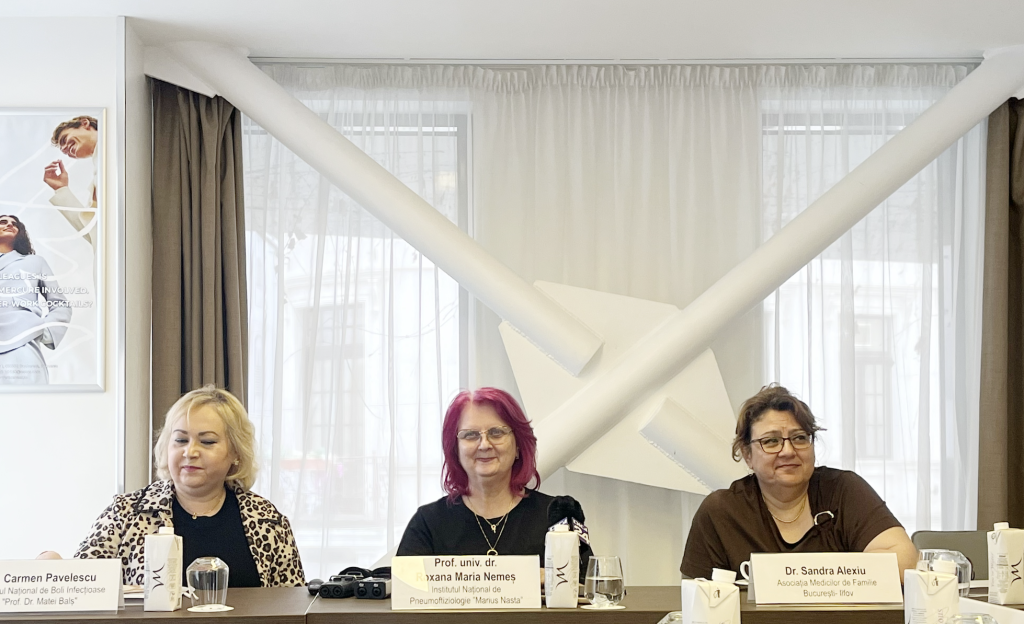
Specialists in Romania are urging health authorities to adopt modern prevention tools for Respiratory Syncytial Virus (RSV), which remain unavailable in the country despite being used in other regions. According to reports from Radio România Cultural and Calea Europeană, the absence of these preventive interventions increases the medical and financial burden on families and the national healthcare system.
Why are RSV prevention tools missing in Romania?
While modern medical solutions to prevent RSV infections exist globally, they have not been integrated into the Romanian healthcare infrastructure. According to Calea Europeană, medical specialists are currently making formal requests to health authorities to secure access to these prevention tools. The goal is to shift the healthcare approach from reactive treatment to proactive prevention.
How does RSV affect families and health systems?
The virus creates a dual pressure on the private lives of citizens and the public capacity of hospitals. Radio România Cultural reports that RSV infections have a significant impact on families, often leading to sudden hospitalizations and disruptions in care. Because the virus frequently targets infants and the elderly, the resulting acute respiratory distress can lead to high occupancy rates in pediatric wards during peak seasons.
The lack of preventive options means the healthcare system must rely entirely on supportive care and hospitalization once an infection has already occurred. Specialists argue that introducing modern prevention would reduce the number of severe cases requiring hospital admission, thereby easing the strain on medical staff and resources.
