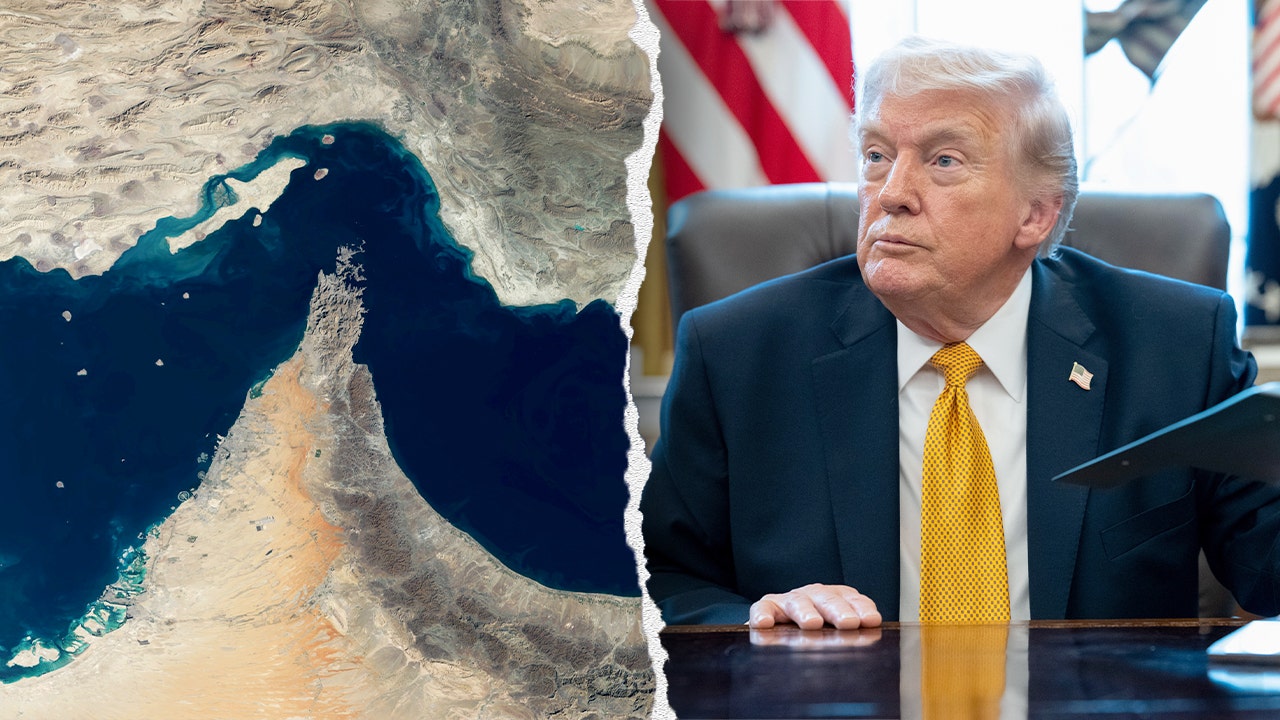
Iran’s Revolutionary Guard has threatened to endanger ships in the Strait of Hormuz and close the waterway in response to Israeli attacks in Lebanon, according to multiple news reports. Simultaneously, Donald Trump has threatened to impose a U.S. “toll” on maritime traffic in the strait should negotiations with Iran fail, reports indicate.
- Iranian Action: Threatening to close the Strait of Hormuz and endanger passing vessels.
- Primary Trigger: Israeli military strikes in Lebanon.
- U.S. Response: Donald Trump’s proposal of a U.S. maritime toll if diplomacy fails.
- Key Military Actor: The Iranian Revolutionary Guard Navy.
Why Iran is Threatening the Strait of Hormuz
The Iranian Revolutionary Guard Navy has issued a warning that vessels approaching the Strait of Hormuz will be
“put in danger,”
according to reports from international media. This escalation follows recent Israeli military operations in Lebanon, which Tehran has cited as the primary catalyst for its decision to effectively close the waterway.
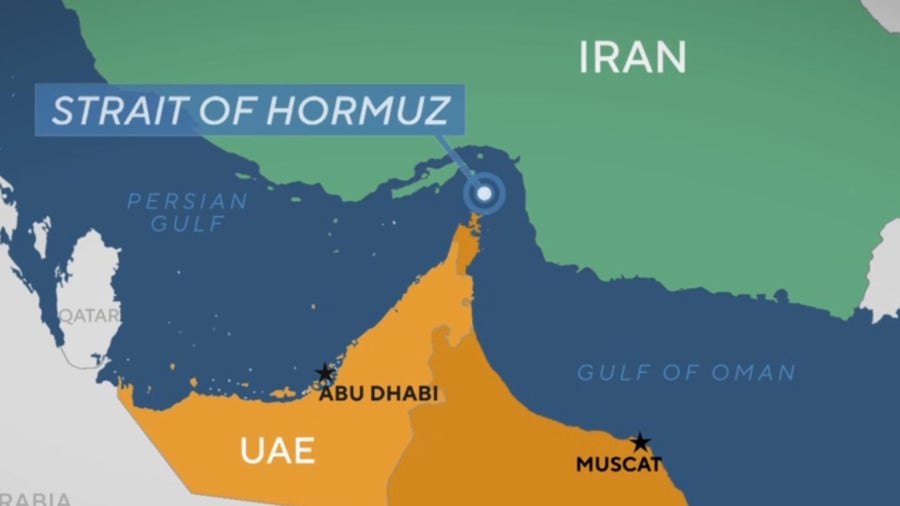
The strait serves as a critical global chokepoint. While the Iranian government has signaled its intent to restrict access, current reports highlight ongoing uncertainty regarding the timeline and status of the waterway’s reopening.
How the U.S. is Responding to the Crisis
Donald Trump has introduced a financial deterrent to counter Iran’s maritime threats. According to reports, Trump has threatened to implement a “U.S. toll” for ships utilizing the Strait of Hormuz. This measure is contingent on the outcome of diplomatic efforts; the toll would be imposed specifically in the event that negotiations with Iran fail.
This proposed “péage américain” represents a shift toward using economic leverage to maintain the openness of the shipping lane, contrasting with the military warnings issued by the Iranian Revolutionary Guard.
