
Former U.S. President Donald Trump has warned that the United States will “hit them very hard” in response to recent tensions with Iran, according to multiple media reports. The statement, made amid escalating rhetoric between Washington and Tehran, marks a sharp escalation in diplomatic hostilities following a series of cross-border strikes between the two nations.
Escalation in U.S.-Iran Tensions
Trump’s remarks, reported by outlets including DW, BBC, and El País, came after a recent exchange of attacks between U.S. and Iranian forces. The former president specifically threatened to seize Iran’s oil infrastructure, including the island of Jarg and key petroleum terminals, drawing comparisons to Venezuela’s state-controlled energy sector. “We’re going to hit them hard again,” Trump said, according to transcripts cited by international media.

The statement follows a pattern of heightened rhetoric from Trump, who has repeatedly criticized Iran’s nuclear program and regional activities. His comments coincide with ongoing disputes over Iran’s ballistic missile development and its support for proxy groups in the Middle East, according to analysis from geopolitical analysts.
Context of Recent Clashes
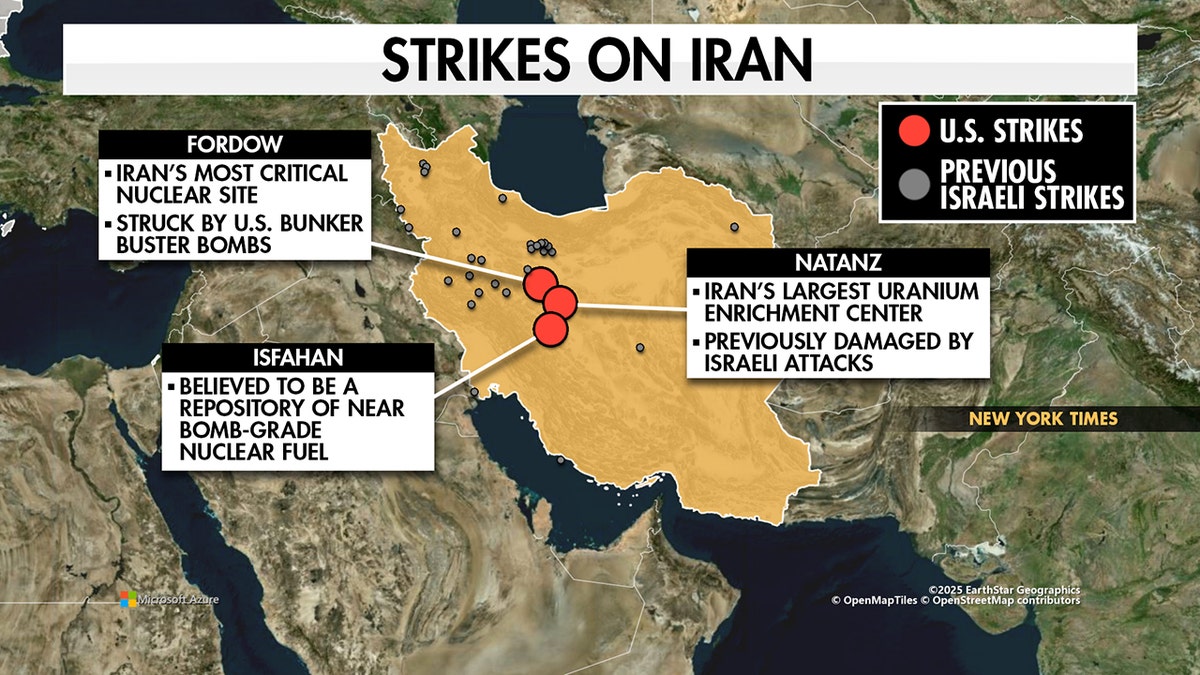
Recent clashes between U.S. and Iranian forces have included drone strikes and missile attacks, though no major casualties have been reported. The latest incidents occurred after Iran accused the U.S. of conducting surveillance operations near its borders, a claim denied by Washington. Diplomatic channels have remained closed since 2018, when the U.S. withdrew from the Iran nuclear deal, complicating efforts to de-escalate tensions.
Trump’s threat to take control of Iran’s oil infrastructure represents a significant shift from previous administrations’ approaches. While the U.S. has imposed sanctions on Iran’s energy sector, direct military occupation of oil facilities would mark a new level of intervention, according to experts.
Regional and Global Implications
The potential for further conflict has raised concerns among regional allies. Gulf Cooperation Council (GCC) members, including Saudi Arabia and the United Arab Emirates, have urged caution, fearing spillover effects in the already volatile Persian Gulf. International observers note that any U.S. military action could disrupt global oil markets, given Iran’s strategic position as a major energy producer.
Historically, U.S.-Iran tensions have been marked by cycles of escalation and diplomatic maneuvering. The 1979 hostage crisis and the 2003 Iraq War are often cited as precedents for the current standoff, according to academic studies on Middle East geopolitics.
What This Means for Regional Stability
The threat to seize Iranian oil assets could provoke a strong response from Tehran, which has previously warned of “harsh retaliation” against U.S. aggression. Analysts suggest that such a move might embolden Iran’s allies, including Syria and Hezbollah, to increase their military activities in the region. Meanwhile, European nations have called for renewed negotiations, though their influence in the dispute remains limited.
International law experts have noted that any unilateral seizure of oil infrastructure would likely violate United Nations Charter principles, though enforcement mechanisms are unclear. The situation underscores the fragile balance of power in the Middle East, where multiple actors—包括 the U.S., Iran, and regional states—vie for influence.
The coming days will be critical in determining whether the rhetoric translates into tangible action. Diplomatic efforts remain stalled, with no immediate signs of renewed talks between Washington and Tehran.
