Lionel Messi gets World Cup birthday treat with Argentina squad – ESPN
Argentina national team players celebrated Lionel Messi’s birthday with a surprise gathering and celebratory treats during their World Cup preparation camp, according to reports from ESPN. The event emphasized the tight-knit bond between the captain and his teammates as the squad continues its training cycle for upcoming international fixtures.
How did the Argentina squad celebrate Lionel Messi’s birthday?
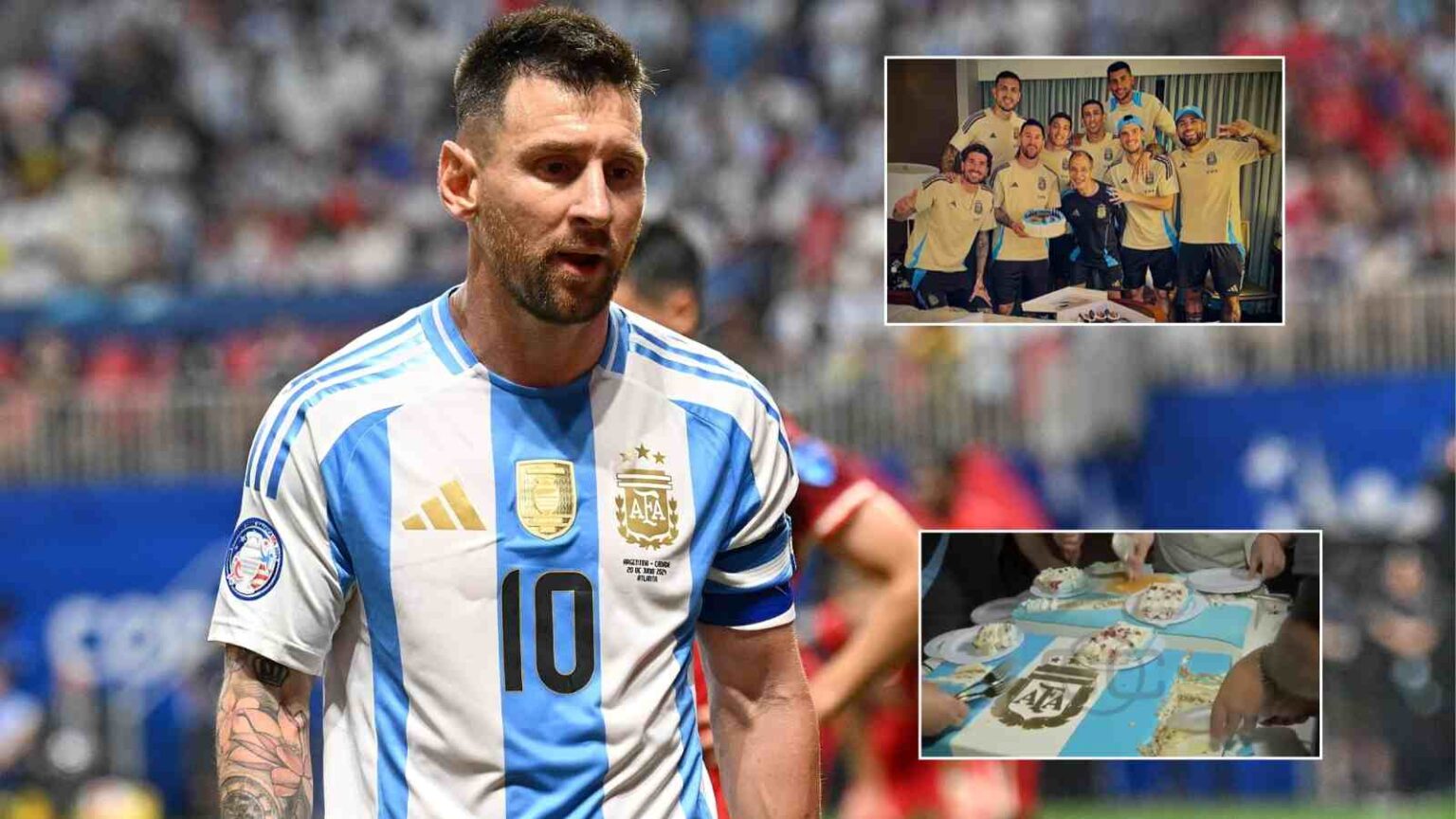
The celebration took place within the confines of the national team’s training facility, where teammates and staff organized a surprise “birthday treat” for the captain. According to reports from ESPN, the festivities included a cake and a gathering of the squad, breaking the rigors of the tactical training schedule to acknowledge the milestone. These moments of levity are common within the current Albiceleste camp, where the players have cultivated a familial atmosphere.
The “treat” served as more than a simple party; it functioned as a team-bonding exercise. Sources close to the camp indicate that the players took the lead in organizing the surprise, reflecting a shift in the team’s hierarchy where the squad now actively supports Messi not just as a tactical centerpiece, but as a fraternal leader. This dynamic is a hallmark of the “La Scaloneta” era, named after manager Lionel Scaloni.
- The Event: A surprise birthday celebration involving cake and squad gatherings.
- The Setting: The Argentina national team’s official training camp.
- The Participants: The full playing squad and technical staff.
- The Purpose: Celebrating Messi’s birth while maintaining team morale during World Cup preparations.
Why is the team chemistry under Lionel Scaloni significant?
The cohesion displayed during the birthday celebration is a visible symptom of a deeper structural change in the Argentina national team. Under Lionel Scaloni, the team moved away from a system that focused solely on Messi’s individual brilliance to one based on collective sacrifice and emotional support. According to tactical analyses of the squad, this shift was instrumental in Argentina’s recent successes, including their 2022 World Cup victory.
In previous cycles, reports often highlighted a divide between Messi and certain segments of the squad or the coaching staff. However, the current environment is characterized by what analysts call “emotional symmetry.” Players like Rodrigo De Paul and Leandro Paredes have frequently spoken about their role in “protecting” Messi on the pitch, a sentiment that extends to the off-pitch environment where birthday celebrations and shared meals are used to solidify trust.
“The strength of this group lies in the fact that they no longer play for Messi, but with Messi,” according to sports analysts covering the South American qualifiers.
This chemistry is a critical asset during the high-pressure environment of a World Cup. When players feel a personal connection to their captain, they are more likely to maintain tactical discipline and resilience during adverse match conditions. The birthday treat reported by ESPN is a small-scale example of a large-scale psychological strategy: fostering a sense of belonging that outweighs individual ego.
What does this mean for Argentina’s World Cup outlook?
While a birthday celebration does not directly impact a team’s technical ability, the psychological state of a squad is a primary driver of tournament performance. For Argentina, the ability to balance intense professional preparation with moments of genuine human connection allows the players to manage the stress of being defending champions.
The pressure on Messi, specifically, has evolved. Following the completion of his career goal in 2022, the captain’s role has shifted from a player burdened by the weight of a nation’s expectations to a seasoned leader guiding a younger generation. This transition is evident in how the squad treats him; the birthday surprise indicates a relationship based on mutual affection rather than just professional reverence.
From a tactical standpoint, the unity seen in the camp translates to better synchronization on the field. High-trust environments typically see an increase in “intuitive play,” where players anticipate each other’s movements without needing explicit signals. By maintaining a positive internal culture, Scaloni ensures that the team remains mentally agile.
Comparative Analysis: Squad Dynamics Across World Cup Cycles
To understand why the current atmosphere is unique, it is helpful to compare the current squad dynamics with those of previous World Cup campaigns.
| World Cup Cycle | Primary Team Dynamic | Messi’s Role | Atmosphere |
|---|---|---|---|
| 2014 / 2018 | Hierarchy-based / Star-centric | Sole focal point of pressure | High tension, fragmented |
| 2022 / Current | Collective / Support-based | Emotional and tactical leader | High cohesion, familial |
How has Messi’s relationship with the squad evolved?
The evolution of Lionel Messi’s relationship with his teammates is one of the most documented arcs in modern sports. For years, Messi was viewed as a distant figure—a generational talent who existed on a different plane than the rest of the squad. This perception was often reinforced by his early struggles to integrate with the national team’s culture compared to his time at FC Barcelona.
The turning point occurred during the transition to Scaloni’s leadership. The coaching staff implemented a strategy of “emotional integration,” encouraging the squad to form a protective circle around Messi. This was not merely about defending him from opponents, but about integrating him into the social fabric of the team. The birthday celebration reported by ESPN is a continuation of this trend.
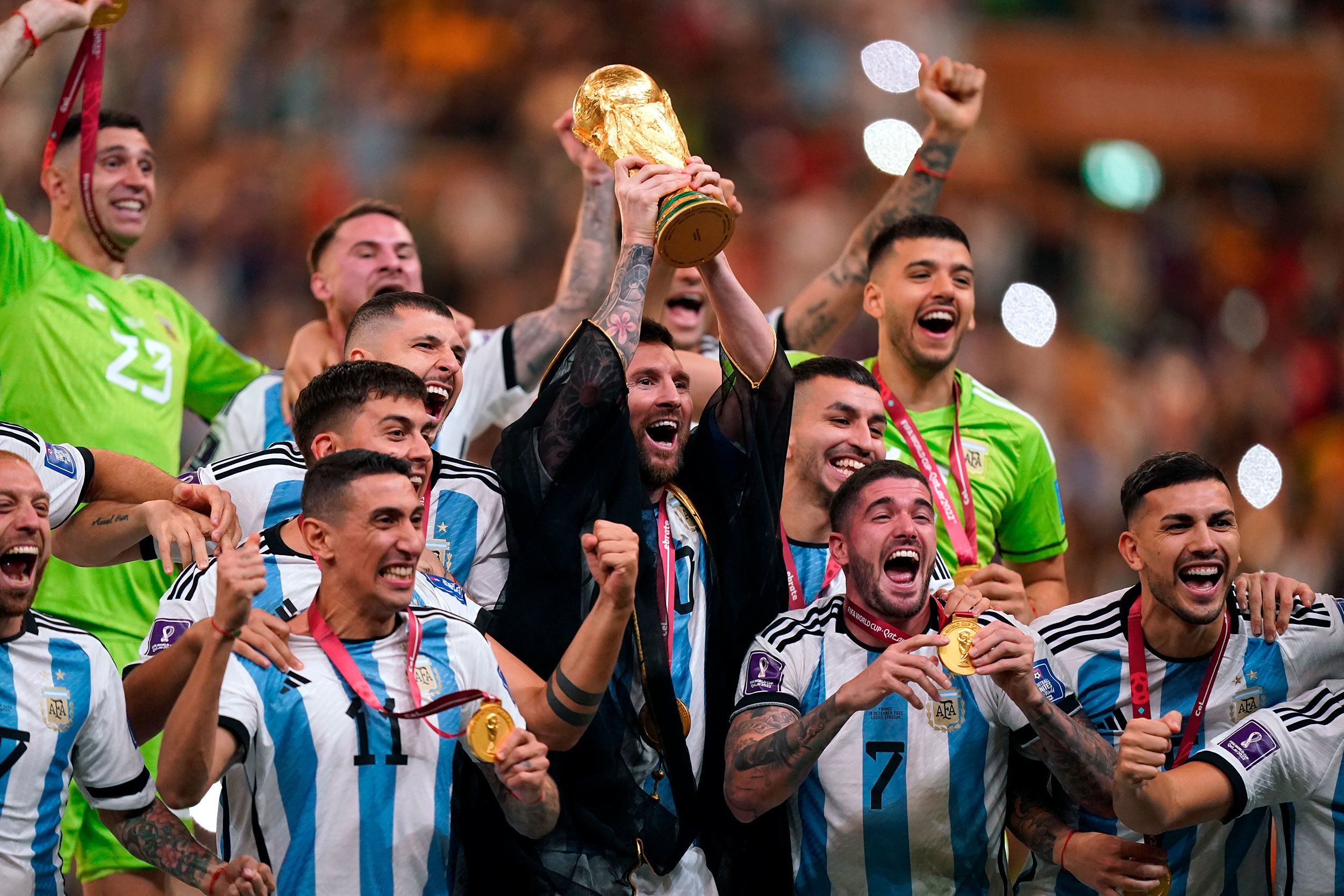
Messi has, in turn, become more vocal and expressive. He has transitioned from a quiet captain to one who actively motivates his teammates and celebrates their individual successes. This reciprocity creates a feedback loop: the more the team supports Messi, the more Messi invests himself in the team’s collective well-being.
This shift has also impacted the younger players entering the squad. New recruits are not entering a team where they must compete for attention with a superstar; instead, they enter a system where the superstar is the primary cheerleader for their development. This accelerates the integration of new talent into the Albiceleste system.
What are the broader implications of team bonding in international football?
The focus on “birthday treats” and social bonding is not an isolated phenomenon in Argentina; it is a growing trend in elite international football. Modern sports psychology suggests that “social capital”—the networks of relationships among people who live and work in a particular society—is a competitive advantage.
In a tournament like the World Cup, where teams live in isolated bubbles for weeks, the risk of mental fatigue and internal friction is high. Teams that prioritize social bonding are better equipped to handle the “bubble fatigue” that can lead to locker room disputes or dips in performance. By celebrating a birthday, the Argentina squad is essentially investing in their own mental resilience.
Furthermore, this approach contrasts with the more rigid, discipline-heavy environments of the past. While professional standards remain absolute, the introduction of “human” moments reduces the cortisol levels of the athletes, allowing for better recovery and focus during training sessions. According to performance experts, a player who feels loved and appreciated by their peers is more likely to push their physical limits for the benefit of the group.
For those interested in how this compares to other national teams, a related explainer on team cohesion strategies would provide further insight into how other top-tier nations manage their psychological preparation.
Common misconceptions about the Argentina squad’s atmosphere
There is a common misconception that a “relaxed” or “celebratory” atmosphere leads to a lack of discipline. Critics often argue that too much camaraderie can result in a loss of competitive edge or a failure to hold players accountable.
However, the evidence from the current Argentina squad suggests the opposite. The “treats” and celebrations occur within a framework of extreme professional discipline. Lionel Scaloni has maintained a strict tactical regime while allowing for social flexibility. This balance—known as “disciplined freedom”—allows players to be themselves off the pitch while remaining soldiers of the system on it.
Another misconception is that these celebrations are merely for the cameras or social media. While the images are shared, the internal reports indicate that these rituals are deeply ingrained in the team’s daily life. The birthday celebration for Messi is not a PR stunt, but a reflection of a genuine internal culture that has been built over several years of consistent success.
Key milestones in the Messi-Argentina journey
To understand the weight of the current squad’s relationship with Messi, one must look at the timeline of his international career. The journey from frustration to celebration has been long and fraught with tension.
- Early Career: Struggle to adapt to the national team environment; criticism regarding his commitment to the Albiceleste.
- 2014 World Cup: Reached the final but suffered a heartbreaking loss; relationship with the squad was professional but not yet familial.
- 2016 Retirement: A brief retirement from international football following a string of final losses, marking the lowest point of his international tenure.
- The Scaloni Era: A shift toward collective support and tactical flexibility; the birth of “La Scaloneta.”
- 2021 Copa América: The first major trophy on home soil, breaking a long drought and cementing the bond between Messi and the squad.
- 2022 World Cup: The pinnacle of his career, where the squad’s unity was cited as a primary factor in their victory.
Frequently Asked Questions
Why is the “birthday treat” for Lionel Messi considered news?
While a birthday party seems mundane, in the context of a World Cup preparation camp, it serves as a public indicator of team morale and chemistry. For a team as scrutinized as Argentina, these moments signal stability and unity, which are key predictors of performance in major tournaments.
Who is Lionel Scaloni and how did he change the team?
Lionel Scaloni is the manager of the Argentina national team. He shifted the team’s philosophy from a “Messi-centric” model to a collective support system. By prioritizing the psychological well-being of the players and creating a familial atmosphere, he helped the team achieve unprecedented success, including the 2022 World Cup title.
Does this celebration interfere with World Cup training?
No. According to team reports, these celebrations are integrated into the schedule as “recovery” or “bonding” periods. Sports psychologists argue that these brief breaks actually improve training efficiency by reducing stress and increasing player motivation.
How does the current Argentina squad differ from previous versions?
The current squad is characterized by high emotional intelligence and a lack of internal hierarchy. While Messi is the captain, the team operates as a supportive unit rather than a group of players serving a single star. This is a significant departure from the more rigid and often tense environments of previous decades.
What is the significance of the “La Scaloneta” term?
“La Scaloneta” is a colloquial term used by fans and players to describe the era of the national team under Scaloni. It represents more than just a coaching change; it symbolizes a cultural shift toward joy, collective effort, and unwavering support for one another.
As Argentina continues its journey toward future competitions, the balance between rigorous tactical preparation and genuine human connection remains their primary strength. The celebration of Lionel Messi’s birthday is a small but potent reminder that the strongest teams are often those that remember to be a family first and a professional unit second.
