
Live Updates: Massive Search and Rescue Effort Underway After Venezuela Quakes Kill At Least 188 People
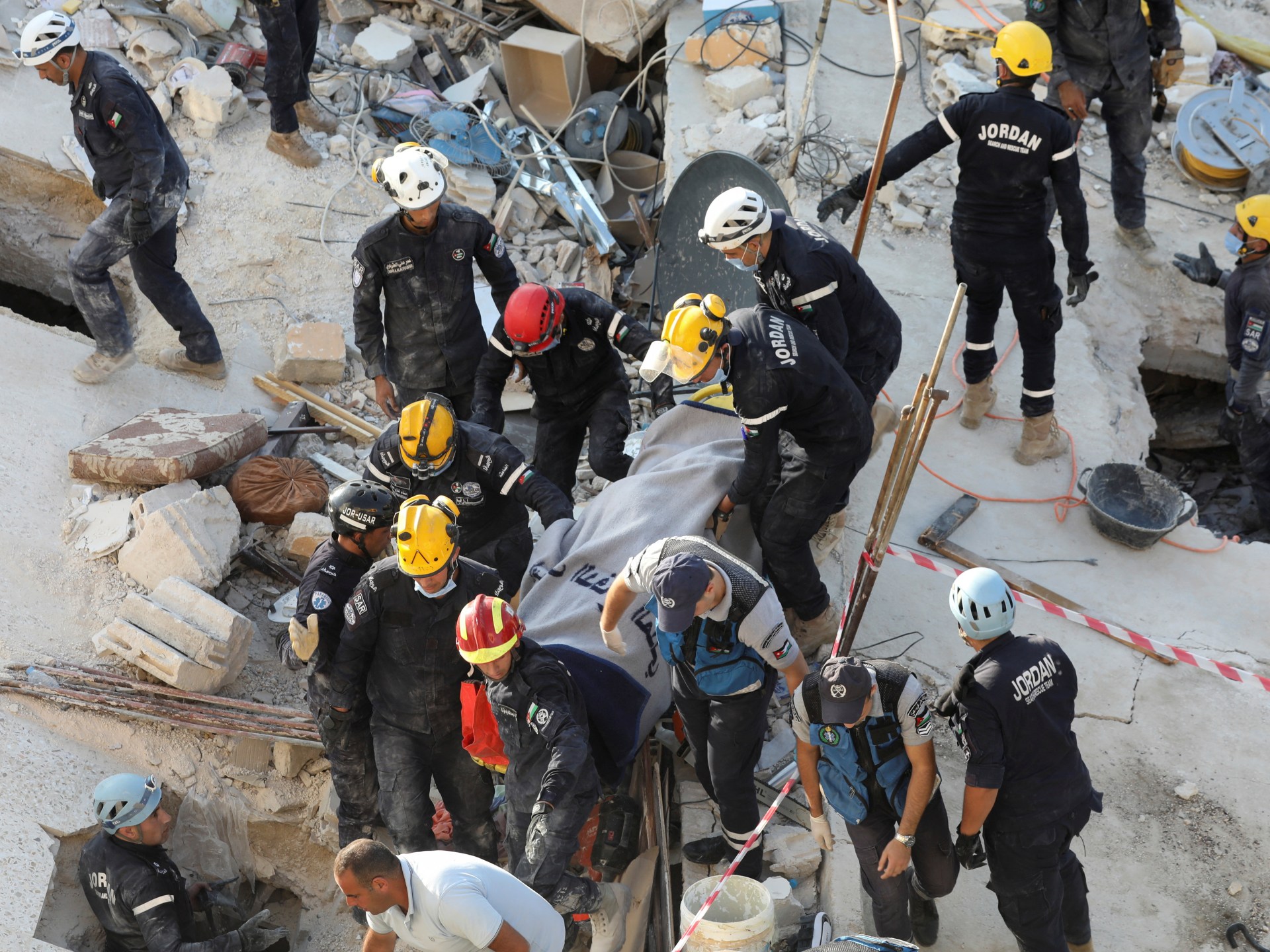
A massive search and rescue operation is currently active in Venezuela after a series of earthquakes left at least 188 people dead, according to reports from CNN and Al Jazeera. Bloomberg reports a higher death toll of 235. Emergency teams are prioritizing the search for survivors trapped under collapsed buildings.
What is the current death toll from the Venezuela earthquakes?
The number of confirmed fatalities continues to rise as rescue teams reach more affected areas. CNN and Al Jazeera report that at least 188 people have died. However, Bloomberg reports that the death toll has climbed to 235. This discrepancy in figures often occurs during the early stages of a disaster as different agencies verify casualties at different speeds.
Rescue workers are currently scouring ruins in the hardest-hit regions. The focus remains on extracting survivors from the rubble, though officials warn that the window for successful rescues is closing. The variance in reported deaths highlights the difficulty of communication and data collection in the wake of the seismic activity.
| Reporting Source | Reported Death Toll | Status of Reporting |
|---|---|---|
| CNN / Al Jazeera | 188+ | Initial confirmed minimum |
| Bloomberg | 235 | Updated cumulative count |
Where did the earthquakes hit and what is the scale of the damage?
The quakes have caused widespread destruction, triggering a massive search and rescue effort. While the exact epicenters are being analyzed, the impact has been severe enough to collapse residential structures and critical infrastructure. According to CNN, the scale of the disaster has necessitated an intensified rescue response to locate those missing under debris.
The damage is not limited to structural collapse. Local reports indicate that the seismic events have disrupted essential services, complicating the arrival of medical aid and heavy machinery needed to lift concrete slabs. The intensity of the tremors has left thousands displaced, with many seeking shelter in open spaces to avoid potential aftershocks.
- Structural Failures: Multiple residential buildings have completely collapsed.
- Infrastructure Loss: Power grids and water lines in affected zones are reported as unstable.
- Displacement: Thousands of residents are currently without homes.
Why were these Venezuelan earthquakes different from previous events?
Seismic experts are examining why this specific series of quakes resulted in such high casualty rates. According to NPR, there were distinct characteristics that made these earthquakes different from prior seismic activity in the region. These differences often relate to the depth of the quake, the duration of the shaking, or the specific way the seismic waves interacted with the local geography.
One critical factor in disaster impact is “site amplification,” where soft soils can increase the intensity of shaking. NPR’s analysis suggests that the nature of these quakes may have targeted structural vulnerabilities that previous, perhaps stronger, tremors did not. When earthquakes occur at shallower depths, the energy is released closer to the surface, often resulting in more violent shaking and higher rates of building collapse.
The combination of these geological factors and the existing state of urban infrastructure has created a “perfect storm” for casualties. This makes the current crisis more lethal than other events of similar magnitude in the region’s history.
Who is involved in the rescue and recovery operations?
The search and rescue effort is a multi-agency operation. Local emergency responders are working alongside specialized teams to locate survivors. Al Jazeera reports that as rescue efforts intensify, the priority is the “golden hour”—the critical window where the chance of finding survivors is highest.
The operation involves several key stakeholders:
- First Responders: Local firefighters and police who arrived first on the scene.
- Specialized SAR Teams: Units trained in urban search and rescue (USAR) using acoustic sensors and search dogs.
- Medical Personnel: Field hospitals have been established to treat the injured before they can be transported to permanent facilities.
- Community Volunteers: Local citizens are assisting in digging through rubble by hand.
“Rescue efforts intensify as teams race against time to find survivors trapped beneath the wreckage,” according to reporting from Al Jazeera.
How is the crisis affecting the most vulnerable populations?
The earthquakes have hit a population already strained by economic and political instability. The New York Times highlights the plight of individuals who are particularly vulnerable, such as those who have recently returned to the country. One reported case involves a man who was deported back to Venezuela and had attempted to restart his life, only to have his progress wiped out by the quakes.
This narrative underscores a broader systemic issue: the lack of a social safety net. For those living in informal housing or recently relocated, the earthquakes did not just destroy buildings; they destroyed the few assets these individuals had managed to accumulate. The intersection of deportation, poverty, and natural disaster creates a layer of hardship that complicates the recovery process.
Vulnerable groups face several immediate challenges:
- Lack of Insurance: Most victims have no financial protection against property loss.
- Housing Insecurity: Those in makeshift shelters are more exposed to the elements.
- Limited Access to Aid: Deportees or undocumented residents may fear seeking official help.
For more on the regional impact of such disasters, see a related explainer on humanitarian aid logistics.
What are the long-term implications for Venezuela’s infrastructure?
The immediate focus is on saving lives, but the long-term recovery will be a monumental task. The fact that these quakes were “different,” as noted by NPR, suggests that previous building codes or assumptions about seismic risk may have been insufficient. This will likely necessitate a complete overhaul of how the country approaches urban planning and construction.
Economic constraints make this reconstruction difficult. Venezuela has struggled with hyperinflation and a declining GDP, meaning the government may lack the funds to rebuild according to modern seismic standards. This creates a risk of “secondary vulnerability,” where new buildings are constructed quickly and cheaply, leaving them susceptible to future quakes.
Furthermore, the psychological impact on the population cannot be ignored. The trauma of the event, coupled with the existing socio-economic crisis, may accelerate migration patterns as people seek stability elsewhere. The loss of 188 to 235 lives is a tragedy, but the loss of thousands of homes represents a generational setback for the affected communities.
Common Misconceptions About the Disaster
In the wake of breaking news, several misconceptions often circulate. It is important to distinguish between reported facts and speculation.
Misconception 1: The death toll is final.
As seen in the difference between CNN’s 188 and Bloomberg’s 235, the death toll is fluid. Numbers typically rise as more remote areas are reached and missing persons are confirmed dead.
Misconception 2: All earthquakes of this magnitude cause similar damage.
As NPR points out, the specific characteristics of these quakes made them different. Magnitude is only one part of the equation; depth, duration, and soil type determine the actual destruction.
Misconception 3: International aid is the only solution.
While international help is vital, the New York Times reporting shows that local resilience and community-led rescue efforts are often the first and most effective line of defense in the initial hours.
Frequently Asked Questions
How many people died in the Venezuela earthquakes?
Reports vary as the situation evolves. CNN and Al Jazeera report at least 188 deaths, while Bloomberg reports the toll has reached 235.

Why is the rescue effort described as “massive”?
The scale is considered massive because of the number of collapsed buildings and the widespread nature of the damage, requiring the coordination of multiple emergency agencies and specialized search and rescue teams.
What made these earthquakes different from others in the region?
According to NPR, these quakes had unique characteristics—potentially related to seismic wave behavior or depth—that caused more damage than typical earthquakes of similar magnitude in Venezuela.
Who is most affected by the earthquake damage?
While the disaster affects all residents, the New York Times reports that vulnerable populations, including deported individuals and those in poor housing, suffer disproportionately due to a lack of resources and safety nets.
Are there still survivors being found?
Yes, rescue efforts are ongoing. Teams are using specialized equipment to locate survivors trapped under rubble, though the likelihood of rescue decreases as time passes.
For further updates on seismic activity and safety protocols, you may find a related guide on earthquake preparedness useful.
