Trump Proposes Himself to Replace Anniversary Concert: A Shift in US Freedom 250 Plans
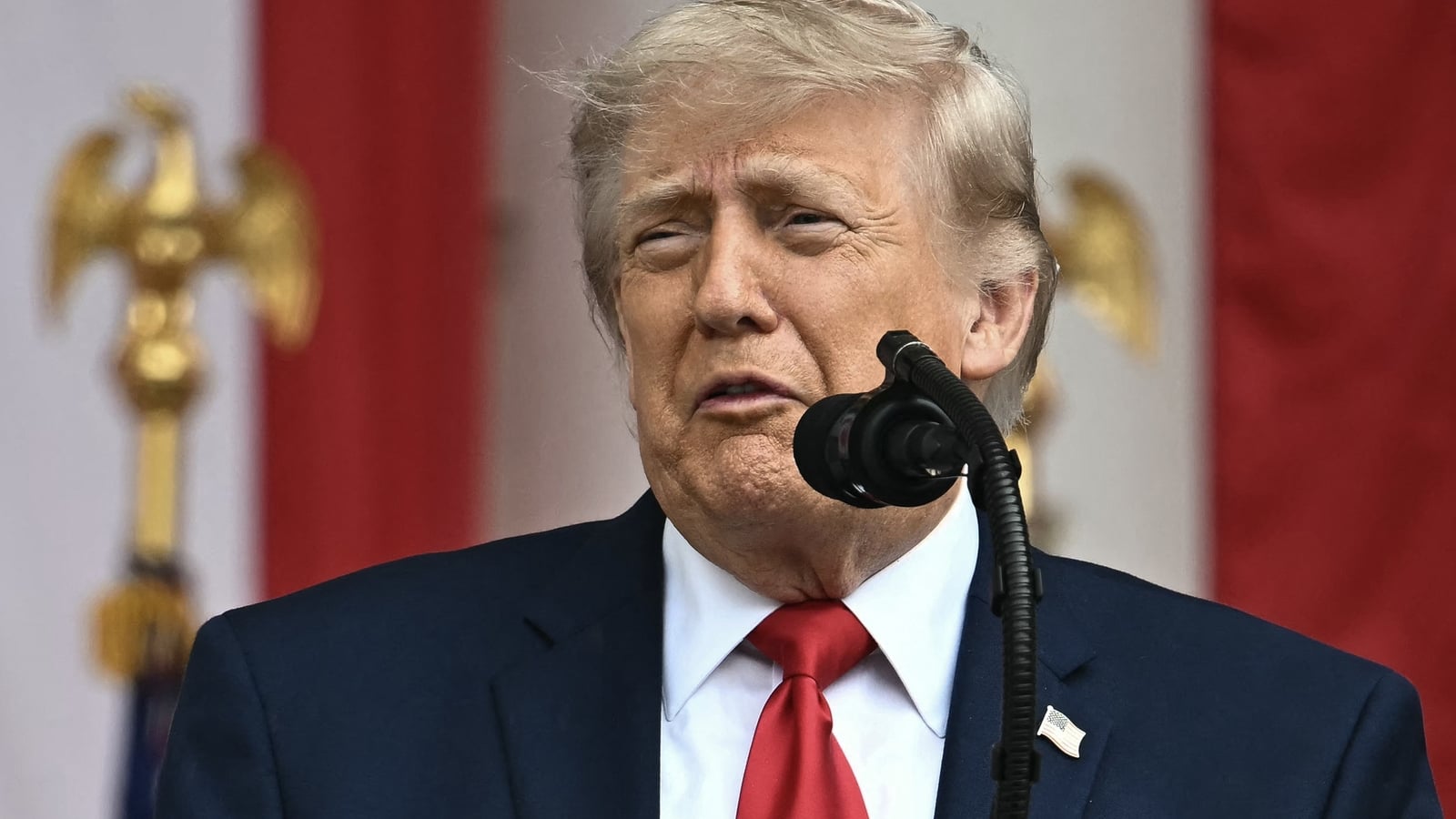
The preparations for the United States’ semiquincentennial—the 250th anniversary of the nation’s founding—have entered a period of significant turbulence. What was intended to be a unifying series of musical performances has instead become a flashpoint for political tension. In a move that has drawn global headlines, including reports where Trump proposes himself to replace anniversary concert – RTE.ie and other major news outlets have highlighted, the U.S. President has suggested stepping in to headline the festivities after a wave of artists withdrew from the scheduled events.
The transition from a curated concert series to a potential “wild rally” marks a fundamental shift in how the “US Freedom 250” celebrations are being envisioned. This development underscores a growing divide between the current administration and the entertainment industry, turning a milestone of national history into a debate over cultural representation and political expression.
The Crisis Surrounding US Freedom 250
The US Freedom 250 celebration was designed as a landmark cultural event, intended to bring together the nation’s most prominent musical talents to commemorate two and a half centuries of American independence. However, the event has been plagued by a series of high-profile withdrawals. Several artists have backed out of the concert series, leaving significant gaps in the programming and creating a logistical vacuum for organizers.
The exodus of performers has not gone unnoticed by the White House. Rather than seeking alternative musical acts to fill the void, President Trump has responded with a mixture of criticism toward the departing artists and a proposal to center the event around his own presence. This pivot suggests a move away from a traditional celebratory concert and toward a more political manifestation of leadership.
Key Drivers of the Program Shift
- Artist Withdrawals: A significant number of scheduled performers have opted out of the anniversary series, leading to a depleted lineup.
- Administrative Response: The President has publicly attacked the artists who dropped out, framing their departure as a political or cultural slight.
- Proposed Alternative: The suggestion of a “major speech” or a “wild rally” as a replacement for the musical performances.
From Concert to Rally: The New Proposal
The core of the current controversy lies in the President’s suggestion that he personally headline the celebration on the National Mall. Rather than a series of concerts featuring diverse musical genres, the proposal floats the idea of a massive rally—a format that has become a hallmark of the President’s political identity.
The proposal to replace a curated musical celebration with a “wild rally” represents a shift from a cultural commemoration to a political event, fundamentally altering the intended atmosphere of the 250th anniversary.
By proposing a “major speech” in place of the concerts, the administration is effectively rebranding the anniversary. While a concert is typically designed to be a passive, celebratory experience for a broad audience, a rally is an active political engagement. This change in format suggests that the celebration of the nation’s 250th year may be used as a platform for a specific political vision rather than a broad cultural reflection.
The Symbolic Significance of the National Mall
The choice of the National Mall as the venue adds another layer of complexity. As the symbolic heart of American democracy, the Mall is the traditional site for both national mourning and national celebration. Moving from a concert format to a rally format on this specific ground transforms the event into a powerful statement of authority, and presence.
The Elvis Presley Comparison and Cultural Branding
In a move that blends political theater with pop-culture references, the President has reportedly made claims linking his potential appearance to that of Elvis Presley. By invoking the image of the “King of Rock and Roll,” the President appears to be framing his draw as a performer or a central attraction as being on par with the greatest icons in American music history.
This comparison is more than just a rhetorical flourish; It’s an attempt to validate the “rally” format as a form of entertainment in its own right. By positioning himself as a headliner capable of drawing a crowd similar to a legendary musician, the President is challenging the notion that the anniversary requires professional musicians to be successful.
This strategy reflects a broader trend of “celebrity politics,” where the persona of the leader becomes the primary attraction, overshadowing the traditional formalities of state celebrations. The claim suggests that for a segment of the population, the presence of the President is a more potent draw than a lineup of contemporary recording artists.
Analysis of the Political and Cultural Implications
The clash over the US Freedom 250 concerts is a microcosm of the broader tension between the U.S. Government and the creative arts community. When artists pull out of state-sponsored events, it is often a signal of ideological misalignment. Conversely, when a leader proposes to replace those artists with their own political rhetoric, it reinforces the perception of a polarized cultural landscape.
Potential Consequences of the Shift
The transition from a concert to a rally could have several long-term implications for the legacy of the 250th anniversary:
| Aspect | Original Concert Vision | Proposed Rally Vision |
|---|---|---|
| Primary Goal | Cultural unity and celebration | Political mobilization and leadership display |
| Audience Appeal | Broad, multi-generational, music-focused | Core political base, event-focused |
| Tone | Festive and artistic | Energetic and rhetorical |
| Industry Relation | Collaborative with the arts sector | Adversarial or dismissive of the arts sector |
If the event proceeds as a rally, it may alienate those who viewed the anniversary as a moment for national reconciliation. However, for supporters of the administration, such a move could be seen as a bold reclamation of national symbols and a rejection of “elitist” artistic circles.
Common Misconceptions About the Anniversary Events
As news of the shifting plans spreads, several misconceptions have emerged regarding the nature of the US Freedom 250 celebrations. It is important to clarify the facts based on current reports.
Misconception 1: The entire anniversary is canceled.
The anniversary celebrations are not canceled; rather, the format of specific events on the National Mall is being contested. The 250th anniversary involves numerous local and national activities, but the headline events are what currently face restructuring.
Misconception 2: All artists have boycotted the event.
While several artists have backed out, it is not a universal boycott. The tension is concentrated among a group of high-profile performers, which has created the gap that the President has proposed to fill.
Misconception 3: The rally is already officially scheduled.
At this stage, the President is “floating” the idea and “mulling” the possibility of appearing himself. While the rhetoric is strong, the final logistical plan for the National Mall celebration remains in a state of flux.
The Broader Context of National Commemorations
Historically, U.S. Anniversaries have been used to project a specific image of the country to the world. From the Centennial in 1876 to the Bicentennial in 1976, these events usually balance patriotic fervor with cultural showcases. The 1976 Bicentennial, in particular, was marked by a massive effort to involve the arts and community-led celebrations to foster a sense of shared identity during a period of post-Vietnam and post-Watergate cynicism.
The current situation with the US Freedom 250 is a departure from this tradition. Instead of using the arts to bridge political divides, the current conflict sees the arts as a battleground. The proposal to replace a concert with a political rally suggests a shift toward a more personalized form of nationalism, where the celebration of the state is inextricably linked to the persona of the current leader.
For those interested in how political leadership influences national symbols, a related explainer on the history of National Mall events could provide further insight into how this venue has been used for both protest and celebration throughout American history.
Frequently Asked Questions
Why are artists pulling out of the US Freedom 250 concerts?
While specific reasons for every artist vary, the withdrawals are generally linked to political tensions and a lack of alignment between the performers and the current administration’s direction. This has led to a significant number of artists backing out of the scheduled anniversary series.
What does “Trump proposes himself to replace anniversary concert – RTE.ie” actually mean?
This refers to reports—highlighted by outlets like RTE.ie—that President Trump has suggested he should be the main attraction of the 250th anniversary celebration on the National Mall, offering a “major speech” or a “wild rally” as a substitute for the musical acts that have withdrawn.
/national-mall-56a236b35f9b58b7d0c7f6ad.jpg "National Mall")
Where will the anniversary celebration take place?
The primary focus of the current controversy is the celebration planned for the National Mall in Washington, D.C., which serves as the central location for the US Freedom 250 events.
Did the President really compare himself to Elvis Presley?
Yes, reports indicate that the President made a claim involving Elvis Presley while suggesting he could headline the event, framing his ability to draw a crowd in a manner similar to the legendary musician.
Is the US Freedom 250 still happening?
Yes, the 250th anniversary of the United States is a fixed historical milestone and the celebrations are proceeding, although the specific nature of the National Mall events is currently being renegotiated due to the artist withdrawals and the President’s counter-proposals.
As the date of the semiquincentennial approaches, the final decision on whether the National Mall will host a diverse musical tribute or a centralized political rally will serve as a significant indicator of the current state of American cultural and political unity. The resolution of this conflict will likely determine whether the 250th anniversary is remembered as a moment of national cohesion or a reflection of a deeply divided society.
