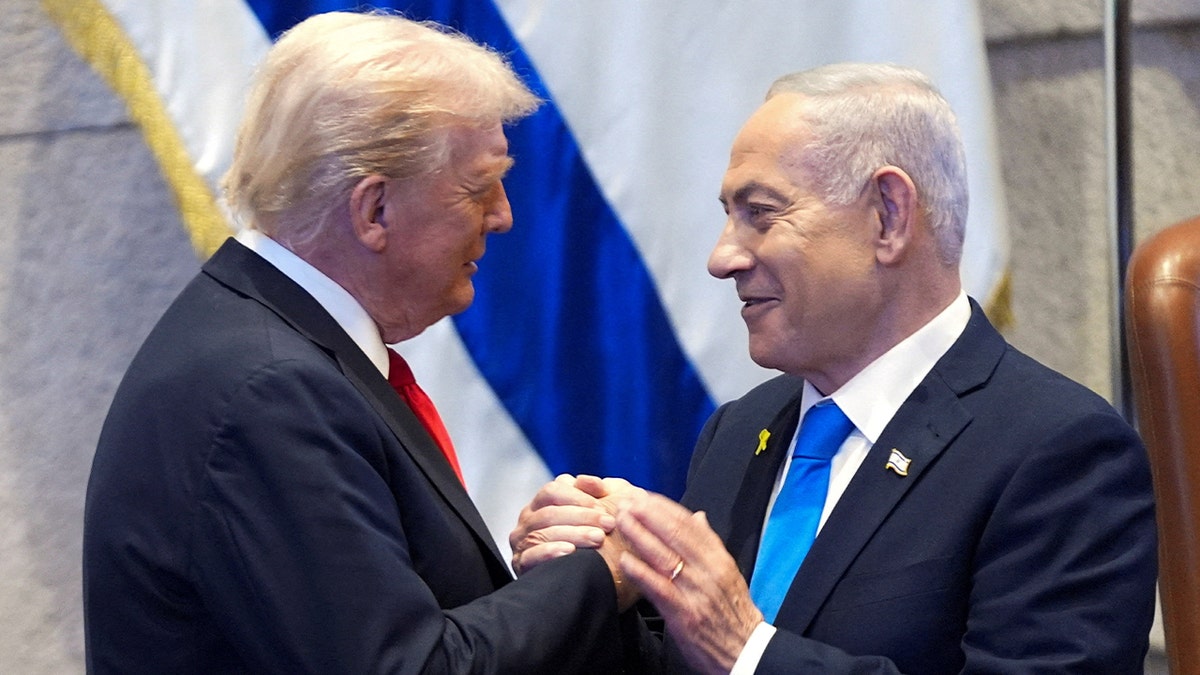
The U.S.-Iran nuclear deal under President Donald Trump has drawn sharp scrutiny after weeks of negotiations, with regional leaders and international observers assessing its potential to alter the geopolitical landscape of the Middle East. According to local media reports, the agreement—finalized amid heightened tensions following years of sanctions and diplomatic stalemates—has sparked both cautious optimism and fierce criticism from political figures across the region.
How the Deal Unfolded
The agreement, announced after months of backchannel discussions, centers on limiting Iran’s nuclear program in exchange for the lifting of economic sanctions. U.S. officials described the pact as a “tangible step toward regional stability,” while Iranian leaders emphasized that the deal would “protect national sovereignty and economic recovery.” The terms, however, remain opaque, with no official document released publicly as of Thursday.
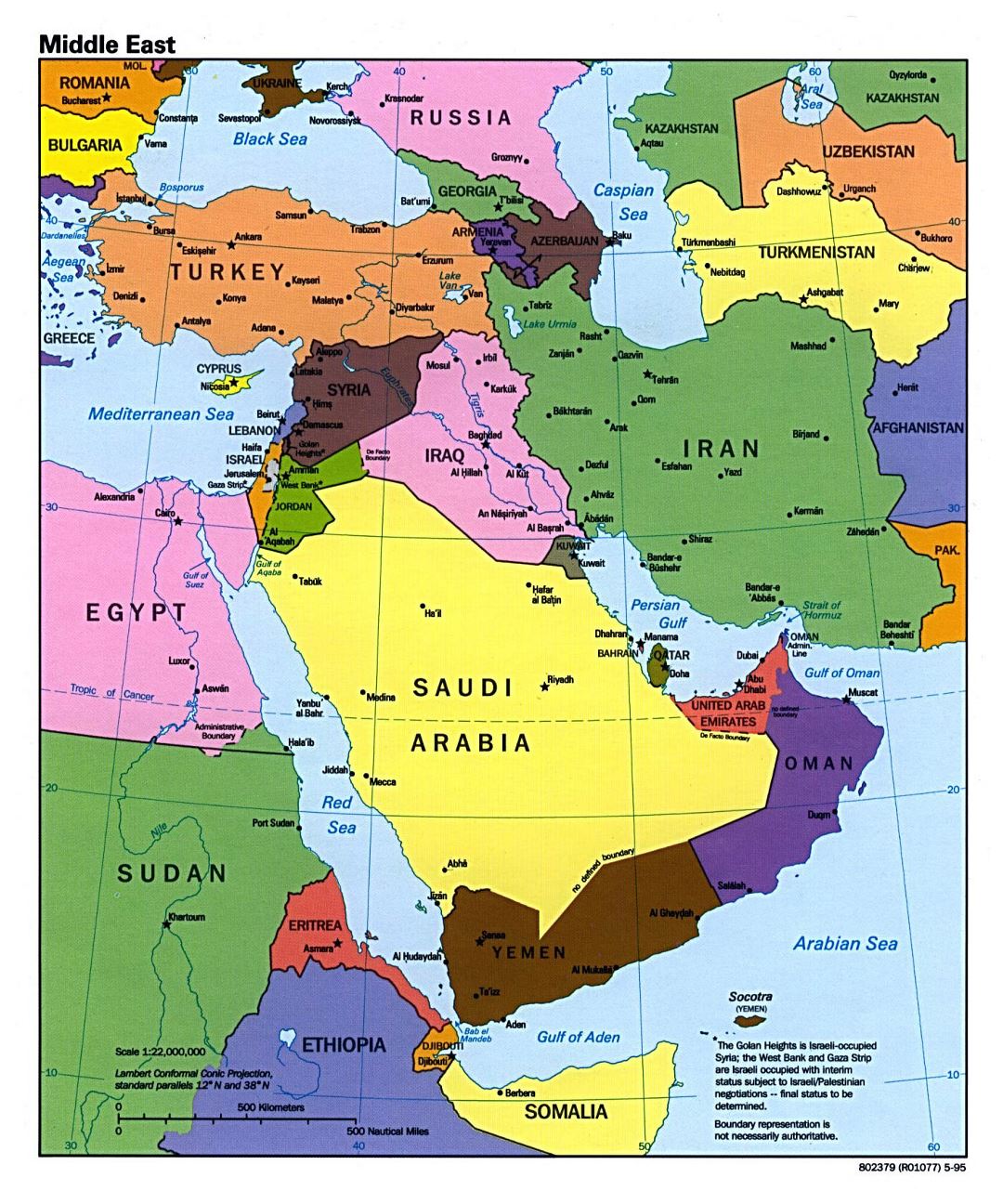
Israeli Prime Minister Benjamin Netanyahu faced immediate domestic pressure after the deal was revealed. According to government sources, Netanyahu’s office issued a statement condemning the agreement as “a missed opportunity to address Iran’s regional aggression,” a stance echoed by opposition parties in Israel. The prime minister’s office did not immediately respond to requests for further comment.
International Reactions
The European Union expressed cautious support, with a spokesperson stating, “The agreement represents a critical opportunity to de-escalate tensions and ensure nuclear non-proliferation.” However, regional allies of the U.S., including Saudi Arabia and the United Arab Emirates, voiced concerns about Iran’s continued influence in the Middle East. A senior Saudi official told local media, “While we welcome dialogue, we remain vigilant about Iran’s military activities in the region.”
Iranian President Ebrahim Raisi addressed the deal in a televised speech, stating, “This is a moment we cannot let slip away. We will safeguard our rights and pursue peaceful development.” The statement was broadcast by state media, which also highlighted public demonstrations in Tehran supporting the agreement.
What This Means for Regional Stability
The deal’s long-term impact remains uncertain. Analysts note that Iran’s adherence to the agreement will depend on the U.S. fulfilling its commitments, including the release of frozen assets and the easing of trade restrictions. A report from the International Crisis Group warned that “without robust verification mechanisms, the deal risks becoming another fragile pause in a decades-long conflict.”
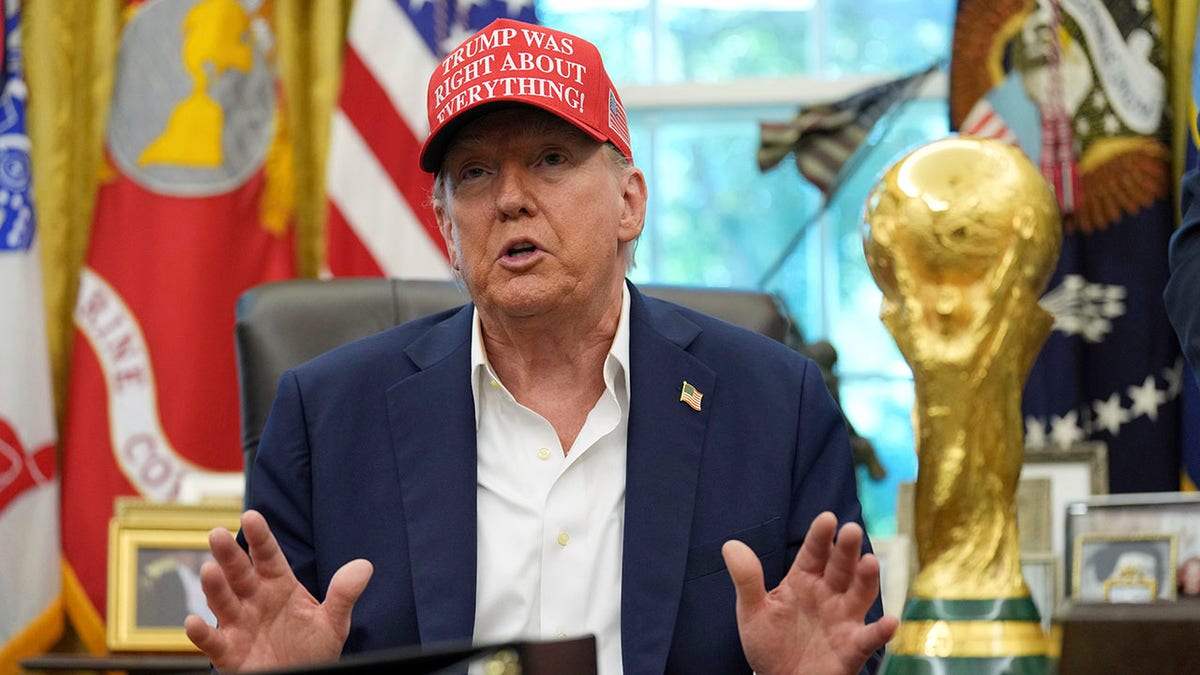
U.S. Secretary of State Antony Blinken is set to address the Senate Foreign Relations Committee on Friday, where he is expected to outline the administration’s strategy for implementing the agreement. The testimony will be livestreamed, according to a congressional aide.
What’s Next
The next critical step involves the U.S. Treasury Department’s review of Iran’s compliance with the deal’s initial terms. A senior official confirmed that the process could take several weeks, with a preliminary assessment expected by early March. Meanwhile, Iran has signaled its willingness to engage in additional talks, provided the U.S. maintains its commitments.
As the region watches, the deal’s success will hinge on the ability of both sides to balance security concerns with economic and diplomatic imperatives. For now, the agreement remains a fragile bridge across a historically turbulent divide.
