
New Shark Species Which Walks on Its Fins Discovered in the Pacific – 1News
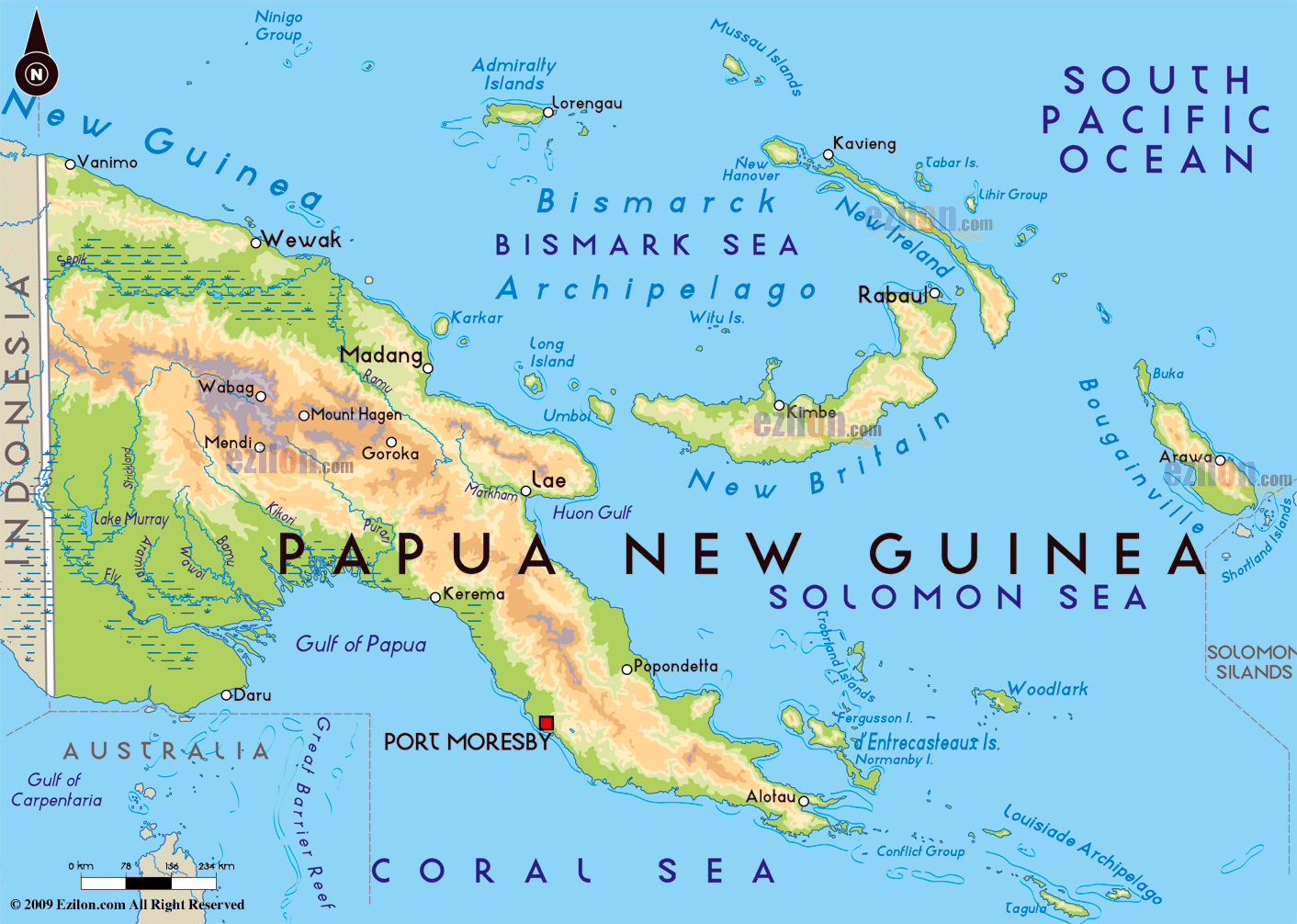
Australian scientists have identified a new species of shark in Papua New Guinea that possesses the rare ability to “walk” on its fins. According to reports from 1News and RNZ, the discovery occurred in the Pacific waters of Papua New Guinea, where researchers found the shark utilizing its pectoral and pelvic fins to navigate the seafloor.
How the New Walking Shark Species Navigates the Pacific
The newly discovered shark differs from traditional pelagic species by its ability to move across the seabed without relying solely on swimming. According to the reports, the shark uses its muscular fins to propel itself forward, a behavior that allows it to traverse shallow reef environments and tide pools where swimming would be inefficient or impossible.
This “walking” mechanism is a specialized evolutionary adaptation. While most sharks must maintain constant forward motion to push oxygen-rich water over their gills, benthic sharks—those that live on the bottom—have evolved to survive in low-oxygen environments. By using their fins to crawl, they can enter narrow crevices and shallow areas to hunt for prey while minimizing energy expenditure.
The Mechanics of Fin-Walking
Biologically, the process involves a coordinated shift in weight and pressure. The shark leverages its pectoral fins (the pair of fins on either side of the head) and its pelvic fins (located further back) to push off the substrate. This movement is not a true walk in the mammalian sense but a series of rhythmic pushes that shift the shark’s center of gravity forward.
Key biological features that enable this movement include:
- Enhanced Musculature: Stronger basal muscles in the fins compared to open-ocean sharks.
- Flexible Fin Structure: A more articulated fin base that allows for a wider range of motion.
- Benthic Specialization: A body shape optimized for the seafloor rather than high-speed pursuit in open water.
The Role of Australian Scientists in the Papua New Guinea Discovery
The discovery is the result of research conducted by Australian scientists operating within the waters of Papua New Guinea. According to RNZ, the team’s efforts focused on cataloging the marine biodiversity of the region, which is known as one of the most biologically diverse areas on Earth.
The identification of a new species typically involves a combination of field observation and laboratory analysis. Researchers look for specific morphological differences—such as fin shape, gill slit placement, and coloration—and confirm these findings through DNA sequencing. By comparing the genetic markers of the PNG specimen with known shark species, the Australian team was able to verify that this was a previously undocumented species.
The ability of a shark to walk on its fins represents a significant evolutionary divergence from the streamlined, swimming-centric design of the majority of the Selachimorpha superorder.
Why the Discovery in Papua New Guinea Matters
The discovery of a new walking shark species is more than a biological curiosity; it provides critical data on how marine life adapts to extreme or fluctuating environments. Papua New Guinea sits within the Coral Triangle, a region containing the highest diversity of coral reefs and reef fish in the world.
According to marine biology standards, the presence of specialized species like the walking shark indicates a healthy, complex ecosystem. These sharks occupy a specific niche in the food web, acting as predators of small crustaceans and fish in shallow waters where larger predators cannot reach.
Ecological Significance and Biodiversity
The Pacific Ocean, particularly around PNG, serves as a laboratory for evolutionary biology. The discovery of a “walking” species suggests that the environmental pressures of the region—such as tide-dependent oxygen levels and complex reef structures—have driven the evolution of unique locomotory traits.
This find adds to the growing body of evidence that the deep and shallow waters of the Pacific still hold numerous undiscovered species. It highlights the importance of continued exploration and the protection of these habitats from climate change and overfishing.
| Feature | Walking Sharks (Benthic) | Pelagic Sharks (Open Ocean) |
|---|---|---|
| Primary Movement | Fin-walking and slow swimming | Constant, high-speed swimming |
| Habitat | Shallow reefs, tide pools | Deep ocean, open water |
| Oxygen Adaptation | Can tolerate low-oxygen (hypoxic) water | Requires high-oxygen flow via ram ventilation |
| Body Size | Generally small to medium | Varies, often significantly larger |
Comparing the New Find to Known Walking Sharks
While the news of a “walking shark” may seem unprecedented, it belongs to a broader group of sharks, most notably the epaulette sharks (genus Hemiscyllium). However, the discovery of a new species in the Pacific indicates that this trait has evolved or diversified in ways previously unknown to science.
The distinction between the new species and its relatives often comes down to subtle genetic differences and specific habitat preferences. For example, some walking sharks are restricted to very specific river mouths or isolated reef systems, leading to “speciation,” where a population evolves into a distinct species because it is geographically cut off from others.
Common Misconceptions About Walking Sharks
One common misconception is that these sharks can walk on land. They cannot. The “walking” behavior occurs entirely underwater or in very shallow tide pools. They still rely on gills to breathe and cannot survive outside of an aquatic environment. Another misconception is that they are dangerous to humans; in reality, these benthic sharks are typically small and non-aggressive compared to their larger cousins like the Great White or Tiger shark.

For more information on marine biology, you may find a related explainer on the Coral Triangle’s biodiversity useful.
Implications for Marine Conservation
The identification of a new species often triggers a reevaluation of the conservation status of a region. According to environmental protocols, once a new species is discovered, researchers must determine its population size and the primary threats to its survival.
The walking shark’s reliance on shallow reefs makes it particularly vulnerable to several factors:
- Coral Bleaching: As ocean temperatures rise, the reef structures these sharks use for hunting and hiding are disappearing.
- Pollution: Runoff from coastal development can degrade the water quality of the shallow pools these sharks inhabit.
- Habitat Fragmentation: The loss of connected reef systems can isolate populations, reducing genetic diversity.
By documenting the existence of the walking shark in Papua New Guinea, Australian scientists provide the necessary evidence for local and international bodies to argue for the creation of Marine Protected Areas (MPAs). These zones limit human interference and ensure that the specialized habitats required for fin-walking are preserved.
The Process of Species Identification in the Pacific
Identifying a new shark species is a rigorous process that prevents “false discoveries.” The Australian team likely followed a standardized scientific pipeline to ensure the validity of the find.
Morphological Analysis
Scientists first examine the physical characteristics of the shark. This includes counting the number of vertebrae, measuring the distance between the dorsal fins, and examining the tooth structure. In the case of the walking shark, the structure of the pectoral fins was a primary point of interest.
Genetic Sequencing
To confirm the species is truly new, researchers extract DNA from a small tissue sample. They sequence specific genes (often the mitochondrial DNA) and compare them to a global database of shark genomes. If the genetic distance between the new specimen and the closest known relative exceeds a certain threshold, it is classified as a new species.
Peer Review and Publication
Before the news reaches outlets like 1News and RNZ, the findings are typically submitted to a scientific journal. Other experts in the field review the data, the methodology, and the evidence to ensure the claims are supported by facts. Only after this peer-review process is the discovery officially recognized by the scientific community.
FAQ: Understanding the Walking Shark Discovery
Where exactly was the walking shark discovered?
The new species was discovered in the Pacific waters of Papua New Guinea (PNG), a region known for its extreme marine biodiversity.

Who discovered the new shark species?
The discovery was made by a team of Australian scientists conducting research in the region.
Can these sharks actually walk on land?
No. The term “walking” refers to their ability to use their fins to move across the seafloor and through shallow tide pools while remaining underwater.
Why do these sharks walk instead of swim?
Walking allows them to navigate shallow, complex reef environments and survive in areas with low oxygen levels where swimming would be inefficient.
Is this shark a threat to humans?
No. These sharks are benthic, generally small, and do not possess the predatory behaviors associated with large, open-ocean shark species.
The discovery of this species underscores the vast amount of unexplored life in the Pacific. As researchers continue to study the waters of Papua New Guinea, the integration of genetic technology and field exploration is likely to reveal further adaptations that challenge our understanding of shark evolution. The focus now shifts to understanding the population density of this new species and implementing conservation strategies to protect its fragile reef habitat.
