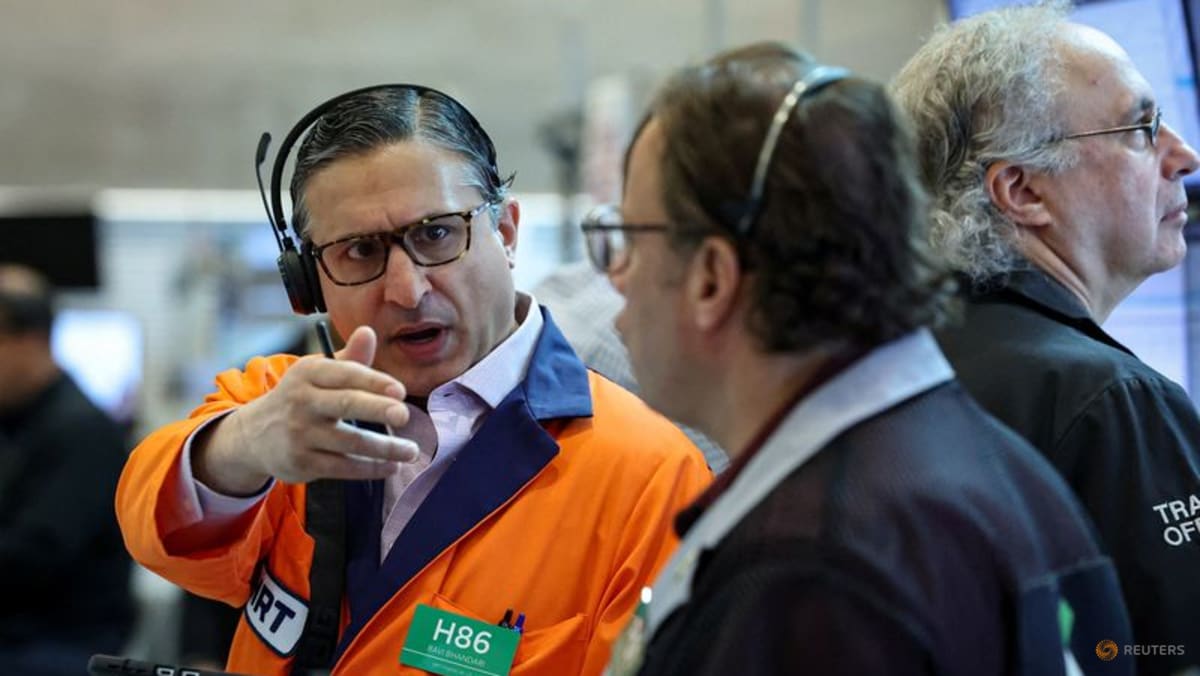
Markets Surge as Trump Halts Planned Military Action Against Iran
Global equities rose and the U.S. dollar and oil prices declined after President Trump cancelled planned military strikes against Iran, according to CNA. The decision follows threats of a “very hard” attack and warnings that the U.S. might seize Iranian oil infrastructure, including Kharg Island, as reported by CNBC and the BBC.
Why did equities rally while the dollar and oil dipped?
Financial markets reacted immediately to the reduction in geopolitical risk. According to CNA, the rally in equities occurred because the immediate threat of a military conflict in the Persian Gulf subsided. Investors typically move capital out of “risk-on” assets, such as stocks, and into “safe-haven” assets when the threat of war increases. When President Trump announced the cancellation of the strikes, that flow reversed.
The U.S. dollar experienced a dip as the urgency for a safe-haven currency diminished. In times of high international tension, traders often flock to the dollar to protect their capital from volatility. As the immediate crisis faded, the demand for the dollar softened, leading to the price drop reported by CNA.
Oil prices fell because the risk of a supply disruption vanished. The BBC and CNBC highlighted that the U.S. had specifically threatened Iranian oil infrastructure. Since Iran is a major oil producer, any strike on its facilities—particularly its primary export terminals—would have likely caused a spike in global crude prices due to fears of a shortage. The cancellation of these attacks removed that “war premium” from the price of oil.
What were the specific targets of the threatened US strikes?
The Trump administration had signaled a willingness to target critical Iranian energy assets. According to CNBC, President Trump specifically threatened to seize Kharg Island. Kharg Island serves as Iran’s primary oil export terminal, making it the single most important point for the country’s oil revenue and global exports.
The threat to seize or attack this infrastructure represented a significant escalation in the U.S. strategy toward Tehran. By targeting the economic lifeline of the Iranian state, the administration aimed to exert maximum pressure on the Iranian government. The BBC reported that Trump had characterized the potential military response as a “very hard” attack scheduled for the night of the announcement before he ultimately decided to halt the operation.
“Trump says he has ‘cancelled’ strikes against Iran after threatening ‘very hard’ attack tonight,” the BBC reported.
The Strategic Importance of Kharg Island
Kharg Island is not merely a piece of land but a massive industrial hub. Because most of Iran’s crude oil exports are loaded onto tankers there, any disruption to the island would effectively freeze Iran’s ability to fund its government through oil sales. A U.S. seizure of the island would have been an unprecedented move in modern naval warfare, shifting the conflict from targeted strikes to the occupation of critical infrastructure.
Why did the Trump administration threaten military action?
According to reporting from CNN, the shift toward military threats stemmed from a sense of frustration within the White House. CNN suggests that the administration turned back toward the possibility of bombing campaigns as a means to “force Iran’s hand.”
This tactic is part of a broader pattern of escalation and de-escalation used to bring Iran back to the negotiating table or to force concessions regarding its nuclear program and regional influence. The administration’s approach has fluctuated between economic sanctions and the threat of kinetic military action to create a state of instability for the Iranian leadership.
The sequence of events suggests a strategy of “brinkmanship,” where the U.S. pushes a situation to the edge of war to demonstrate resolve, only to pull back once the opponent is sufficiently pressured or a diplomatic window opens.
Timeline of Escalation and Market Reaction
The volatility in the markets mirrored the volatility of the political rhetoric. The following table outlines the progression of the event based on reports from CNA, BBC, and CNBC.
| Event Phase | Action/Statement | Market Impact | Source |
|---|---|---|---|
| Escalation | Threats of “very hard” attack and seizure of Kharg Island | Oil prices rise; Equities dip; USD strengthens | CNBC / BBC |
| Peak Tension | Strikes threatened for “tonight” | High volatility; Safe-haven buying increases | BBC |
| De-escalation | Trump announces strikes are “cancelled” | Equities rally; Oil prices drop; USD dips | CNA |
How does this fit into the broader US-Iran conflict?
The recent threats and subsequent cancellation are consistent with the “maximum pressure” campaign. This strategy relies on a combination of heavy economic sanctions and military posturing. By threatening the very infrastructure that allows Iran to bypass some sanctions, the U.S. attempts to make the cost of Iranian policy unsustainable.
However, as CNN noted, the reliance on “bombs to force Iran’s hand” indicates a perceived failure of sanctions alone to achieve the administration’s goals. This creates a cycle where military threats are used as a psychological tool. For investors, this cycle creates “headline risk,” where a single social media post or official statement can trigger billions of dollars in market shifts within minutes.
Comparison of Media Framing
Different news outlets highlighted different aspects of this event:
- CNA focused heavily on the economic fallout, linking the political decision directly to the rally in equities and the dip in the dollar and oil.
- The BBC emphasized the timing and the severity of the threat, focusing on the “very hard” nature of the planned attack.
- CNBC provided the specific tactical detail regarding Kharg Island, framing the story around energy infrastructure and oil security.
- CNN provided the psychological context, attributing the threats to a “frustrated” Trump administration.
What are the long-term implications for global energy markets?
While the immediate threat has passed, the focus on Kharg Island signals that energy infrastructure remains a primary target in any potential future conflict. If the U.S. continues to signal that it is willing to seize or destroy oil terminals, the “geopolitical risk premium” may remain embedded in oil prices long-term.
Energy analysts often watch the Strait of Hormuz, through which a significant portion of the world’s oil passes. Because Kharg Island is located in the Persian Gulf, any military action there would likely lead to the closure or disruption of the Strait. This would cause a global energy crisis far more severe than a localized strike on a single facility.
For traders, this means that while the current rally in equities is a relief, the underlying volatility remains. The market is now conditioned to react sharply to any mention of Iranian oil infrastructure.
Potential Risks to Watch
- Retaliatory Actions: Whether Iran responds to the threats with its own maneuvers in the Gulf.
- Sanction Adjustments: If the U.S. moves from military threats back to tighter economic restrictions.
- Diplomatic Channels: Whether the cancellation of strikes leads to a renewed attempt at a diplomatic agreement.
Related explainer on how geopolitical tensions impact currency valuation.
Frequently Asked Questions
Why does the U.S. dollar fall when war threats are cancelled?
The U.S. dollar is considered a safe-haven asset. When the risk of war increases, global investors buy dollars to protect their wealth from the volatility of other currencies and stocks. When a threat is cancelled, as reported by CNA, the urgency to hold “safe” assets decreases, and investors move their money back into riskier, higher-yield assets like stocks, causing the dollar’s value to dip.
What is Kharg Island and why is it a target?
According to CNBC, Kharg Island is Iran’s primary oil export terminal. It is the central point where Iranian crude oil is loaded onto tankers for global shipment. Because it is the primary source of foreign currency for the Iranian government, seizing or attacking the island would effectively cripple Iran’s economy.
Why did oil prices drop after the strikes were cancelled?
Oil prices include a “risk premium” when there is a threat of supply disruption. Because the U.S. had threatened Iranian oil infrastructure, the market priced in the possibility of a sudden drop in global oil supply. Once the BBC and CNA reported that the strikes were cancelled, that risk disappeared, and prices returned to levels based on actual supply and demand.
Is this a permanent resolution to the US-Iran tension?
Based on the analysis from CNN regarding the administration’s frustration, these events appear to be part of a recurring cycle of escalation. The cancellation of a specific strike does not necessarily mean a change in the overall “maximum pressure” policy, but rather a tactical pause in military action.
Related analysis on the impact of energy infrastructure threats on global GDP.
