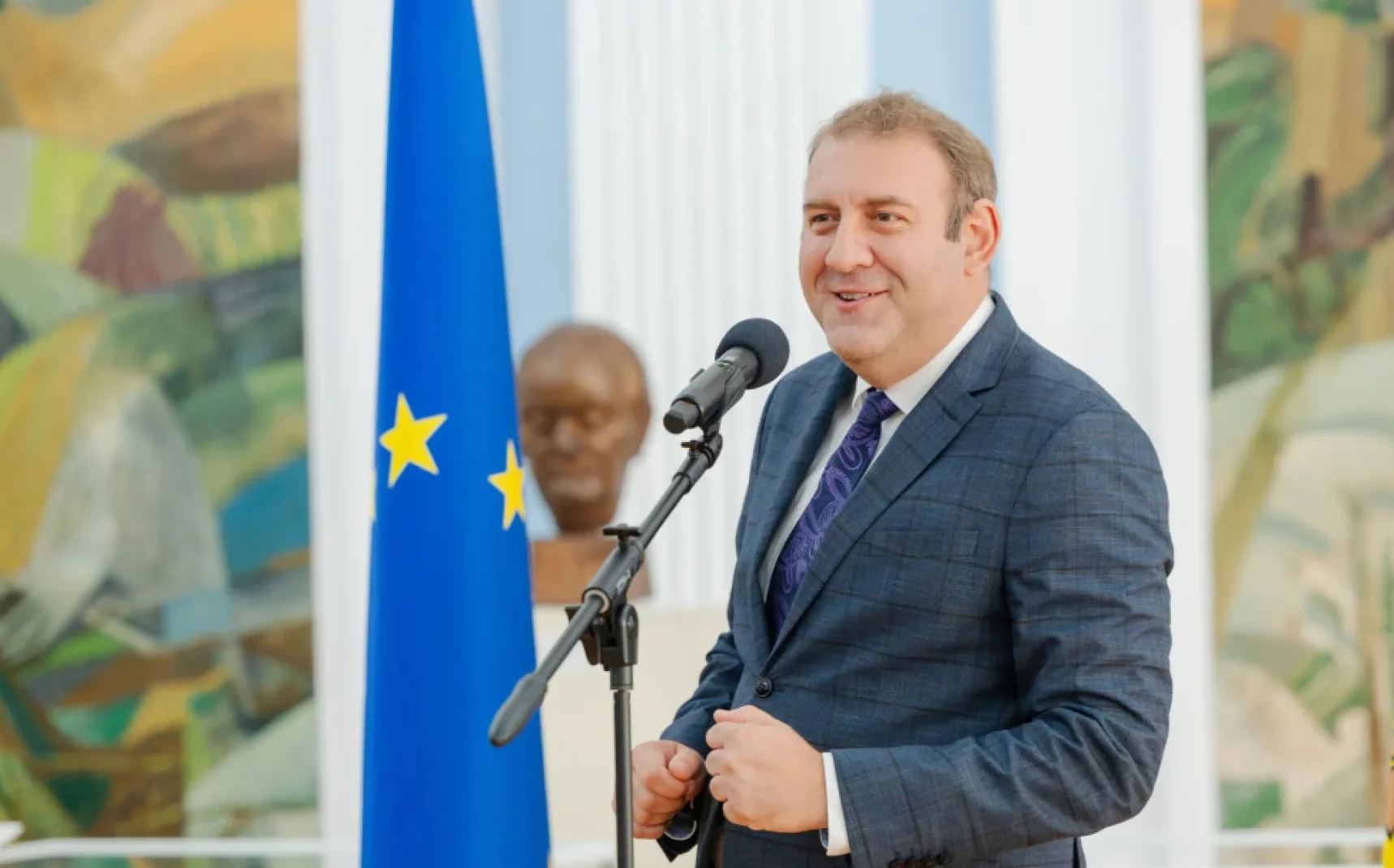
Armenia: EU Appoints New Head of Mission for European Union Partnership Mission – EU NEIGHBOURS east
The European Union has officially designated a new head of mission to lead its European Union Partnership Mission in Armenia, marking a significant step in the bloc’s engagement with the South Caucasus nation. The appointment, confirmed by the EU Council, underscores the bloc’s commitment to strengthening ties with Armenia amid evolving regional dynamics. The move comes as part of the EU’s broader strategy to bolster stability, economic cooperation, and political dialogue in its eastern neighborhood.
The role of the head of mission is critical in overseeing the EU’s partnership initiatives, which include supporting democratic reforms, fostering trade relations, and promoting regional security. The new appointee, whose name has not been publicly disclosed, is expected to play a central role in advancing these objectives. A European Union official stated, “This appointment reflects the EU’s determination to deepen its partnership with Armenia and to support the country’s efforts to strengthen institutions and economic resilience.”
What Happened and Why It Matters
The European Union Partnership Mission (EUPM) in Armenia, established under the EU’s NEIGHBOURS east program, has been instrumental in facilitating cooperation between the EU and Armenia since its inception. The NEIGHBOURS east initiative, launched in 2011, aims to strengthen ties with Eastern European and South Caucasus countries through political, economic, and social integration. Armenia, a former Soviet republic, has been a key partner in this effort, with the EU providing financial and technical assistance for reforms and infrastructure development.
The appointment of a new head of mission follows the departure of the previous envoy, who served for several years. The EU Council cited the need for continuity and strategic focus in its bilateral relations with Armenia. “The new head of mission will be tasked with ensuring the effective implementation of the EU’s partnership priorities, including support for the rule of law, civil society development, and cross-border cooperation,” a Council statement noted.
The timing of the appointment is significant, as Armenia navigates complex geopolitical challenges. The country has maintained a delicate balance between its historical ties with Russia and its aspirations for closer integration with the EU. Recent years have seen increased diplomatic engagement between Armenia and the EU, particularly in areas such as trade, energy, and security. The new mission head is expected to play a pivotal role in reinforcing this relationship.
Who Is Involved and What Are Their Roles?
The European Union Partnership Mission in Armenia operates under the framework of the EU’s Eastern Partnership (EaP), a regional initiative that includes six Eastern European and South Caucasus countries: Armenia, Azerbaijan, Belarus, Georgia, Moldova, and Ukraine. The EaP aims to promote political association and economic integration with the EU, offering participating countries opportunities for closer cooperation.
The head of mission serves as the EU’s principal representative in Armenia, coordinating the bloc’s activities and liaising with Armenian authorities, civil society, and international partners. Responsibilities include overseeing the implementation of EU-funded programs, monitoring progress on reform agendas, and facilitating dialogue on key issues such as governance, human rights, and regional stability.
The appointment process for the head of mission involves a rigorous selection procedure conducted by the European External Action Service (EEAS), the EU’s diplomatic corps. Candidates are typically senior diplomats with expertise in foreign policy, regional affairs, and development cooperation. While the identity of the new appointee has not been disclosed, previous heads of mission have often come from EU member states with strong diplomatic traditions.
The Armenian government has expressed support for the EU’s continued engagement, emphasizing the importance of multilateral cooperation. A spokesperson for Armenia’s Ministry of Foreign Affairs stated, “We welcome the EU’s commitment to strengthening our partnership and look forward to working closely with the new mission head to advance shared goals.”
Context and Background of the EU’s Engagement with Armenia
Armenia’s relationship with the EU has evolved significantly over the past two decades. The country signed a Comprehensive and Enhanced Partnership Agreement (CEPA) with the EU in 2017, which expanded cooperation in areas such as trade, energy, and education. The CEPA also includes provisions for political dialogue and support for reforms, reflecting the EU’s interest in fostering stability and democratic governance in the region.

Since the 1990s, the EU has provided substantial financial assistance to Armenia, including grants and loans for infrastructure projects, education, and healthcare. The bloc has also supported initiatives aimed at improving governance and public administration. In 2022, the EU allocated €150 million in funding to Armenia under the Neighborhood, Development, and International Cooperation Instrument (NDICI), focusing on economic resilience and social development.
However, Armenia’s engagement with the EU has not been without challenges. The country’s geopolitical position, sandwiched between Russia and Turkey, has often influenced its foreign policy decisions. The 2020 Nagorno-Karabakh conflict, which involved Armenia and Azerbaijan, highlighted the region’s volatility and the need for sustained diplomatic efforts. The EU has played a role in mediating peace talks and supporting post-conflict recovery, further solidifying its presence in the region.
The recent appointment of the head of mission comes at a time when the EU is seeking to deepen its influence in the South Caucasus. Neighboring countries such as Georgia
