As Reflecting Pool Paint Peels, Trump Blames Vandals and Authorities Make Arrests
Recent reports of paint degradation on a historic Washington, D.C. landmark have sparked a political and legal response, with former President Donald Trump attributing the damage to vandals and local authorities making an arrest. The incident, centered around a site symbolizing national heritage, has drawn attention to environmental challenges, law enforcement protocols, and the intersection of public space maintenance with political rhetoric.
What Happened at the Reflecting Pool?
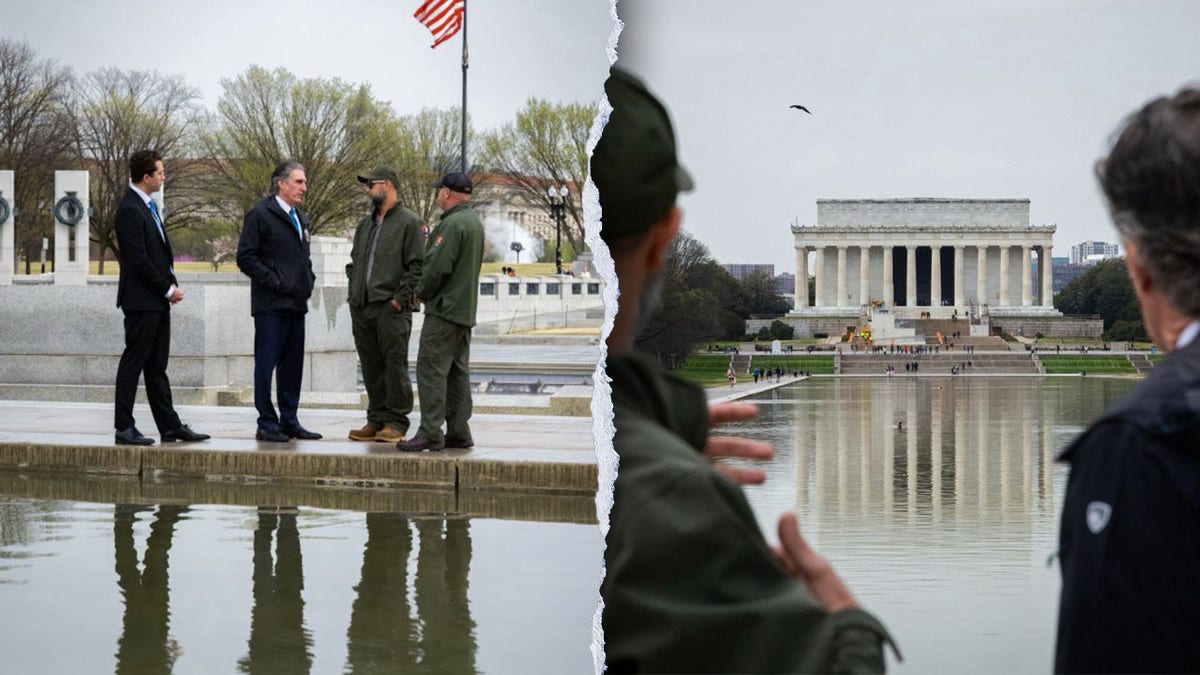
Officials confirmed that sections of the iconic Reflecting Pool, located near the Lincoln Memorial, have shown visible paint deterioration. The issue has raised concerns about the structure’s upkeep, with some attributing the damage to natural wear and tear, while others point to potential acts of sabotage. The pool, a popular tourist destination and site of significant historical events, has become a focal point for debates over preservation efforts.
According to a statement from local law enforcement, an individual was detained for allegedly removing paint from the pool’s surface. The suspect, identified in court records as a former professional athlete, has denied allegations of willful damage. The incident has drawn scrutiny from both environmental experts and legal analysts, who are examining the circumstances surrounding the alleged act.
Who Is Involved in the Case?
The arrested individual, whose name has been redacted in official documents, is described as a former Olympian with a background in competitive sports. While details about their current activities remain unclear, their arrest has prompted questions about the broader issue of public space vandalism and the enforcement of preservation laws. Authorities have not released a full profile of the suspect, citing ongoing investigations.
Former President Donald Trump has publicly addressed the incident, suggesting that deliberate acts of vandalism have accelerated the need for maintenance work. In a recent public statement, he claimed that “unidentified individuals” are responsible for the damage, arguing that such actions justify immediate intervention. His remarks have been met with mixed reactions, with some supporters praising his emphasis on accountability and critics questioning the political undertones of his comments.
Context and Broader Implications
The Reflecting Pool’s paint issues are not isolated. Environmental reports indicate that the structure has faced recurring challenges, including algae buildup and weather-related deterioration. Officials have previously outlined plans for comprehensive restoration, but funding and prioritization remain contentious topics. The recent incident has intensified calls for increased oversight and resources to address such concerns.
The case also highlights the legal framework governing damage to public landmarks. Under federal law, willful destruction of historic sites can lead to severe penalties, including fines and imprisonment. Legal experts note that the outcome of this case could set a precedent for future incidents, particularly as climate change and urban development pressures strain the maintenance of historical structures.
Reactions and Expert Perspectives
Environmental groups have expressed concern over the potential for the incident to overshadow the pool’s ecological challenges. A representative from a conservation organization stated, “While accountability for vandalism is important, the focus should remain on long-term solutions to protect this site from environmental degradation.” The group emphasized the need for sustainable maintenance practices rather than reactive measures.
Political analysts have also weighed in, noting the symbolic significance of the case. “This incident underscores the tension between public safety and political messaging,” said one commentator. “When high-profile figures like Trump link infrastructure issues to specific groups, it can polarize public discourse and complicate efforts to address systemic challenges.”
Key Points to Consider
- The Reflecting Pool’s paint degradation has prompted both legal action and political debate.
- The arrested individual, a former athlete, denies allegations of vandalism.
- Environmental and legal experts are analyzing the case’s broader implications for public space management.
- Trump’s comments have reignited discussions about the role of political rhetoric in addressing infrastructure issues.
What’s Next for the Case?
The suspect is scheduled to appear in court, where prosecutors will present evidence related to the alleged act. Legal proceedings are expected to take several weeks, with potential outcomes ranging from fines to criminal charges. Meanwhile, officials have announced plans to expedite a full inspection of the Reflecting Pool, citing the incident as a catalyst for accelerated restoration efforts.
Public interest in the case is likely to remain high, given its intersection of environmental, legal, and political dimensions. As the investigation unfolds, stakeholders will be closely monitoring how the situation influences policies on historic preservation and public accountability.
Frequently Asked Questions
What caused the paint to peel on the Reflecting Pool?
Authorities have not yet determined the exact cause of the paint deterioration. However, reports suggest that a combination of natural aging, environmental factors, and potential human activity may have contributed to the issue. Officials are conducting a thorough assessment to identify the root cause.
Who is the person arrested for the incident?
The suspect, whose identity has not been fully disclosed, is a former professional athlete with no prior criminal record. Court documents describe the individual as being taken into custody for allegedly removing paint from the pool’s surface. Further details about the case are expected to emerge as the legal process continues.
Why is this case significant?
The case has drawn attention due to its intersection of environmental preservation, law enforcement, and political commentary. It highlights the challenges of maintaining historic sites while addressing public concerns about accountability and resource allocation. The involvement of a high-profile figure like Trump has also amplified the debate over how infrastructure issues are framed in public discourse.
