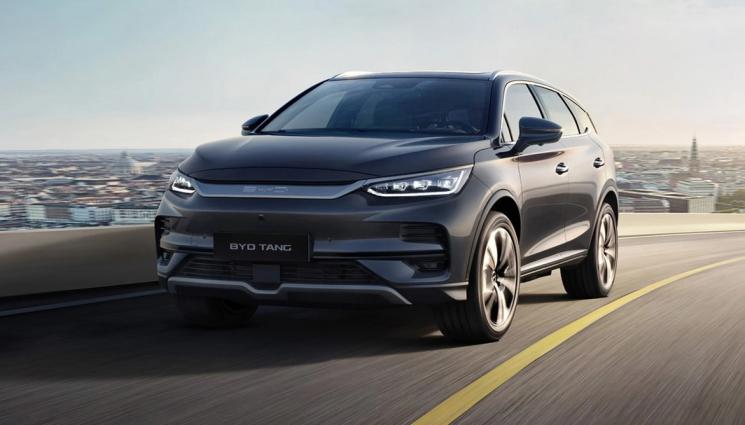
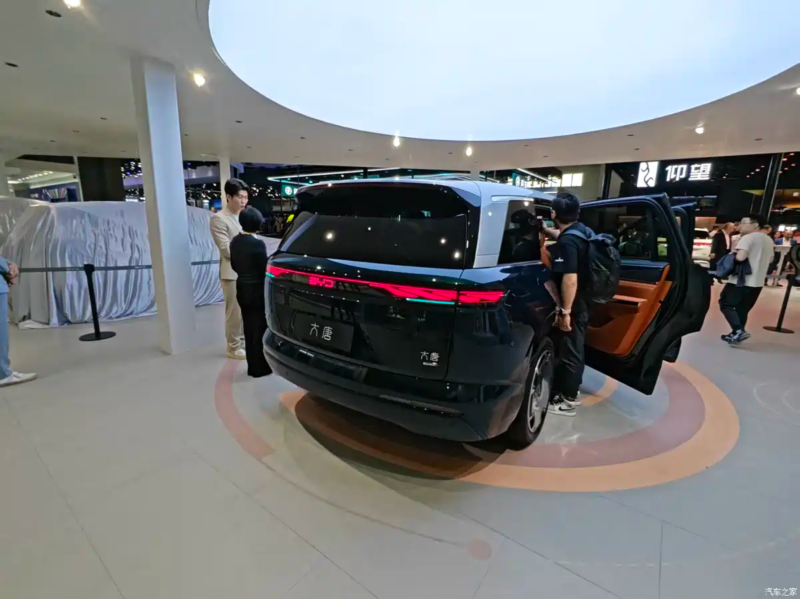
BYD is expanding its European footprint with the launch of its seven-seat Great Tang electric SUV, a move that positions the Chinese automaker as a direct competitor to established luxury electric vehicles like the Tesla Model X and Audi e-tron.
The Great Tang, which has already gained traction in China, now enters Europe as BYD accelerates its push into global markets. The vehicle combines a spacious seven-seat configuration with an electric powertrain capable of up to 500 kilometers per charge, according to the company.
Why the Great Tang Matters in Europe
Europe’s electric vehicle market is dominated by Tesla, Volkswagen’s ID. series, and legacy automakers transitioning to electrification. BYD’s entry with the Great Tang introduces a new segment: a high-capacity, family-oriented electric SUV that bridges the gap between mainstream EVs and premium offerings.
Key differentiators include its dual-motor AWD system, which delivers up to 400 horsepower, and a 100-kilowatt fast-charging capability, allowing a 10–80% charge in under 30 minutes. The vehicle’s starting price is expected to be competitive with mid-range electric SUVs, though exact figures have not been confirmed for the European launch.
How BYD’s Strategy Differs from Competitors
Unlike Tesla, which focuses on high-performance, single-motor models, or Volkswagen, which prioritizes software-driven infotainment, BYD’s approach centers on affordability and practicality. The Great Tang’s seven-seat layout caters to families and fleet operators, a segment often overlooked by competitors.
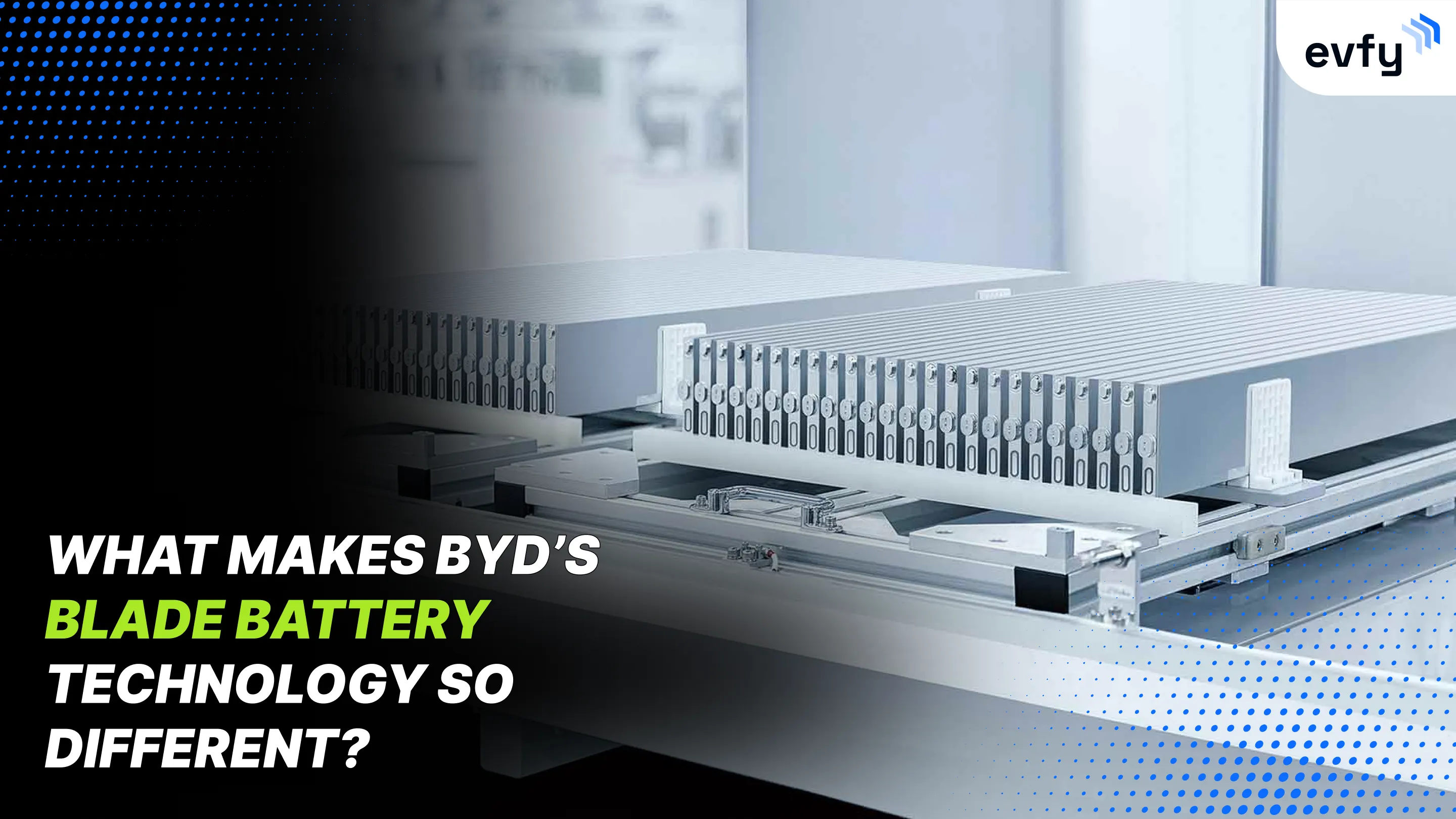
BYD’s Blade Battery technology, known for its safety and longevity, is another selling point. The company claims the battery’s design reduces fire risks by up to 90% compared to traditional lithium-ion cells, addressing a key concern for European regulators and consumers.
In China, the Great Tang has already achieved strong sales, with over 10,000 units delivered in its first year. BYD’s European expansion follows similar moves by Chinese automakers like NIO and XPeng, which have targeted the continent’s growing demand for electric vehicles.
Regulatory and Market Challenges
BYD’s entry into Europe coincides with tightening emissions regulations and subsidies for electric vehicles. The EU’s CO2 emissions standards, which require automakers to reduce fleet averages to 95 grams per kilometer by 2025, will pressure competitors to adopt more efficient powertrains—an area where BYD’s Blade Battery excels.
However, trade barriers and local content requirements remain hurdles. While BYD does not currently manufacture in Europe, the company has hinted at potential local production partnerships, a strategy used by Tesla in Germany and Volkswagen in Slovakia.
What’s Next for BYD in Europe
BYD has not announced a specific timeline for full-scale production or dealer network expansion in Europe, but the Great Tang’s launch marks the beginning of a phased rollout. The company is expected to leverage its existing supply chain and battery technology to undercut competitors on pricing while maintaining performance.
Industry analysts suggest BYD’s move could accelerate the decline of internal combustion engine SUVs in Europe, particularly in markets like Germany and France, where electric vehicle adoption is already high.
