
Top Tren de Aragua Leader Killed in US Military Strike, Trump Announces – CNN
Donald Trump announced that a U.S. military airstrike killed the leader of the Tren de Aragua gang. According to Trump, the lethal operation was conducted with assistance from Venezuela to eliminate the head of the infamous Venezuelan prison gang, marking a significant escalation in the U.S. approach to transnational organized crime.
What happened during the US military strike on the Tren de Aragua leader?
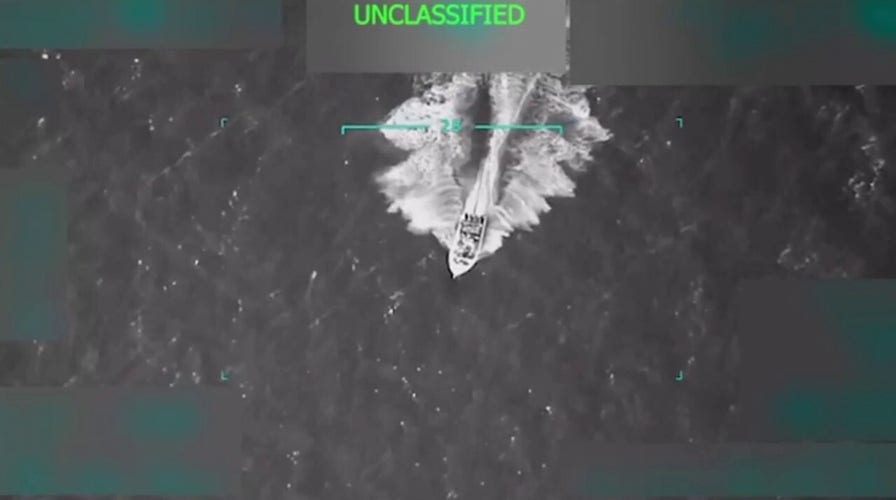
President Donald Trump confirmed that the U.S. military executed a lethal strike that resulted in the death of the top leader of Tren de Aragua. The operation was described as an airstrike intended to neutralize the head of the organization. According to reports from Fox News, Trump characterized the target as an “infamous” leader of the gang.
A critical detail provided in the announcement is the level of international cooperation involved. Trump stated that the U.S. military carried out the strike with help from Venezuela. This claim suggests a tactical coordination between the U.S. and Venezuelan entities to locate and eliminate the target, despite the historically strained political relationship between Washington and Caracas.
The strike represents a shift toward using military kinetic options against non-state criminal actors who operate across international borders. While the U.S. has previously used drones and airstrikes against designated terrorist organizations, the application of this force against a prison-born gang leader indicates a broadening of the “lethal strike” mandate to include transnational criminal organizations (TCOs) that threaten U.S. national security.
Who is the leader of Tren de Aragua and why was he targeted?
While the specific name of the individual killed was not detailed in the immediate breaking reports from CNN and CBS News, the target was identified as the “top leader” of Tren de Aragua. This organization began as a prison gang in Venezuela before evolving into one of the most aggressive criminal syndicates in the Western Hemisphere.
The decision to target the leadership stems from the gang’s rapid expansion and its impact on U.S. soil. Tren de Aragua has been linked to a variety of high-level crimes, including human trafficking, kidnapping, and drug smuggling. By removing the top tier of the command structure, the U.S. military aims to disrupt the gang’s operational capacity and send a deterrent signal to other transnational criminal networks.
Key reasons for the targeting include:
- Transnational Reach: The gang’s ability to move operatives and illicit goods across multiple borders.
- Violence Levels: The use of extreme violence to establish control over territories and smuggling routes.
- U.S. National Security: The increasing presence of gang cells within U.S. cities, which has prompted federal law enforcement and military interest.
How did the US military coordinate with Venezuela for this operation?
According to Trump, the strike was successful due to “help from Venezuela.” This assertion is notable because it implies a level of intelligence sharing or operational clearance from the Venezuelan government. In the context of unconventional warfare and counter-narcotics, such cooperation typically involves the sharing of geolocation data or the granting of airspace access.
This cooperation suggests a pragmatic alignment where both the U.S. and the current Venezuelan administration view the leadership of Tren de Aragua as a mutual threat. The gang’s origins in the Tocorón prison—which was once a quasi-autonomous city run by the gang—demonstrated a level of power that could potentially challenge state control within Venezuela itself.
Analysts of U.S.-Venezuela relations often point to these types of tactical agreements as “deconfliction” or “limited cooperation,” where political enemies collaborate on specific security threats that jeopardize the stability of both nations.
What is Tren de Aragua and how did it become a transnational threat?
Tren de Aragua is a Venezuelan criminal organization that originated within the prison system. Unlike traditional cartels that focus primarily on a single commodity like cocaine, Tren de Aragua operates as a diversified criminal enterprise. It utilizes a “franchise” model, exporting its operational methods to other countries to establish local cells.
The gang’s rise is closely tied to the socio-economic collapse of Venezuela. As the state’s grip on prison security weakened, gang leaders were able to run vast criminal empires from behind bars. Once they expanded beyond the prison walls, they leveraged the mass migration of Venezuelans across Latin America to embed their operatives in new territories.
The Expansion Timeline
The growth of the organization has followed a specific geographic trajectory:
- Venezuela: Establishment in the prison system and control of local urban centers.
- Colombia and Ecuador: Initial expansion into neighboring countries to control smuggling routes.
- Peru and Chile: Rapid growth in the Southern Cone, where the gang began dominating human trafficking and extortion rackets.
- United States: Emergence of cells in major U.S. cities, leading to the current U.S. military response.
The organization is known for its brutal enforcement of discipline and its ability to infiltrate legal migration flows to move its “soldiers” across borders. This adaptability is what transitioned them from a local prison gang to a target of a U.S. military strike.
What are the implications of using military airstrikes against gang leaders?
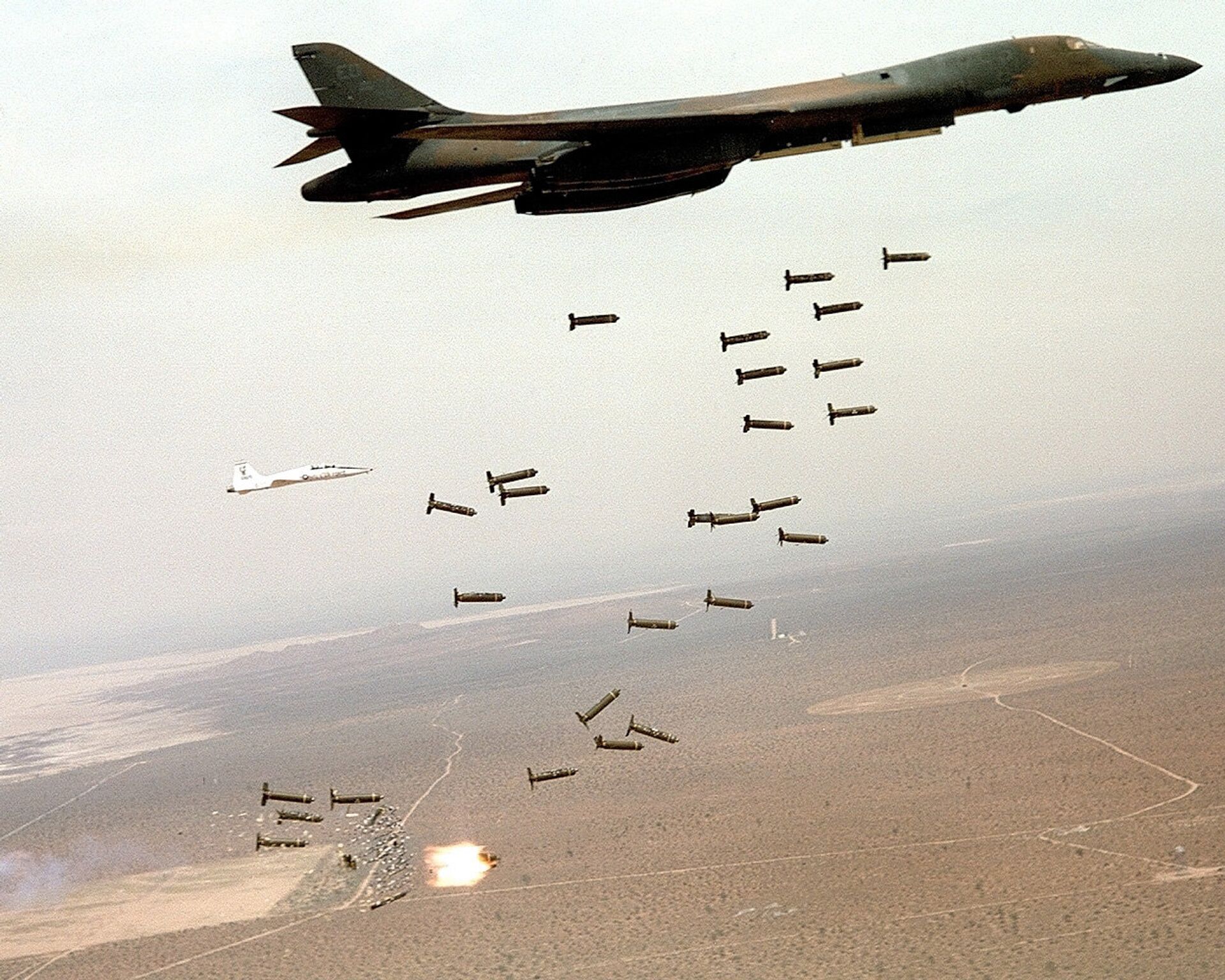
The use of a military strike to eliminate a gang leader marks a departure from traditional law enforcement protocols. Typically, the U.S. pursues gang leaders through extradition treaties, indictments, and coordinated arrests by agencies like the DEA or FBI. Moving to a “lethal strike” model suggests that the U.S. government now views certain gang leaders as “enemy combatants” or high-value targets (HVTs) similar to those found in counter-terrorism operations.
This approach carries several significant implications:
“The transition from law enforcement to military action against criminal syndicates indicates a shift in how the U.S. defines threats to its borders—treating transnational gangs not just as criminals, but as security threats.”
Legal and Political Risks: Using military force in foreign territories can lead to questions regarding international law and sovereignty. However, the claim that Venezuela helped with the strike provides a layer of legal cover, as it suggests the action was consensual.
Operational Impact: While killing a leader can disrupt a gang, it often leads to “succession wars” where subordinates fight for control. This can either weaken the organization through internal strife or lead to the rise of a more aggressive and secretive leader.
Precedent Setting: This action sets a precedent for future operations. If successful, the U.S. may apply the same military logic to other gangs, such as those operating in Central America’s Northern Triangle or other global syndicates.
How do different news outlets report the elimination of the gang leader?
The reporting on this event varies slightly across major media outlets, reflecting different framing of the gang’s nature and the nature of the strike. While the core facts remain the same—a strike occurred and Trump announced it—the descriptors used provide insight into how the story is being positioned.
| Media Outlet | Characterization of Target/Gang | Focus of Report |
|---|---|---|
| Fox News | “Infamous” leader | The lethality and success of the strike |
| South China Morning Post | “Venezuelan prison gang” | The breaking nature of the U.S. intervention |
| CNN / CBS | “Top leader” / “Gang leader” | The announcement by Trump and the military action |
| CTV News | “Leader of Tren de Aragua” | The cooperation between the U.S. and Venezuela |
The contrast shows a divide between outlets emphasizing the “infamy” of the target and those focusing on the gang’s origins as a prison-based entity. The mention of Venezuelan cooperation is a consistent thread across all reports, highlighting the geopolitical anomaly of the partnership.
Comparing the “Lethal Strike” to Previous U.S. Operations
To understand the weight of this event, it is helpful to compare it to previous U.S. actions against non-state actors. Traditionally, the U.S. has used the “targeted killing” framework for members of Al-Qaeda or ISIS. Applying this to Tren de Aragua suggests a convergence between the war on terror and the war on drugs/organized crime.
In previous decades, the U.S. relied on the “Kingpin Strategy,” which focused on arresting the top leaders of drug cartels to collapse their organizations. The shift to an airstrike indicates that the U.S. may no longer find the extradition process efficient or sufficient for targets that are heavily fortified or protected by corrupt local officials.
For more on the evolution of U.S. security strategies, see a related explainer on transnational crime mandates.
Frequently Asked Questions
Who is Tren de Aragua?
Tren de Aragua is a powerful Venezuelan criminal organization that started as a prison gang. It has since expanded across South America and into the United States, specializing in human trafficking, extortion, and drug smuggling.
Was the strike authorized by the Venezuelan government?
According to Donald Trump, the U.S. military carried out the strike “with help from Venezuela,” which implies a level of cooperation or authorization from the Venezuelan side.
Why did the U.S. use a military strike instead of an arrest?
While the U.S. government has not provided a detailed legal justification, the use of a lethal strike typically occurs when a target is deemed a high-value security threat and traditional law enforcement methods (like extradition) are considered unfeasible or too slow.
Where did the strike take place?
The reports indicate it was a military airstrike, though the exact coordinates have not been publicly released. Given the gang’s origins and the cooperation with Venezuela, it is widely inferred to have occurred within or near Venezuelan territory.
Does this mean the Tren de Aragua gang is gone?
No. While the death of a top leader disrupts the chain of command, criminal organizations like Tren de Aragua often have decentralized structures that allow them to continue operating even after the loss of a primary leader.
The elimination of the Tren de Aragua leader marks a new chapter in the U.S. government’s approach to gang violence and transnational crime. By utilizing military assets for a target previously managed by law enforcement, the administration has signaled a zero-tolerance policy toward gangs that extend their reach into U.S. territory. The success of this strategy will likely be measured by whether the gang’s activities in the U.S. and Latin America decrease in the coming months or if a new, more resilient leadership emerges from the vacuum.
