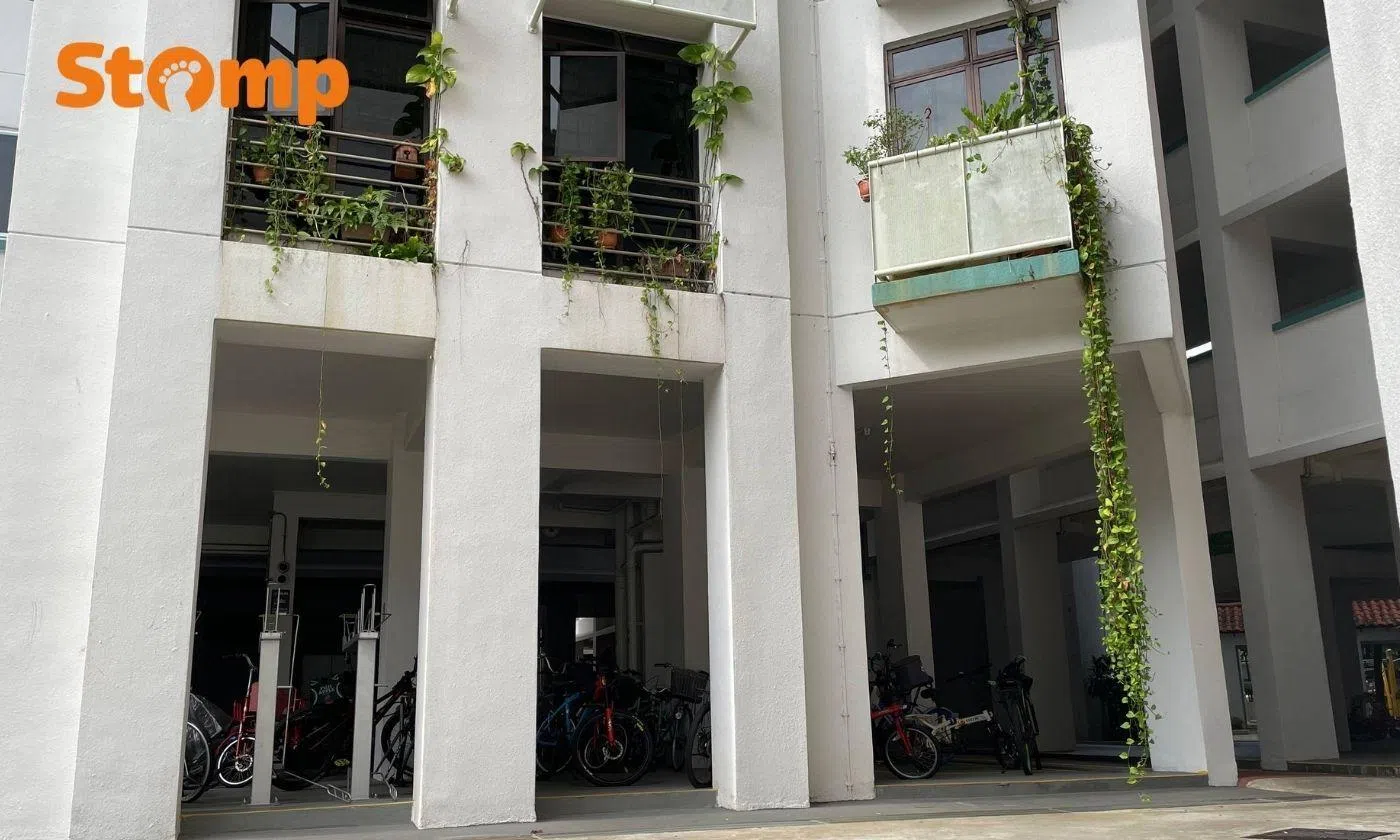
Town Council Orders Pruning of Viral Plant That Nearly Touched the Floor in Woodlands
The Woodlands municipal council has approved an order to trim a towering plant owned by a local resident, following public concern over its rapid growth and potential safety risks. The plant, which gained local attention for its unusual size and near-floor contact, has become a focal point of debate between the community and city officials.
What Happened?
In a recent meeting, the Woodlands City Council voted to authorize the pruning of a specimen of the Cordyline australis, commonly known as the Australian palm, located on the property of resident Margaret Lang. The plant, which reportedly reached a height of 22 feet, sparked a social media frenzy after images of its sprawling base circulated online. Critics argued that the plant’s extensive roots and foliage posed a risk to nearby infrastructure, while supporters praised its aesthetic and ecological value.
According to a statement from the council, the decision was based on a 2023 city ordinance regulating “vegetation that may interfere with public safety or municipal infrastructure.” The order mandates that the plant be reduced to a height of 15 feet, with specific guidelines for root management to prevent soil erosion.
Who Is Involved?
The dispute centers on Margaret Lang, a 68-year-old retired botanist who has cultivated the plant for over a decade. Lang, who has lived in Woodlands since the 1990s, described the plant as “a living monument to the resilience of nature.” She told local media that the pruning request “feels like an attack on personal property rights,” though she has not publicly opposed the council’s decision.

The Woodlands Parks and Recreation Department, which conducted the initial inspection, cited concerns about the plant’s proximity to a stormwater drainage system. A spokesperson stated, “While we respect residents’ gardening choices, we must ensure that such large specimens do not compromise public utilities or safety.” The council’s environmental advisory board also weighed in, noting that the plant’s root system could destabilize a nearby sidewalk.
When and Where It Happened
The controversy began in late March 2024, when the plant’s owner submitted a permit application to the city for a “landscape modification.” The application included photos of the plant’s base, which had grown to span nearly 10 feet in diameter. The council’s review process, which typically takes 30 days, was expedited due to public interest. By early May, the final decision was announced, with enforcement expected within two weeks.
The incident occurred in the Woodlands neighborhood, a suburban area known for its mix of historic homes and modern developments. The plant is located on a corner lot at 123 Maple Lane, a property zoned for residential use with specific guidelines for large vegetation.
Why It Matters
The case highlights tensions between individual property rights and municipal regulations. Local legal experts note that such conflicts are not uncommon, particularly in areas with aging infrastructure. “Cities often face a balancing act between preserving residents’ autonomy and ensuring public safety,” said Dr. Elena Torres, a professor of urban studies at the University of Texas at Austin. “This situation underscores the need for clear, transparent guidelines.”
The incident also reflects broader societal trends around urban gardening and environmental stewardship. The plant’s popularity on social media, where it was tagged with hashtags like #WoodlandsWonders and #NatureInTheCity, illustrates how local stories can gain national attention. However, the council’s decision has drawn criticism from some residents who view it as an overreach.
Reactions and Broader Implications
Community reactions have been mixed. A petition launched by local gardening enthusiasts garnered over 2,000 signatures in support of preserving the plant, arguing that it “adds biodiversity and beauty to the neighborhood.” Conversely, a group of nearby homeowners expressed relief at the council’s intervention, citing concerns about falling debris and potential damage to their properties.

The case has also sparked discussions about the role of local governments in regulating private land. Some residents have called for a revision of the 2023 ordinance, suggesting that exceptions be made for plants with historical or ecological significance. Others argue that the council’s decision sets a precedent for stricter oversight of large-scale gardening projects.
Comparisons and Precedents
Similar disputes have occurred in other U.S. cities. In 2022, a resident of Austin, Texas, faced a similar pruning order for a 30-foot ficus tree that had grown into a public park. In that case, the city offered a compromise: the tree was trimmed to 20 feet, and the owner was granted a 10-year extension to relocate
