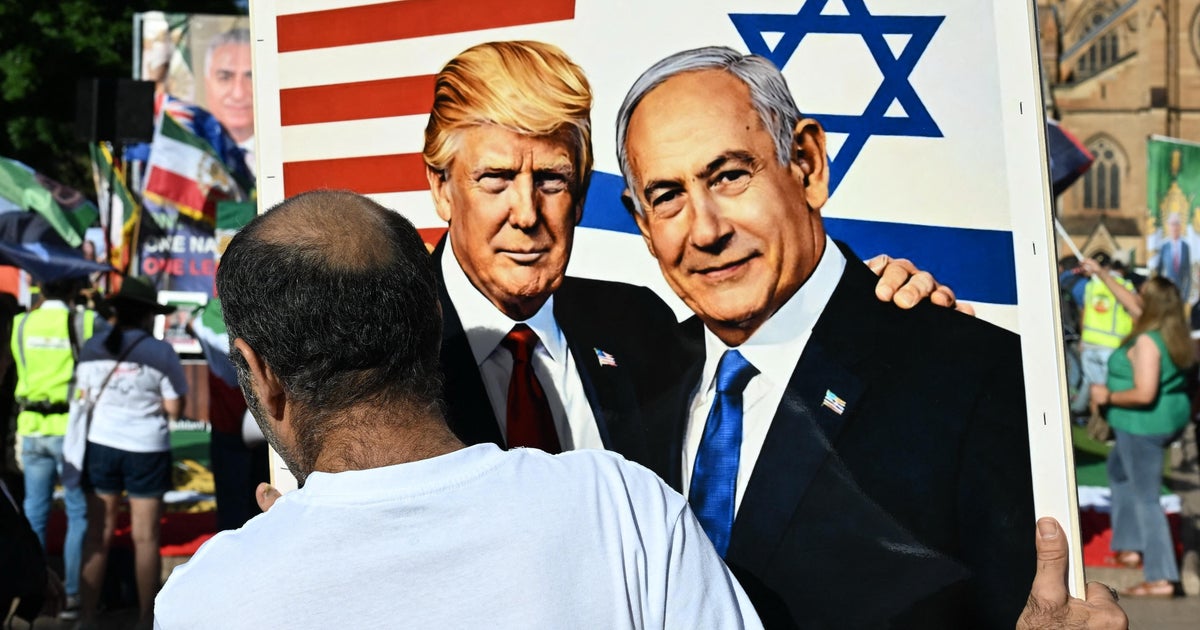
How the Iran War United, and Then Divided, Trump and Israel’s Netanyahu – CBS News
Donald Trump and Benjamin Netanyahu initially aligned through a shared hardline strategy to neutralize Iran’s nuclear capabilities, but their relationship later fractured over the specific execution of peace deals and the risk of uncontrolled military escalation, according to reporting from CBS News and other international outlets. While Trump publicly praised Netanyahu as a “warrior PM,” internal U.S. intelligence and diplomatic cables suggest a deeper rift regarding whether Israel would undermine U.S.-led efforts to secure regional stability.
Why did Trump and Netanyahu initially align on Iran?
The alignment between Donald Trump and Benjamin Netanyahu was rooted in a mutual rejection of the Joint Comprehensive Plan of Action (JCPOA), the 2015 nuclear deal with Iran. Both leaders viewed the agreement as fundamentally flawed, arguing it provided Iran with a path to a nuclear weapon while offering insufficient restrictions on its ballistic missile program and regional proxies. According to the Wall Street Journal, this shared ideological goal created a period of unprecedented cooperation between the White House and the Israeli Prime Minister’s Office.
This unity manifested in the “Maximum Pressure” campaign, a strategy designed to cripple the Iranian economy through severe sanctions and diplomatic isolation. The goal was to force Tehran back to the negotiating table under terms far more restrictive than the original JCPOA. During this phase, the Trump administration took several steps that Netanyahu had long advocated for, including:
- The official U.S. withdrawal from the Iran nuclear deal in 2018.
- The relocation of the U.S. embassy in Israel to Jerusalem.
- The recognition of Israeli sovereignty over the Golan Heights.
- The brokering of the Abraham Accords, which normalized relations between Israel and several Arab nations.
The Abraham Accords represented a strategic shift, moving the regional focus from a purely bilateral conflict between Israel and Iran to a broader coalition of states concerned by Iranian hegemony. By linking Israel with the UAE and Bahrain, the Trump administration attempted to create a regional security architecture that could contain Iran without requiring a full-scale U.S. ground war.
How did the alliance between Trump and Netanyahu fracture?
The division between the two leaders emerged as the tactical implementation of their shared goals diverged. While both agreed that Iran must be stopped, they disagreed on the timing, method, and the role of diplomacy. According to reports from CBS News, the friction centered on whether Israel’s independent military actions would jeopardize broader U.S. strategic interests or derail potential peace frameworks.
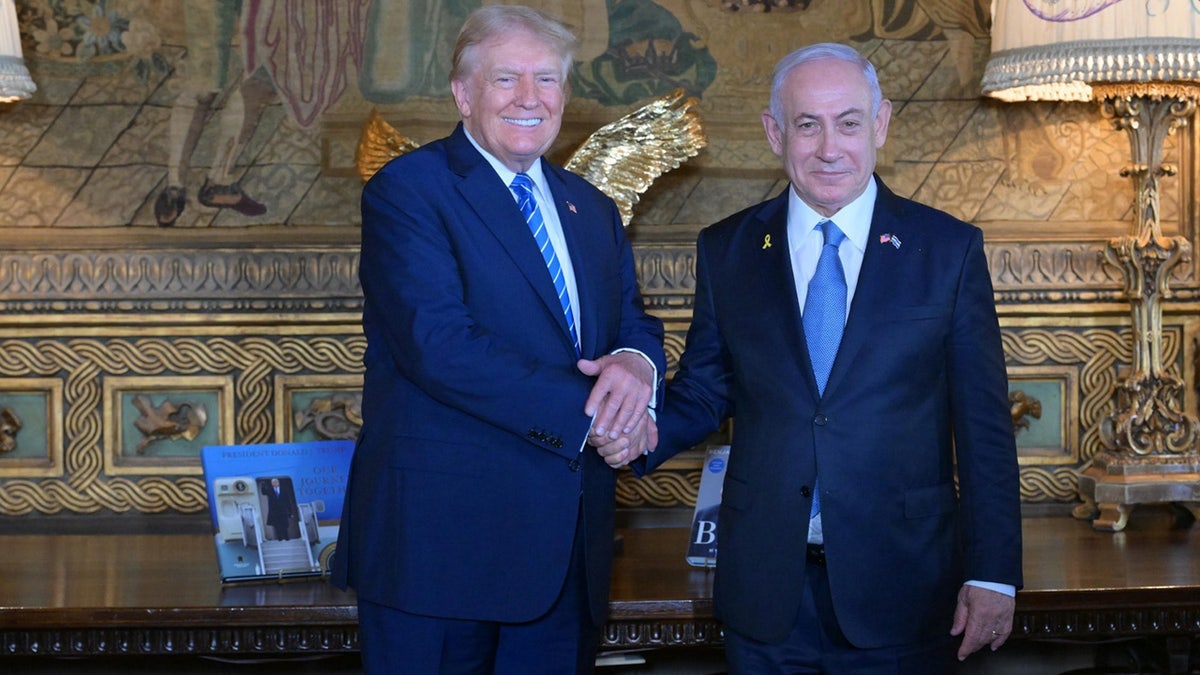
The Wall Street Journal describes the relationship as “complicated,” noting that the public displays of friendship often masked private tensions. These tensions were frequently triggered by Netanyahu’s tendency to act unilaterally or to push for military strikes that the U.S. administration was not yet prepared to support. The divide became most apparent when the U.S. sought to balance its hardline stance with the need to prevent a total regional collapse that would necessitate an expensive and prolonged American military intervention.
The friction can be broken down into three primary points of contention:
- Diplomatic Timing: Trump occasionally signaled a willingness to negotiate a “better deal” with Iran, whereas Netanyahu often viewed any negotiation as a surrender to Iranian ambitions.
- Risk Management: The U.S. administration feared that an Israeli strike on Iranian nuclear sites could trigger a massive retaliatory war across the Middle East, potentially drawing U.S. troops into a conflict they were trying to exit.
- Regional Stability: While Trump viewed the Abraham Accords as a success in stability, Netanyahu viewed them as a tool to gain more freedom for aggressive action against Iran.
What does U.S. intelligence say about Israel’s role in peace deals?
U.S. intelligence officials have expressed significant concern that Israel may actively work to undermine U.S.-led peace initiatives with Iran. According to a report from The Washington Post, officials warned that the Israeli government might employ covert operations or diplomatic sabotage to ensure that any deal Trump might strike with Tehran fails. This suspicion stems from Netanyahu’s history of lobbying against the JCPOA, including a famous 2015 speech to the U.S. Congress that directly contradicted the Obama administration’s position.
The intelligence warnings suggest that Israel views a diplomatic settlement—even a strict one—as an existential threat. From the Israeli perspective, any deal that allows Iran to maintain some level of enrichment or provides sanctions relief is a failure. This puts the U.S. in a precarious position: attempting to lead a diplomatic process while its closest regional ally is suspected of working to dismantle that process from within.
“U.S. intelligence warns Israel is likely to undermine Iran peace deal, officials say,” as reported by The Washington Post, highlighting the deep distrust between the intelligence community’s view of Israeli motives and the public rhetoric of the Trump-Netanyahu alliance.
How does the conflict in Lebanon complicate this relationship?
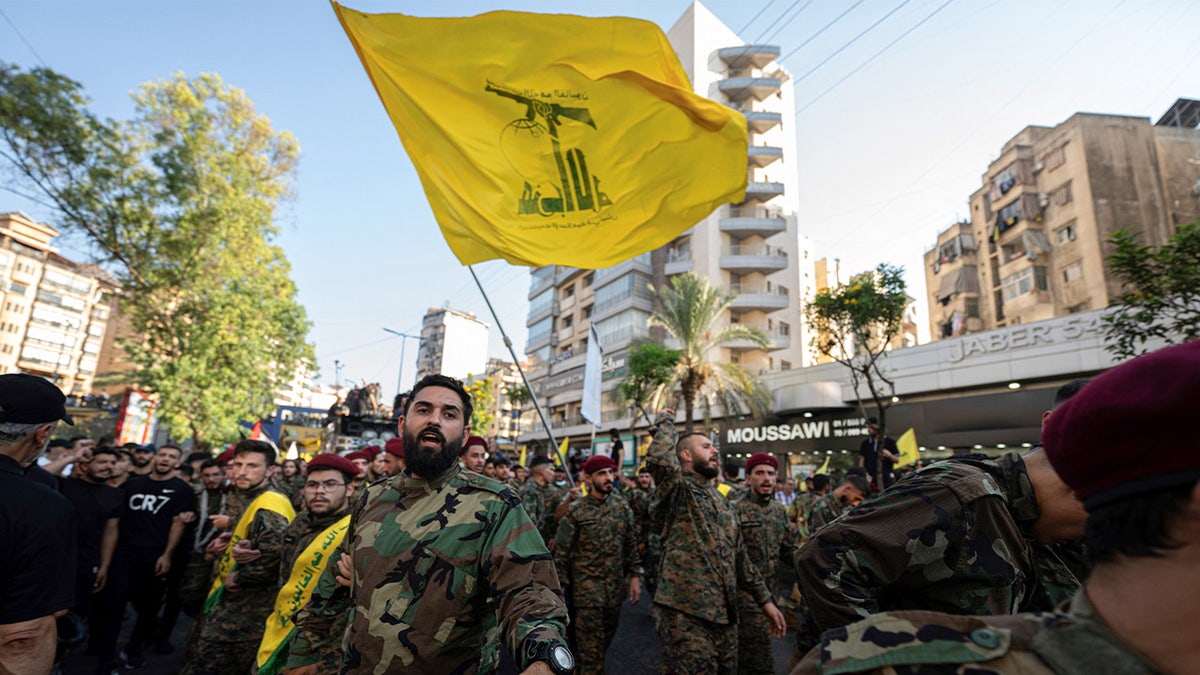
The situation in Lebanon, specifically the influence of Hezbollah, serves as a primary catalyst for tension between the U.S. and Israel. According to analysts cited by Al Jazeera, Lebanon acts as a testing ground for how a U.S.-Iran deal would actually function on the ground. If the U.S. attempts to broker a deal that does not explicitly force Iran to dismantle Hezbollah’s arsenal in Lebanon, Netanyahu views such a deal as worthless.
Al Jazeera reports that analysts believe Trump must “rein in” Netanyahu to prevent a miscalculation in Lebanon from escalating into a regional war. The risk is that an Israeli strike on Hezbollah targets could provoke a response from Tehran that forces the U.S. to intervene militarily, contradicting Trump’s stated goal of avoiding “endless wars.”
The Lebanese theater exposes the fundamental gap in the two leaders’ strategies: Trump views the conflict through the lens of a transactional deal-maker who wants to reduce U.S. liability, while Netanyahu views it through the lens of a security hawk focused on the total elimination of Iranian-backed threats.
Comparing the Public Image vs. Private Reality
The discrepancy between the public rhetoric used by Donald Trump and the private diplomatic friction is a defining characteristic of this relationship. The Times of Israel notes that Trump has frequently referred to Netanyahu as a “warrior PM” and has touted their ties as “great,” even during periods of high tension over Iran.
This public support serves a political purpose for both men. For Trump, it reinforces his image as a champion of Israel and a disruptor of the established diplomatic order. For Netanyahu, it provides a shield against domestic critics and ensures a level of U.S. support that is critical for Israel’s defense budget and diplomatic cover at the United Nations.
| Aspect of Relationship | Public Rhetoric (Times of Israel) | Reported Private Reality (WSJ/WaPo) |
|---|---|---|
| Alignment | “Great ties” and total unity. | Complicated and prone to friction. |
| Iran Strategy | Shared “Maximum Pressure” goal. | Disagreement over diplomacy vs. strikes. |
| Trust Level | Mutual admiration; “Warrior PM.” | Intel warnings of sabotage/undermining. |
| Regional Goal | Peace through the Abraham Accords. | Concerns over uncontrolled escalation. |
Common Misconceptions About the Trump-Netanyahu Alliance
A frequent oversimplification is the belief that because Trump and Netanyahu are both political conservatives and hardliners, they are in total agreement on all Middle East policies. The evidence suggests otherwise. The primary misconception is that “hardline” equals “uniform.”
In reality, their “hardline” approaches serve different masters. Trump’s approach is often driven by a desire to reduce U.S. foreign involvement and achieve a “win” that can be quantified—such as a signed treaty or a normalized relationship. Netanyahu’s approach is driven by the perceived existential threat of a nuclear Iran and the internal political necessity of maintaining a security-first posture to keep his coalition intact.
Another misconception is that the Abraham Accords solved the Iran problem. While the accords created a new strategic bloc, they did not neutralize Iran. Instead, they shifted the conflict into a “cold war” phase where the U.S. and Israel are allied in theory but often clash over the actual triggers for military action.
Key Strategic Milestones in the Iran Conflict
To understand how the relationship evolved from unity to division, it is necessary to look at the timeline of events that shaped their interaction:
- 2017-2018: The Honeymoon Phase. Trump enters office and immediately aligns with Netanyahu’s goal of exiting the JCPOA. The U.S. moves its embassy to Jerusalem, signaling a break from decades of U.S. policy.
- 2018-2019: Maximum Pressure. The U.S. implements crushing sanctions on Iranian oil. Netanyahu praises the move as the only way to stop Tehran.
- 2020: The Abraham Accords. The U.S. brokers deals between Israel and Arab states. This is the peak of their strategic cooperation, creating a “united front” against Iran.
- 2021-Present: The Divergence. As the reality of managing a regional “cold war” sets in, reports emerge of U.S. intelligence warning that Israel may undermine future peace efforts. Tensions rise over the scale of strikes in Syria and Lebanon.
For more context on how these dynamics affect broader regional security, see a related explainer on the Abraham Accords and their long-term viability.
Frequently Asked Questions
Did Donald Trump and Benjamin Netanyahu always agree on Iran?
While they shared the goal of preventing Iran from obtaining a nuclear weapon and both opposed the original JCPOA, they frequently disagreed on the methods. According to the Wall Street Journal, they clashed over the timing of military strikes and the role of diplomacy in resolving the crisis.
What does “undermining a peace deal” mean in this context?
As reported by The Washington Post, U.S. intelligence officials are concerned that Israel might use covert operations, cyberattacks, or diplomatic pressure to ensure that any agreement between the U.S. and Iran fails, as Israel believes any such deal would be too lenient on Tehran.
Why did Trump call Netanyahu a “warrior PM”?
According to The Times of Israel, this rhetoric reflects Trump’s admiration for Netanyahu’s assertive leadership style and serves to signal strong U.S. support for Israel’s security operations, regardless of the private frictions between the two leaders.
How does Lebanon fit into the Trump-Netanyahu divide?
Al Jazeera reports that Lebanon is a flashpoint because of Hezbollah. The U.S. fears that Israeli aggression toward Hezbollah could trigger a wider war, while Netanyahu argues that any U.S.-Iran deal that ignores Hezbollah’s weaponry is a strategic failure.
Were the Abraham Accords designed to stop Iran?
Yes, the accords were intended to create a regional security alliance of Israel and several Arab nations to collectively contain Iranian influence. However, while they succeeded in normalizing diplomatic ties, they did not eliminate the underlying conflict with Iran.
The trajectory of the Trump-Netanyahu relationship reflects a broader tension in U.S. foreign policy: the struggle to balance the needs of a primary strategic ally with the desire to avoid being drawn into a regional war. As the situation with Iran continues to evolve, the tension between the “Warrior PM” and the U.S. administration’s desire for a managed peace remains a central pivot point for Middle East stability.
