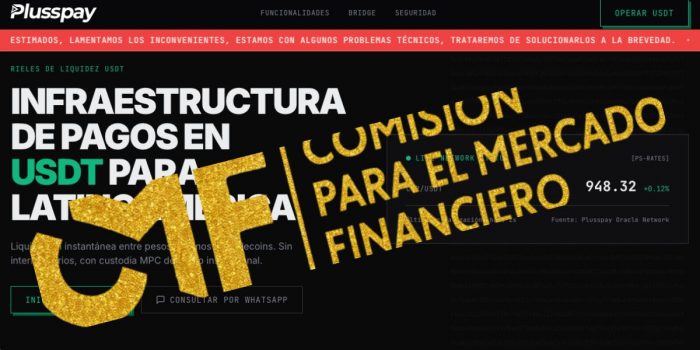
The Venezuelan criminal organization Tren de Aragua has launched its own cryptocurrency platform in Chile to facilitate money laundering and evade financial surveillance, according to local media reports. The gang uses this digital asset system to move illicit funds and manage payments outside the traditional banking network.
- Custom Infrastructure: The group developed a dedicated platform to manage digital currency transactions.
- Regulatory Evasion: The system is designed to bypass Chilean banking regulations and anti-money laundering (AML) controls.
- Operational Shift: The organization is moving away from cash-heavy operations to reduce physical risk and increase anonymity.
How the Private Crypto System Evades Detection
The platform functions as a private financial ecosystem, allowing Tren de Aragua to conduct transactions without the oversight of central banks or financial intelligence units. By utilizing cryptocurrency, the organization eliminates the need for traditional bank accounts, which typically require identity verification and trigger alerts for suspicious activity.
According to local media reports, this technological shift allows the gang to move capital across borders and between cells with greater speed and less visibility. Rather than transporting physical cash, which is susceptible to seizure by law enforcement, the group uses digital ledgers to track debts, payments, and profits from criminal activities.
The Shift From Cash to Digital Money Laundering
Criminal organizations have historically relied on “smurfing”—breaking large sums of cash into small deposits to avoid detection—or using front companies. However, the adoption of a proprietary crypto platform represents a move toward a fully digitized shadow economy.
This approach reduces the “paper trail” that investigators typically use to map criminal hierarchies. In a traditional banking setup, a single flagged transaction can lead authorities to an entire network of accomplices. In a decentralized or private crypto environment, the link between the digital wallet and the physical identity of the user is much harder to establish.
Implications for Chilean Security and Finance
The use of dedicated fintech tools by transnational gangs complicates the efforts of Chilean authorities to freeze assets and disrupt the gang’s logistics. Standard financial monitoring tools are designed to flag anomalies in the legacy banking system, not to track proprietary digital platforms operated by organized crime.
The development indicates that Tren de Aragua is not only expanding its territorial influence but also its technical capabilities. By integrating cryptocurrency into its operational model, the organization is treating its financial infrastructure as a software product, prioritizing scalability and anonymity to sustain its activities in the region.
