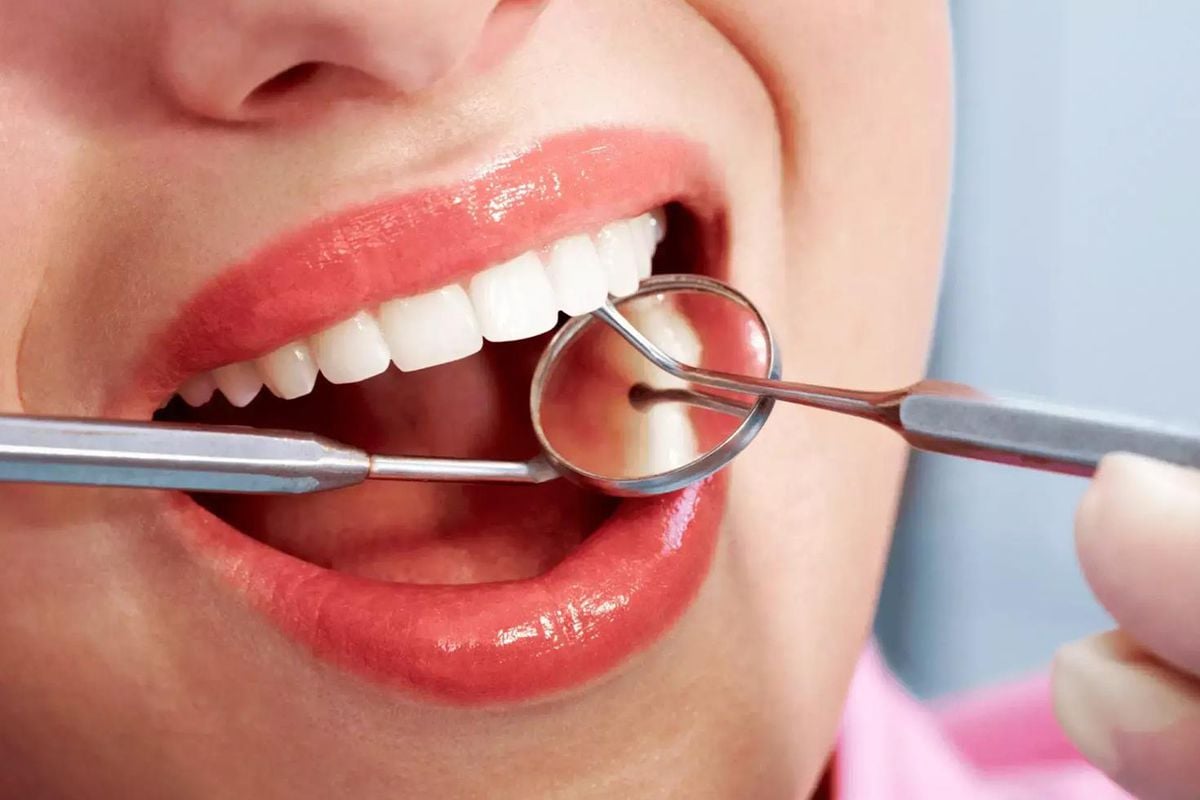
A drug showing potential to regrow teeth has entered human trials, according to researchers in Turkey. The medication, which targets a biological pathway involved in tooth development, is being tested for its ability to stimulate new enamel and dentin growth in patients with severe tooth decay. The study, led by a team at Istanbul University’s Dental School, marks a significant step in regenerative dentistry, though experts caution the results remain preliminary.
What the Study Found
The clinical trial, initiated in April 2024, involves 45 participants with advanced caries affecting multiple teeth. Researchers applied a topical gel containing a synthetic form of a protein called BMP-7, which has been shown in animal studies to activate stem cells in the dental pulp. After six months, 12 participants demonstrated measurable regrowth of dentin, the hard tissue beneath enamel, according to a press release from the university. No adverse effects were reported during the trial period.

“This is the first time we’ve observed natural tooth tissue regeneration in humans using a pharmacological approach,” said Dr. Selin Aydin, the study’s lead researcher. “While the sample size is small, the results suggest a new direction for treating irreversible tooth damage.”
How the Treatment Works
The drug works by reactivating dormant stem cells in the dental pulp, the soft inner layer of teeth. These cells, typically inactive in adults, can differentiate into enamel-producing ameloblasts or dentin-forming odontoblasts under specific biochemical signals. The BMP-7 gel is designed to mimic the natural signaling cascade that occurs during tooth development in childhood.
Previous studies in rodents showed that BMP-7 injections could regrow entire teeth, but human trials have been limited due to ethical and practical challenges. This trial uses a non-invasive topical formulation, avoiding the need for surgical intervention.
Limitations and Unanswered Questions
Researchers acknowledge several limitations. The study lacks a control group, making it difficult to determine whether the observed regrowth occurred independently of natural healing processes. Additionally, the follow-up period is short, and long-term efficacy remains untested. The sample size is also too small to draw definitive conclusions about the drug’s effectiveness across different patient populations.

“We need to replicate these findings in larger, randomized trials before making any claims about clinical viability,” said Dr. Mehmet Karaca, a dental researcher at Hacettepe University who was not involved in the study. “This is an exciting development, but we’re still in the early stages of understanding its full potential.”
What’s Next
The research team plans to expand the trial to 150 participants in 2025, with a focus on patients who have lost teeth due to trauma or disease. They also aim to investigate whether the treatment can be combined with existing regenerative techniques, such as 3D-printed dental scaffolds. Regulatory approval for broader use would require additional safety and efficacy data, which could take several years to collect.
Public health experts emphasized that the treatment is not a substitute for preventive care. “Even if this drug proves effective, maintaining good oral hygiene and regular dental checkups will remain critical,” said Dr. Zeynep Demir, a spokesperson for the Turkish Dental Association.
