
Tip Toe Explained: Why Fans are at ‘Breaking Point’ After ‘One of the Most Horrific Things Ever’
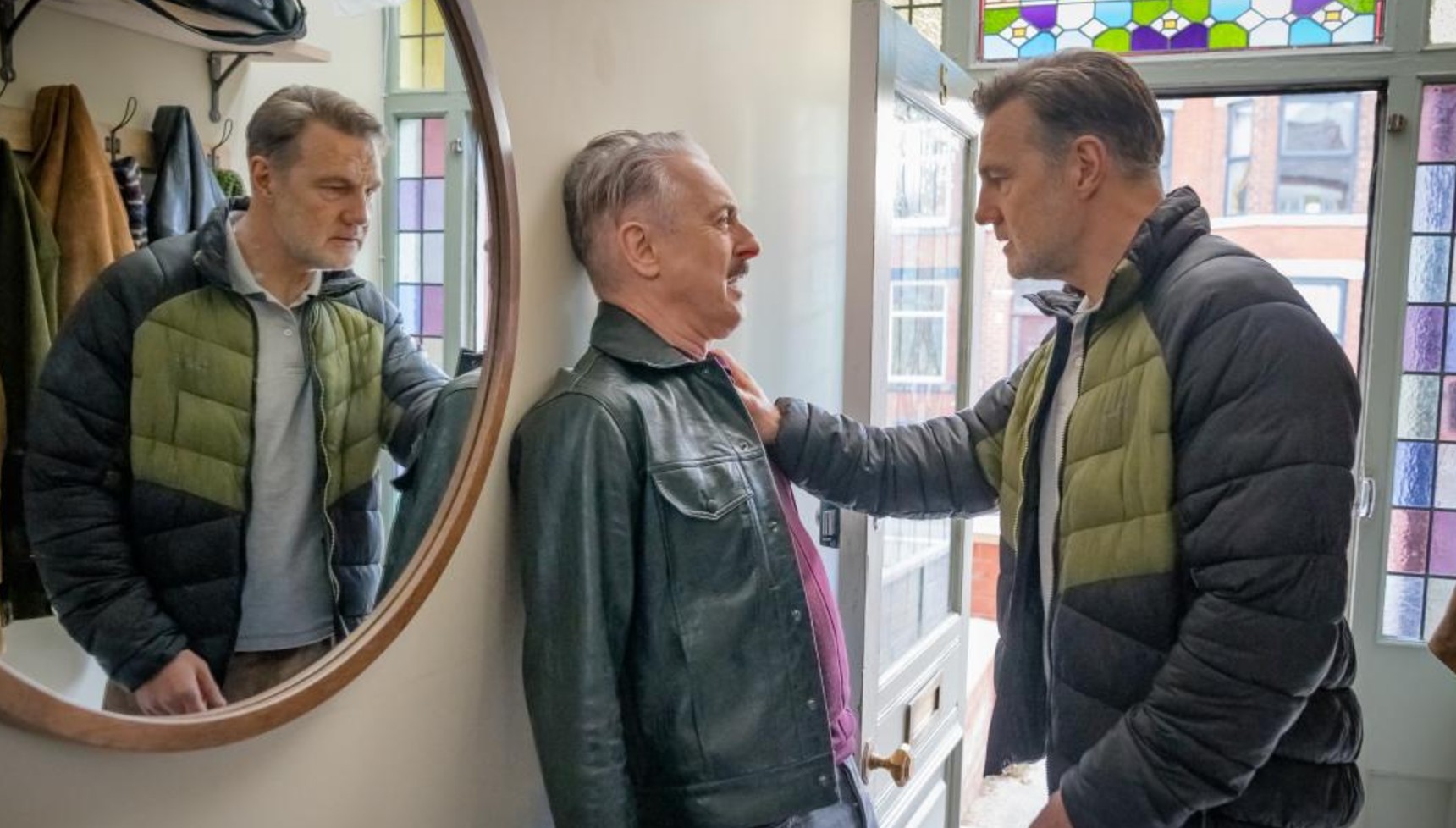
Fans of the series Tip Toe are reporting emotional distress following a finale described as “one of the most horrific things ever,” according to the Daily Express. The production, which actor Alan Cumming described as “magical” during filming on Canal Street (BBC), has sparked intense debate over its realism and the devastating revelations found in its end credit cards (Digital Spy).
What is Tip Toe and why are fans reacting this way?
Tip Toe has emerged as a polarizing piece of media, characterized by a narrative that pushes viewers to their emotional limits. According to the Daily Express, the audience reaction has reached a “breaking point,” specifically in response to plot developments termed “one of the most horrific things ever.” This reaction stems from the show’s willingness to depict traumatic events with a level of intensity that has left viewers shaken.
Voice Magazine describes the series as “this year’s most terrifying and sadly relevant piece of media.” The publication suggests that the horror of the show is not merely for shock value but is rooted in a “sadly relevant” social or cultural context. This indicates that the “horrific” elements cited by fans are likely mirrors of real-world atrocities or systemic failures, which amplifies the emotional impact on the audience.
The tension in the viewer experience appears to come from the contrast between the show’s aesthetic and its content. While the plot is described as terrifying, the production process involved elements of beauty and community, creating a jarring dichotomy for those following the story.
Is Tip Toe based on a true story?
A primary point of contention and curiosity among viewers is whether the events depicted in Tip Toe actually occurred. Digital Spy reports that the answer is found within the “devastating final episode’s end credit cards.”
In modern television, end credit cards are frequently used to bridge the gap between fiction and reality. By providing factual updates or historical citations after the narrative concludes, creators can shift the viewer’s perspective from entertainment to education or mourning. According to Digital Spy, these credit cards in Tip Toe provide the necessary explanation regarding the show’s origins, confirming the extent to which the story is grounded in real-life events.
The “devastating” nature of these credits suggests that the fictional horror of the series is validated by real-world tragedy. This revelation often transforms a viewer’s experience from one of suspense to one of grief, contributing to the “breaking point” described by the Daily Express.
The role of Canal Street and Alan Cumming in the production
The setting of Tip Toe plays a critical role in its thematic weight. The BBC reports that filming took place on Canal Street, a location with deep historical and cultural significance, particularly within the LGBTQ+ community. Alan Cumming, involved in the production, described the experience of filming on Canal Street as “magical.”
The use of Canal Street as a backdrop provides a concrete sense of place that anchors the story. When a “magical” location is paired with a “horrific” narrative, it often serves to highlight the vulnerability of safe spaces. The contrast between Cumming’s description of the filming process and the final product’s “terrifying” nature suggests a narrative arc that moves from hope or community to devastation.
Key production details identified from the reports include:
- Primary Location: Canal Street (reported by BBC).
- Key Talent: Alan Cumming (reported by BBC).
- Thematic Tone: A mix of “magical” production and “terrifying” content (BBC and Voice Magazine).
Why the series is described as ‘sadly relevant’
Voice Magazine’s characterization of Tip Toe as “sadly relevant” suggests that the horror depicted is not supernatural or imagined, but sociological. When media is described as “relevant” in the context of terror, it typically refers to issues such as:
- Hate crimes or targeted violence.
- The failure of institutional protections.
- The fragility of marginalized communities.
- The long-term psychological impact of systemic trauma.
Because the show was filmed in a known cultural hub like Canal Street, the relevance likely ties back to the real-world dangers faced by the people who inhabit such spaces. This connection transforms the viewing experience from a passive consumption of a thriller into a confrontation with current societal issues.
| Source | Characterization of Tip Toe | Core Focus |
|---|---|---|
| Daily Express | “Horrific” / “Breaking point” | Audience emotional distress |
| Voice Magazine | “Terrifying” / “Sadly relevant” | Societal and cultural impact |
| BBC | “Magical” (Filming process) | Location and production atmosphere |
| Digital Spy | “Devastating” (Ending) | Factuality and end credit revelations |
Comparing the critical and fan perspectives
There is a distinct difference in how Tip Toe is being framed by critics versus the general audience. The Daily Express focuses on the visceral, emotional reaction of the “fans,” emphasizing the “breaking point” and the “horrific” nature of the content. This framing highlights the shock value and the immediate psychological toll on the viewer.
In contrast, Voice Magazine takes a more analytical approach, framing the terror as a tool for relevance. Where fans see a “horrific” event, critics see a “terrifying” reflection of reality. This suggests that while the audience is reacting to the what (the events of the plot), critics are focusing on the why (the social commentary).
Furthermore, the BBC’s reporting on the “magical” filming process provides a third layer. It reminds the audience that behind the devastating final product was a creative process that celebrated its location. This creates a tripartite view of the show: the beauty of its creation, the horror of its plot, and the devastation of its real-world basis.
“This year’s most terrifying and sadly relevant piece of media.” — Voice Magazine
Common misconceptions about the plot
Due to the intense reactions reported by the Daily Express, some viewers may mistake Tip Toe for a standard horror or slasher series. However, the evidence from other sources suggests a more complex structure.
One common misconception is that the show is purely fictional. As Digital Spy clarifies, the end credit cards provide essential context that corrects this assumption. The “devastation” mentioned by Digital Spy implies that the show functions as a dramatization of actual events, meaning the “horror” is not a product of imagination but a record of reality.
Another misconception may be that the show is entirely bleak. The BBC’s mention of the “magical” atmosphere during filming on Canal Street suggests that the series contains elements of beauty, community, and light, which likely serve to make the eventual “horrific” turn more impactful.
The impact of the ‘true story’ revelation
The revelation that a story is based on true events—especially when delivered via end credit cards—fundamentally changes the viewer’s relationship with the media. In the case of Tip Toe, this transition occurs at the most vulnerable moment: the end of the series.
According to Digital Spy, these credits are “devastating.” This is because they remove the safety net of fiction. When a viewer realizes that the “horrific” things they witnessed actually happened to real people, the emotional response shifts from empathy for a character to a sense of injustice regarding a real person. This is likely a primary driver of the “breaking point” reported by the Daily Express.
This technique is often used in “prestige” dramas to ensure the audience does not simply move on after the credits roll, but instead reflects on the real-world implications of the story. By grounding the narrative in the reality of Canal Street, the creators force a connection between the screen and the street.
FAQs about Tip Toe
What makes Tip Toe so horrific for fans?
According to the Daily Express, fans have reached a “breaking point” due to events described as “one of the most horrific things ever.” Voice Magazine adds that the series is “terrifying” and “sadly relevant,” suggesting the horror is derived from real-world social issues.
Is Tip Toe based on a true story?
Digital Spy indicates that this is explained in the end credit cards of the final episode. These credits are described as “devastating,” implying that the series is based on real events.
Where was Tip Toe filmed?
The BBC reports that filming took place on Canal Street, with actor Alan Cumming describing the experience of filming in that location as “magical.”
Why is the show called ‘sadly relevant’?
Voice Magazine uses this term to suggest that the terrifying elements of the plot reflect actual current events or societal dangers, making the show a commentary on real-life struggles rather than just a fictional thriller.
How should viewers prepare for the finale?
Given the reports from the Daily Express and Digital Spy regarding the “breaking point” and “devastating” end credits, viewers should be aware that the finale contains high-intensity emotional content and revelations regarding the story’s factual basis.
For those interested in how urban settings influence storytelling, a related explainer on cinematic location scouting may provide more context on why places like Canal Street are chosen for high-impact dramas.
