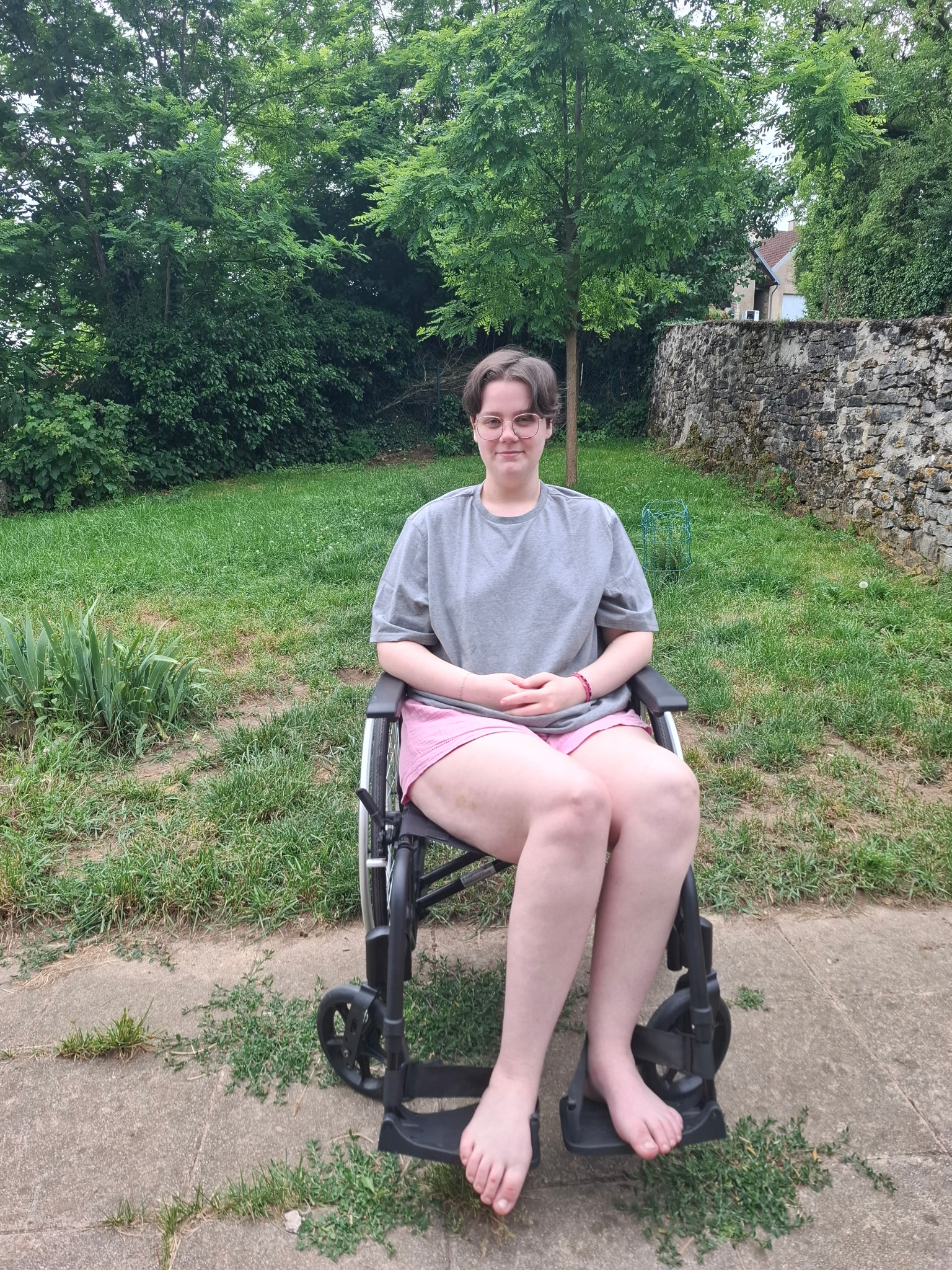
A 21-year-old Canadian woman’s battle with Lyme disease has exposed critical gaps in diagnosis and treatment, as her symptoms—misattributed to stress and anxiety—went unrecognized for years, according to public health advocates.
Tiffany, whose name has been changed to protect her privacy, spent nearly a decade fighting debilitating fatigue, joint pain, and neurological symptoms before a specialist finally diagnosed her with late-stage Lyme disease in 2023. Her case highlights how the illness often mimics other conditions, delaying treatment and worsening outcomes, said Dr. Elena Vasquez, an infectious disease specialist at Toronto General Hospital.
Why Lyme Disease Is Harder to Diagnose Than Many Realize
Lyme disease, caused by the bacterium Borrelia burgdorferi and transmitted through tick bites, remains underdiagnosed in Canada, with an estimated 14,000 new cases annually—though experts believe the true number may be higher due to reporting lags. The disease progresses in stages: early symptoms like fever and rash can resolve without treatment, but if left untreated, it can lead to chronic arthritis, neurological damage, and heart complications.

Tiffany’s story mirrors a growing body of evidence. A 2022 study in the Canadian Medical Association Journal found that 30% of Lyme cases in Ontario were initially misdiagnosed, often as fibromyalgia, depression, or multiple sclerosis. “Patients like Tiffany are caught in a diagnostic limbo,” said Vasquez. “By the time they’re correctly identified, the infection may have caused irreversible damage.”
How a Delayed Diagnosis Changed Her Life
For Tiffany, the turning point came after years of doctor visits, where she was told her symptoms were psychological. “I was told, ‘It’s not Lyme—it’s in your head,’” she recalled in a recent interview. “I almost gave up hope.” Her breakthrough came when a private specialist ordered advanced blood tests, revealing high antibody levels consistent with late-stage infection.
Treatment with a prolonged course of antibiotics—combined with physical therapy—has since improved her mobility, though she still faces lingering neurological effects. Her case underscores the urgency of better diagnostic tools, said Dr. Mark Thompson, a public health physician with Ontario’s Lyme Disease Advisory Committee. “We need faster, more accurate tests to prevent years of suffering,” he said.
What Health Officials Are Doing—And What’s Still Missing
Public health authorities in Ontario have expanded Lyme disease surveillance, including mandatory reporting of suspected cases in high-risk regions like the Greater Toronto Area and Muskoka. However, critics argue progress remains slow. The province’s health ministry acknowledged in a 2023 report that diagnostic delays persist due to limited access to specialized testing and physician awareness.

Meanwhile, patient advocacy groups are pushing for broader insurance coverage of advanced diagnostic panels, which can cost up to $500 per test—a barrier for many Canadians. “The system fails patients when they can’t afford the tests that could save them,” said Jane Whitaker, executive director of the Canadian Lyme Disease Foundation.
What’s Next for Patients and Policy
Ontario’s health ministry has pledged to review diagnostic guidelines by mid-2025, with a focus on integrating newer serological tests that detect early-stage infections. In the interim, experts urge anyone with persistent symptoms—especially after a tick bite—to seek a second opinion from a Lyme-literate doctor.
For Tiffany, the fight continues. “I don’t want other people to go through what I did,” she said. “If doctors had listened sooner, I might not be in this position.”
