
Three Indian sailors killed in US strike on oil tanker – BBC
Three Indian sailors died after a U.S. military strike hit an oil tanker off the coast of Oman, according to reports from the BBC. The incident has led the Indian government to summon the U.S. envoy and formally oppose attacks on merchant shipping during a session of the United Nations Security Council.
What happened during the strike off the coast of Oman?
A U.S. military operation targeting a vessel off the coast of Oman resulted in the deaths of three Indian crew members aboard an oil tanker. According to a marine monitoring agency cited by Arab News PK, the strike triggered a significant fire on the tanker. The vessel was operating in the volatile waters of the West Asia region, a zone currently marked by heightened military activity and geopolitical friction.
The BBC reports that the casualties were exclusively Indian nationals. While the U.S. military has conducted various strikes in the region to counter threats to maritime security, the collateral impact on civilian merchant sailors has sparked a diplomatic crisis. The strike occurred in a region where the line between military targets and commercial shipping often blurs due to the proximity of naval assets to primary trade routes.
Key details of the incident include:
- Location: Off the coast of Oman, near strategic shipping lanes.
- Casualties: Three Indian sailors confirmed dead.
- Vessel Type: Oil tanker.
- Immediate Effect: Vessel fire reported by marine monitoring agencies.
Why did India summon the US envoy?
The Indian government summoned the U.S. envoy to express its grave concern and demand accountability for the deaths of its citizens. According to Al Jazeera, the summons serves as a formal diplomatic protest. India seeks a detailed explanation regarding the intelligence used to justify the strike and why a merchant vessel carrying Indian nationals was targeted or caught in the crossfire.
This diplomatic move signals that New Delhi views the loss of life not as an unavoidable accident of war, but as a breach of the safety protocols expected for neutral merchant shipping. The summons of a foreign envoy is a significant escalation in diplomatic signaling, moving the issue from private communication to a recorded official grievance.
India has made it clear that the safety of its seafarers is a non-negotiable priority, especially when operating in contested waters.
How is India addressing this at the UN Security Council?
India has taken the issue to the global stage, utilizing the United Nations Security Council (UNSC) to voice its opposition to the targeting of commercial vessels. As reported by The New Indian Express, India told the UNSC that it is firmly opposed to attacks on merchant shipping amid the ongoing West Asia conflict.
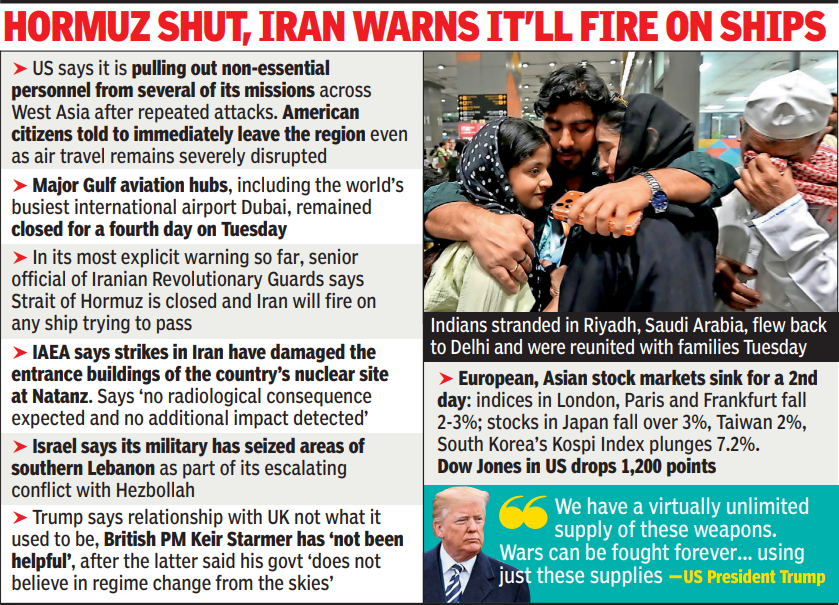
The Indian delegation emphasized that merchant ships, which carry essential energy and food supplies, must be exempt from military targeting regardless of the geopolitical climate. By framing the issue at the UNSC, India is attempting to establish a broader international norm that protects civilian crews from becoming collateral damage in regional power struggles.
The core arguments presented by India at the UN include:
- The illegality of targeting non-combatant merchant vessels under international maritime law.
- The disproportionate risk placed on third-country nationals (like Indian sailors) who are employed by global shipping firms.
- A call for all belligerents in the West Asia conflict to ensure the safety of commercial corridors.
What is the broader context of the West Asia conflict and shipping risks?
The strike occurs against a backdrop of extreme instability in the waters surrounding the Arabian Peninsula and the Strait of Hormuz. Firstpost reports that the region has seen a surge in “missing Indians” and disruptions to shipping, including threats of Hormuz closure. The Strait of Hormuz is one of the world’s most critical chokepoints for oil transit, making any military action in the vicinity a high-risk event for global energy markets.
The U.S. has maintained a military presence in the region to ensure “freedom of navigation” and to deter attacks by regional proxies. However, the incident involving the oil tanker highlights the danger that civilian crews face when operating in “gray zone” warfare, where the distinction between legitimate military targets and commercial ships is often contested or misidentified.
| Stakeholder | Position/Impact | Primary Concern |
|---|---|---|
| India | Diplomatic Protest | Protection of citizens and merchant shipping safety. |
| United States | Military Operation | Regional security and deterrence of threats. |
| Oman | Territorial Proximity | Stability of coastal waters and trade routes. |
| Shipping Industry | Operational Risk | Increased insurance premiums and crew safety. |
What are the implications for Indian seafarers?
India provides a massive percentage of the global workforce for the merchant navy. The death of three sailors in a U.S. strike underscores the vulnerability of these workers. Most Indian sailors are employed by foreign ship-owners and operate under “flags of convenience,” which can sometimes complicate the legal protections available to them when a vessel is attacked.
The incident is likely to lead to increased demands for better security protocols and higher hazard pay for crews sailing through the Arabian Sea and the Gulf of Oman. There is also a growing conversation regarding the “duty of care” that shipping companies owe to their employees when routing vessels through known conflict zones.
Potential long-term consequences include:
- Rerouting: Shipping companies may avoid certain corridors off the Oman coast to mitigate risk.
- Insurance Hikes: War-risk insurance premiums for tankers in the region are expected to rise.
- Diplomatic Friction: A cooling of maritime cooperation between New Delhi and Washington if a satisfactory explanation is not provided.
Comparing the reporting: Differing perspectives on the strike
Analysis of the available reports shows a variance in how the event is framed. The BBC focuses on the human cost, centering the narrative on the three Indian sailors killed. In contrast, Arab News PK emphasizes the technical aspect of the event, reporting on the “tanker fire” via marine monitoring data, which provides a more clinical view of the physical destruction.
Al Jazeera and The New Indian Express shift the focus toward the geopolitical fallout. Al Jazeera highlights the specific diplomatic action—the summoning of the envoy—while The New Indian Express elevates the story to a matter of international law and UN policy. This suggests that while the event was a tactical military strike, its primary significance has become diplomatic and legal.
This contrast reveals a critical tension: the U.S. likely views the strike as a necessary security measure, while India views it as an unacceptable loss of civilian life. The gap between “security necessity” and “civilian safety” is where the current diplomatic conflict resides.
Common Misconceptions Regarding Maritime Strikes
One common misconception is that merchant ships are automatically “safe” because they are not military vessels. In reality, if a merchant ship is suspected of carrying contraband for a sanctioned entity or is mistaken for a military auxiliary vessel, it can become a target. Another misconception is that the ship’s flag (the country where the ship is registered) determines who is protected. As seen in this case, the nationality of the crew (Indian) is often the primary driver of the diplomatic response, regardless of the ship’s registry.
For more information on the legal protections of crews, see a related explainer on maritime law and civilian protections.
Frequently Asked Questions
Who was responsible for the strike on the oil tanker?
According to reports from the BBC and other outlets, the strike was carried out by the United States military as part of operations in the West Asia region.
How many Indian sailors were killed?
Three Indian sailors were confirmed dead following the strike, which also caused a fire on the vessel off the coast of Oman.
What action has the Indian government taken?
India has summoned the U.S. envoy to demand answers and has formally expressed its opposition to attacks on merchant shipping at the United Nations Security Council.
Where exactly did the attack take place?
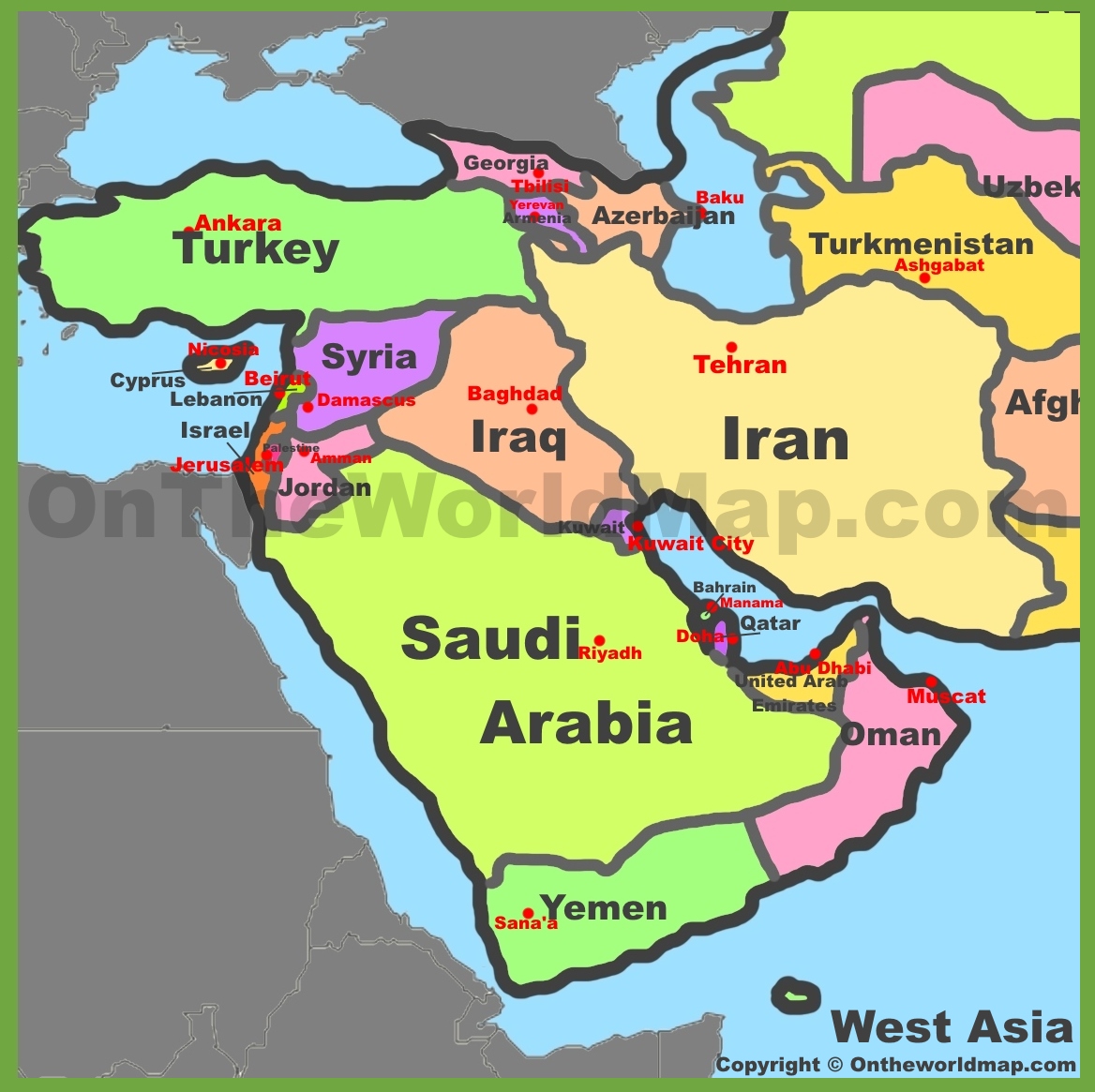
The attack occurred off the coast of Oman, in a region critical for oil transit and near the strategic Strait of Hormuz.
Is this part of a larger conflict?
Yes, the incident is situated within the broader West Asia conflict, where the U.S. and various regional actors are engaged in military operations to secure shipping lanes and deter threats.
The situation remains fluid as India awaits a formal response from the United States and continues to push for the protection of merchant vessels at the international level. The focus now shifts to whether the U.S. will offer an apology or compensation, and how this will impact the safety of the thousands of Indian seafarers currently operating in the region.
