
The clothes that make the man: Irish designer Simone Rocha unleashes romantic menswear revolution in Florence – Irish Independent
Irish designer Simone Rocha debuted her first dedicated menswear collection in Florence, Italy, introducing a stylistic shift characterized by romanticism and delicate detailing. According to reports from the Irish Independent and EVOKE, the showcase marks a “romantic menswear revolution,” blending the designer’s signature feminine aesthetics with traditional masculine silhouettes to challenge conventional gender norms in luxury fashion.
What happened at Simone Rocha’s menswear debut in Florence?
Simone Rocha transitioned her design language from womenswear to a full-scale menswear presentation during a high-profile event in Florence. The collection, described by the Irish Independent as a “romantic menswear revolution,” focuses on the integration of soft textures, intricate embellishments, and voluminous shapes—elements traditionally reserved for women’s couture—into the male wardrobe.
The event served as the formal unveiling of Rocha’s vision for the modern man. According to EVOKE, the show highlighted “romantic touches” that distinguish the line from standard contemporary menswear. Rather than adhering to the rigid structures of classic tailoring, the collection emphasizes emotional expression through fabric and form.
Key elements of the Florence presentation included:
- The use of lace and sheer fabrics in masculine contexts.
- The incorporation of pearls and decorative beadwork.
- A departure from restrictive tailoring in favor of fluid, romantic silhouettes.
- A color palette that mirrors the ethereal quality of Rocha’s established womenswear.
How does Simone Rocha define “romantic menswear”?
For Simone Rocha, romanticism in menswear is not merely about the addition of decorative elements but a fundamental restructuring of how masculine clothing is perceived. The “romantic touches” noted by EVOKE refer to a design philosophy that prioritizes softness, vulnerability, and ornamental beauty over the traditional markers of strength and utility associated with men’s clothing.
The collection utilizes materials that contrast with the typical expectations of menswear. While traditional luxury menswear often relies on heavy wools, stiff linens, and structured leathers, Rocha introduces textiles that offer movement and transparency. This approach creates a dialogue between the wearer and the garment, moving the focus from “protection” or “status” to “expression” and “emotion.”
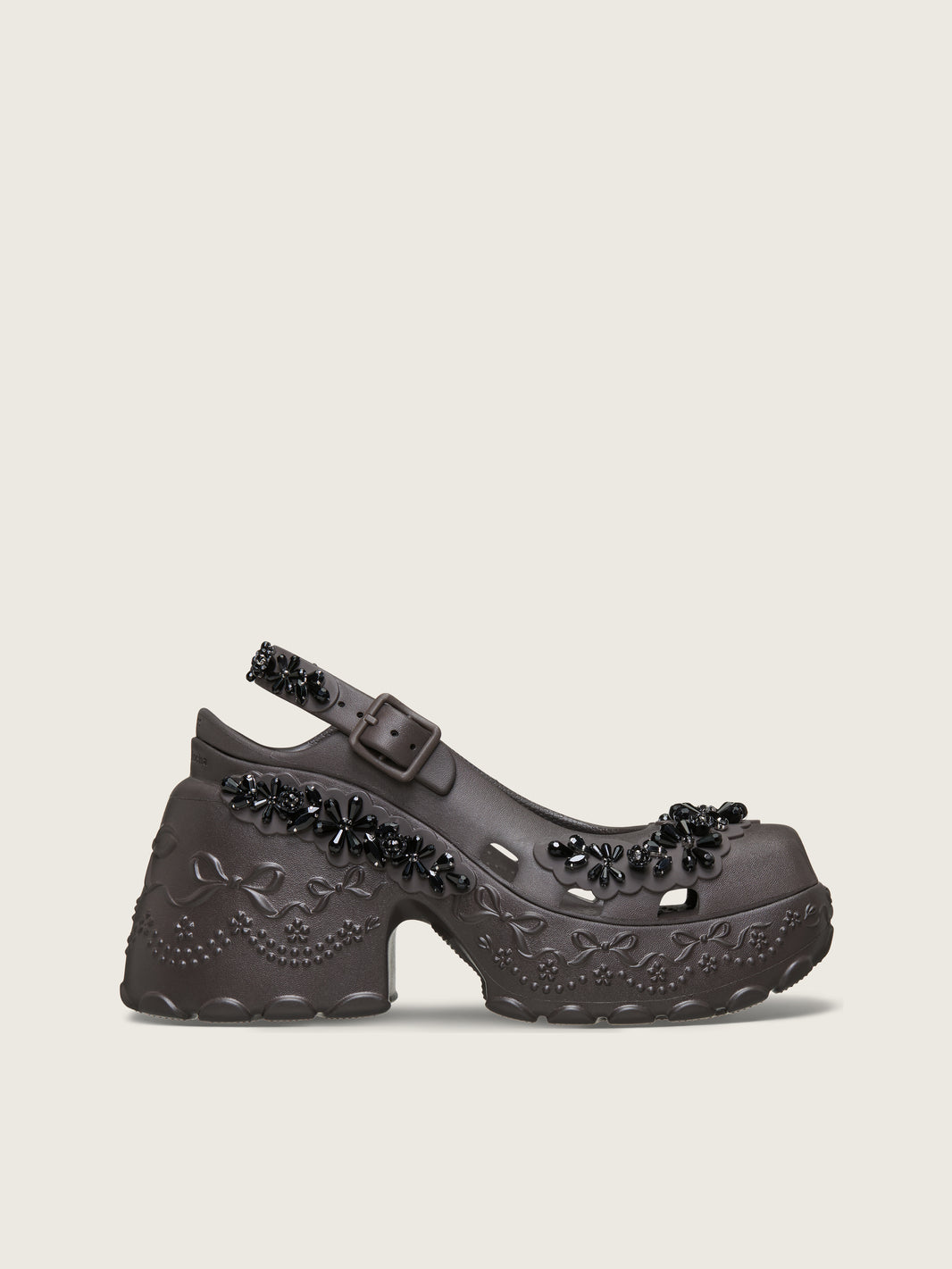
The shift toward romanticism in menswear represents a broader industry move toward gender-fluidity, where the boundaries between masculine and feminine attire are increasingly blurred.
To understand the specific nature of this “revolution,” it is helpful to compare Rocha’s approach with traditional menswear standards:
| Feature | Traditional Menswear | Rocha’s Romantic Menswear |
|---|---|---|
| Primary Silhouettes | Structured, angular, form-fitting | Fluid, voluminous, draped |
| Common Materials | Wool, tweed, heavy cotton | Lace, silk, sheer organza |
| Embellishments | Minimal (buttons, pocket squares) | Pearls, intricate embroidery, bows |
| Emotional Tone | Authority, professionalism, utility | Vulnerability, romanticism, artfulness |
Why was Florence chosen for this menswear revolution?
The selection of Florence as the backdrop for the debut is a strategic move that aligns the collection with the city’s historical identity. Florence is the birthplace of the Renaissance, a period defined by a rebirth of art, humanism, and a sophisticated approach to beauty and dress. By launching her menswear line here, Rocha anchors her “romantic revolution” in a location known for its legacy of craftsmanship and artistic boundary-pushing.
Florence’s association with high-quality leatherwork and textile production provides a necessary contrast to the softness of Rocha’s designs. The juxtaposition of the city’s rugged, architectural history with the delicate nature of the clothing reinforces the theme of the collection: the coexistence of strength and softness.
Industry analysts suggest that choosing a city outside the traditional “Big Four” fashion capitals (New York, London, Milan, Paris) for a specific debut allows a designer to control the narrative more effectively, removing the noise of a standard fashion week to focus on the conceptual weight of the work.
Who is Simone Rocha and why does this move matter?
Simone Rocha is an Irish designer who has built a global reputation for a distinct aesthetic that blends modesty, femininity, and a subversive approach to romanticism. Her work is frequently characterized by the use of pearls, oversized bows, and voluminous skirts, often drawing inspiration from her heritage and a fascination with the interplay between the sacred and the profane.
The expansion into menswear is a significant milestone for several reasons:
The evolution of the brand identity
By applying her specific visual vocabulary to menswear, Rocha is testing the universality of her aesthetic. The move demonstrates that “the Rocha look” is not tied to a specific gender but is instead a philosophy of dress. This transition allows the brand to capture a wider market of consumers who are increasingly uninterested in gender-binary clothing.

The challenge to masculine norms
The “romantic menswear revolution” mentioned by the Irish Independent is a direct challenge to the “Great Masculine Renunciation” of the 18th century, when men abandoned ornate dress in favor of the sober, dark suits that still dominate business attire today. Rocha is effectively reversing this trend, reintroducing ornament and emotion into the male wardrobe.
Economic and market expansion
The luxury menswear market has seen a surge in demand for “statement pieces” and avant-garde designs. By offering a romantic alternative to the current trend of “quiet luxury” (minimalist, logo-free high-end clothing), Rocha positions herself as a leader in a new niche: the expressive, romantic male consumer.
What are the broader implications for the fashion industry?
The debut of Simone Rocha’s menswear in Florence is not an isolated event but part of a larger trajectory in global fashion. The industry is currently witnessing a shift where the “feminization” of menswear is no longer viewed as a novelty or a runway stunt, but as a viable commercial category.
This trend is supported by several factors:
- Gen Z Influence: Younger consumers prioritize self-expression over traditional gender roles, driving demand for fluid silhouettes.
- Celebrity Endorsement: High-profile figures in music and film have normalized the wearing of pearls, lace, and skirts by men.
- Cultural Shifts: A broader societal move toward redefining masculinity to include emotional openness and vulnerability.
Rocha’s contribution to this movement is the introduction of a high-fashion, curated romanticism. Unlike streetwear-based gender fluidity, which often focuses on oversized proportions, Rocha’s approach is rooted in couture-level detail and historical reference. This elevates the conversation from “unisex clothing” to “romantic masculine art.”
For further context on how this fits into the wider luxury landscape, readers may find a related explainer on the rise of gender-fluid luxury fashion useful.
Common misconceptions about romantic menswear
As Simone Rocha’s collection gains attention, several misconceptions about “romantic” or “feminine” menswear often emerge. It is important to distinguish between these myths and the reality of the design philosophy.
Misconception: Romantic menswear is simply “womenswear for men.”
In reality, Rocha’s menswear is designed with the male anatomy in mind, adjusting proportions and structure to ensure the garments are distinct from her womenswear. The goal is not to make men look like women, but to expand the definition of what is masculine.
Misconception: These clothes are only for the runway and not for real-world wear.
While the Florence show featured avant-garde pieces, the “revolution” includes wearable elements—such as pearl-embellished knitwear or lace-trimmed shirts—that can be integrated into a contemporary wardrobe as accent pieces.
Misconception: Romanticism in fashion is a fleeting trend.
Historical analysis shows that menswear has cycled through periods of extreme ornament (such as the Baroque and Rococo eras). Rocha’s work is less a “trend” and more a return to a historical precedent where men’s clothing was a primary vehicle for artistic expression.
Frequently Asked Questions
What is the main focus of Simone Rocha’s menswear collection?
The collection focuses on “romanticism,” incorporating delicate fabrics like lace and sheer materials, along with embellishments such as pearls, to challenge traditional masculine dress codes. According to the Irish Independent, it represents a “romantic menswear revolution.”
Where did the menswear debut take place?
The debut show took place in Florence, Italy, a city chosen for its deep ties to the Renaissance and its history of artistic and textile excellence.

How does this differ from typical unisex clothing?
Unlike many unisex lines that rely on oversized, gender-neutral shapes (like hoodies or wide-leg trousers), Simone Rocha’s menswear specifically uses “romantic touches”—such as embroidery and fluid silhouettes—to consciously blend feminine aesthetics with masculine forms.
Is Simone Rocha’s menswear available for general purchase?
While the Florence show served as the conceptual unveiling, the pieces are typically released through luxury boutiques and the designer’s official channels, following the standard luxury fashion cycle.
What materials are prominent in the collection?
According to reports from EVOKE and the Irish Independent, the collection prominently features lace, pearls, and other soft, romantic textiles that contrast with traditional menswear fabrics.
The emergence of this collection suggests a future where the “clothes that make the man” are no longer defined by rigidity and restraint, but by a willingness to embrace ornament and emotion. As the industry continues to evolve, the Florence debut stands as a benchmark for the integration of high-romanticism into the masculine identity.
