
Coronas’ Limerick concert called off following medical emergency – The Irish Times
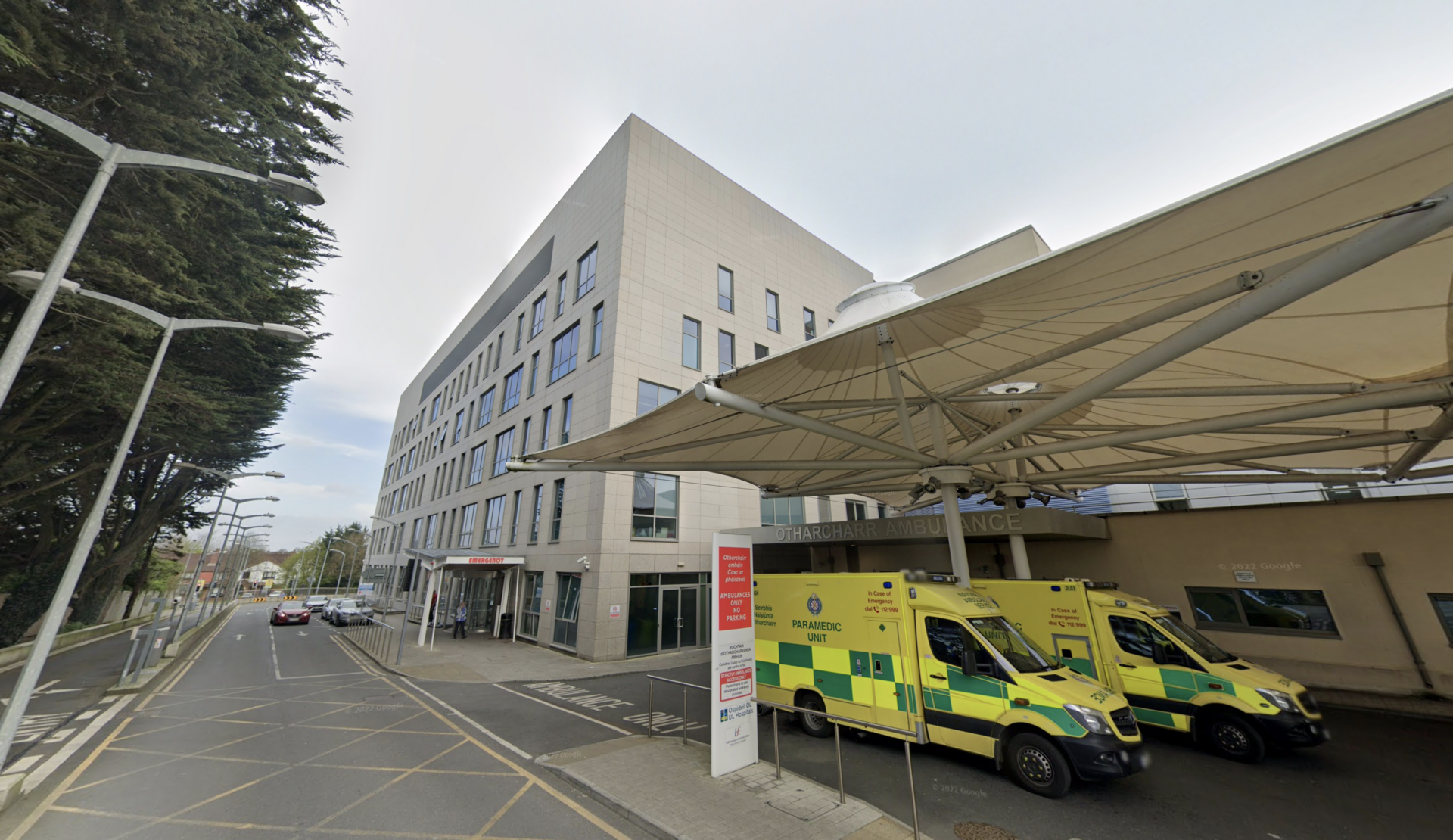
The music community and fans in Limerick have been left in a state of disappointment and concern following the sudden announcement that the highly anticipated performance by The Coronas has been cancelled. The decision to call off the event came abruptly, cited as the result of a medical emergency. While the specific details regarding the nature of the emergency remain private, the impact of the cancellation is felt across the city, highlighting the precarious nature of live touring and the vulnerabilities inherent in the performing arts.
For a band of The Coronas’ stature, whose presence in the Irish music scene is both influential and enduring, a cancellation of this magnitude is rarely a light decision. The intersection of professional obligations and personal health often creates a tension that artists must navigate, and in this instance, the priority has shifted decisively toward medical recovery. This event serves as a stark reminder that behind the spectacle of the stage, the artists are subject to the same physical and mental pressures as any other professional, often exacerbated by the grueling demands of a touring schedule.
Understanding the Immediate Impact of the Cancellation
When a major concert is called off, the ripple effect extends far beyond the band and the immediate organizers. The announcement that the Coronas’ Limerick concert was called off following a medical emergency triggered an immediate logistical scramble for venue staff, security personnel, and, most significantly, the ticket holders who had traveled from across the region to witness the show.
The emotional toll on fans is often underestimated. For many, a concert is not merely an evening of entertainment but a planned emotional experience, often involving travel, accommodation, and significant anticipation. The sudden void left by a cancellation can lead to a mix of frustration and genuine worry for the well-being of the performers. However, the overarching sentiment in the wake of this specific announcement has been one of empathy, as the community recognizes that health must take precedence over performance.
Logistical Challenges for Venue and Staff
From an operational standpoint, cancelling a show at the last minute is a complex undertaking. Venues must manage the flow of arriving crowds, communicate the news effectively to prevent chaos at the gates, and coordinate with vendors who have already prepared for a full house. The sudden shift from “event mode” to “cancellation mode” requires a high level of crisis management to ensure that the public remains informed and safe.
- Crowd Management: Ensuring that fans arriving at the venue are notified quickly to avoid congestion.
- Staffing Adjustments: Managing the contracts and schedules of temporary event staff and security.
- Communication Channels: Utilizing social media, email, and on-site signage to disseminate the news of the medical emergency.
The Physical and Mental Toll of Modern Touring
The news that the Coronas’ Limerick concert was called off following a medical emergency opens a broader conversation about the sustainability of the modern touring cycle. While the glamour of the stage is what the public sees, the reality of life on the road is often a grueling marathon of sleep deprivation, constant travel, and high-pressure performances.
Artists are expected to maintain peak physical and vocal condition while navigating unpredictable environments. The stress of maintaining a high-energy stage presence, combined with the logistical strain of moving equipment and personnel between cities, can lead to a decline in the immune system and an increase in susceptibility to acute health crises. When a medical emergency strikes, It’s often the culmination of these accumulated pressures.
The demand for perfection in live performance often clashes with the biological reality of the human body, making health-related cancellations an inevitable, albeit regrettable, part of the industry.
Common Health Risks for Touring Musicians
While the specific emergency in this case has not been disclosed, the industry frequently sees a variety of health issues that can lead to sudden cancellations. These typically fall into several categories:
- Respiratory and Vocal Strain: For singers, the vocal folds are an instrument that can be damaged by overuse or sudden infection, making performance physically impossible.
- Acute Physical Illness: The constant exposure to different environments and crowds makes touring artists highly susceptible to viral infections.
- Mental Health and Burnout: The psychological weight of fame, coupled with the isolation of touring, can lead to episodes of severe anxiety or exhaustion that require immediate medical intervention.
- Unexpected Traumatic Injury: The physical nature of stage setups and travel can lead to accidents that render an artist unable to perform.
Navigating the Aftermath: Refunds and Rescheduling
Following the announcement that the Coronas’ Limerick concert was called off following a medical emergency, the primary concern for many fans shifts toward the practicalities of ticketing. In the modern music industry, the process for handling cancelled shows is governed by a combination of consumer protection laws and the specific terms and conditions of the ticketing agency.
Typically, when a show is cancelled due to a medical emergency, the promoter will pursue one of two paths: rescheduling the date or issuing full refunds. Rescheduling is often the preferred option for both the artist and the fans, as it preserves the opportunity for the event to happen. However, this requires the artist to be fully recovered and the venue to be available, which is not always a simple alignment of schedules.
| Option | Pros for Fans | Cons for Fans |
|---|---|---|
| Rescheduling | Still get to see the band; tickets usually remain valid. | New date may not fit the fan’s schedule; travel costs may double. |
| Full Refund | Immediate recovery of funds; financial flexibility. | Loss of the experience; may have to pay more for future tickets. |
The Role of Ticket Insurance
This incident highlights the growing importance of ticket insurance. Many fans now opt for optional insurance during the checkout process, which can cover non-refundable travel and hotel costs in the event of a cancellation. Without such insurance, the financial burden of a “called off” show often falls on the consumer, particularly those who have traveled from outside the immediate vicinity of Limerick.
The Cultural Significance of The Coronas in Ireland
To understand why the cancellation of a Limerick show is such a significant news item, one must look at the position The Coronas hold within the Irish musical landscape. They are not merely a popular band; they are a staple of the contemporary Irish sound, known for their ability to sell out arenas and connect deeply with a wide demographic of listeners.

Limerick, with its rich musical heritage and passionate fan base, represents a key stop for any major Irish act. The anticipation for a Coronas show in the city is usually immense, making the news of a medical emergency particularly jarring. The band’s relationship with their audience is built on a foundation of reliability and high-energy performance, which makes the sudden silence of a cancelled show feel like a significant loss to the local cultural calendar.
The reaction to the news—largely characterized by support and well-wishes—reflects the mutual respect between the band and their followers. In an era of digital detachment, the collective concern for an artist’s health demonstrates the enduring human connection that live music fosters.
The Impact on the Local Economy
Beyond the music, major concerts act as economic engines for the host city. A cancelled show doesn’t just affect the venue; it impacts local hotels, restaurants, and transport services. When thousands of people suddenly stop visiting a city center for a specific event, the immediate loss in revenue for compact businesses can be notable. This underscores the interdependence of the arts and the local economy.
Industry Standards for Emergency Cancellations
The decision to cancel a show based on a medical emergency is rarely made by the artist alone. It involves a complex chain of command including managers, tour doctors, promoters, and insurance underwriters. In the professional music industry, there are strict protocols to follow to ensure that the cancellation is handled legally and ethically.
Most major tours operate under “Force Majeure” clauses in their contracts. These clauses protect promoters and artists from breach-of-contract lawsuits when an event cannot take place due to circumstances beyond their control—such as a sudden, debilitating medical emergency. However, the burden of proof often lies with the artist’s team to provide medical certification that the performance was impossible.
The Ethics of “The Show Must Go On”
For decades, the prevailing ethos in entertainment was that “the show must go on,” regardless of the artist’s physical or mental state. This culture often led to performers playing through severe illness or injury, sometimes resulting in permanent health damage or subpar performances that disappointed the audience.
In recent years, there has been a paradigm shift toward “artist wellness.” There is now a greater understanding that canceling a show to prioritize health is not a failure of professionalism, but an act of responsibility. By calling off the Limerick concert, The Coronas and their management have aligned with this modern approach, recognizing that a recovered artist is better for the fans and the industry in the long run than a compromised one.
For those interested in how this fits into wider trends, a `related explainer on artist wellness in the music industry` would provide deeper insight into the systemic changes occurring in touring protocols.
Common Misconceptions About Concert Cancellations
When news breaks that a concert has been called off, several misconceptions often circulate among the public. Addressing these helps manage expectations and reduces frustration.
- “The band just didn’t want to play”: In reality, the financial loss associated with a cancellation—including potential insurance premiums and lost merchandise revenue—is so high that no professional band cancels a show without a critical reason.
- “Refunds are automatic and instant”: While refunds are eventually processed, the banking and ticketing systems often take several business days or even weeks to return funds to the original payment method.
- “A medical emergency always means something life-threatening”: While some emergencies are severe, others can be acute but manageable, such as a sudden loss of voice or a severe allergic reaction, which still make professional performance impossible.
Comparing Recent Trends in Live Event Stability
The cancellation of the Coronas’ Limerick show is not an isolated incident but part of a broader trend of instability in the live events sector. Over the last few years, the industry has seen an increase in tour cancellations and postponements. While some of Here’s due to the aforementioned health crises, other factors include the soaring cost of logistics and the increased intensity of tour schedules as artists try to recoup losses from previous years.
When compared to previous decades, today’s artists are under more pressure to be “always on,” maintaining a constant social media presence while simultaneously touring. This hybrid demand increases the likelihood of burnout and medical emergencies, making the decision to cancel a show a necessary safety valve for the performer’s longevity.
For a broader look at how the industry is adapting, one might look for a `related analysis on the economics of modern touring` to see how financial pressures impact scheduling and health.
FAQ: Coronas’ Limerick Concert Cancellation
Why was the Coronas’ Limerick concert cancelled?
The concert was called off due to a medical emergency. Specific details regarding the nature of the medical issue have not been publicly disclosed to protect the privacy of the individuals involved.
Will I get a refund for my ticket?
Generally, when a show is cancelled due to a medical emergency, ticket holders are entitled to a full refund or the option to use their tickets for a rescheduled date. Make sure to check the official communication from the ticket provider or the venue for specific instructions on how to claim your refund.
Is the concert being rescheduled?
Information regarding a new date is typically released after the medical situation has stabilized. Fans are encouraged to monitor the band’s official social media channels and the venue’s website for updates on a potential rescheduled performance in Limerick.
What should I do if I spent money on travel and hotels?
If you purchased ticket insurance, you may be able to claim reimbursement for non-refundable travel expenses. If not, you will need to contact your hotel or transport provider directly to see if they offer any flexibility or refunds given the circumstances.
How can I stay updated on the band’s health and future dates?
The most reliable sources for updates are the official website of The Coronas and their verified social media accounts. Avoid relying on third-party rumors or unverified reports during a medical emergency.
As the situation unfolds, the focus remains on the swift recovery of those affected. The music community in Limerick and across Ireland continues to wait for news of a return to the stage, understanding that the quality of the performance depends entirely on the health and well-being of the artists. The Coronas have a long history of delivering exceptional live experiences, and the patience of the fans today is a testament to the lasting bond between the band and their audience.
